61st Venice Biennale Residency (Rimini Protokoll)
Set within the context of the 61st Venice Biennale, the residency uses the city and the Giardini as a living studio for site specific creation.
About
rimini protokoll
DOCUMENTARY THEATRE · EVERYDAY EXPERTS · PARTICIPATION · TECHNOLOGY · SOCIAL INTERVENTION
Rimini Protokoll is a German theatre collective founded in 2000 by Helgard Haug, Stefan Kaegi, and Daniel Wetzel, who met while studying at the Institute for Applied Theatre Studies at the University of Giessen. The group creates documentary theatre pieces, interventions, scenic installations, and radio plays characterized by interactivity and playful use of technology, pioneering what has become known as “new documentary theatre”.
Widely regarded as one of the most innovative companies in European theatre over the past two decades, Rimini Protokoll works exclusively with “everyday experts” — real people with unique life experiences rather than professional actors, including Tourette’s patients, immigrants, truckers, police officers, and other non-theatre practitioners. Their productions challenge conventional notions of theatre by bringing authentic voices and experiences to the stage, creating performances that blur the boundaries between documentation, performance, and social intervention.
The prototypical origin of their practice can be traced to Peter Heller spricht über Geflügelhaltung (Peter Heller talks about Poultry Farming) from 1997, an idea that emerged in a student bar in Giessen. The collective has received numerous prestigious awards including the Faust Theatre Prize in 2007 and the Grand Prix Theater / Hans-Reinhart-Ring award in 2015.
Their work often features participatory elements and explores questions of audience agency, democracy, and contemporary social issues, exemplified by works such as Home Visit Europe, a performance without performers where audiences participate in a game in a private home, and Win >< Win, which explores audience interaction and the climate emergency. The three founding members work both collectively and on individual projects, with each bringing distinct perspectives to their collaborative practice.
Imanuel Schipper
Imanuel Schipper is a longtime dramaturg with Rimini Protokoll who holds master’s degrees in theatre and dance studies and in acting. He has worked for many years developing a contemporary approach to documentary theatre as intervention and political think tanks with the collective, contributing significantly to their dramaturgical innovations.
Schipper is also a cultural and theatre scholar focused on concepts of dramaturgy in digital cultures, serving as a researcher at the CityScienceLab at HafenCity University Hamburg, where he works on integrating VR/AR/XR into co-creative urban planning. His research covers contemporary concepts of dramaturgy, performance studies and digital cultures, socially relevant functions of art, and concepts of spectatorship.
He has held positions as deputy professor, senior lecturer, and senior researcher at universities and art academies in Germany, Switzerland, Finland, and other countries in the fields of performance studies, cultural theory, and art theory. Currently, Schipper directs the Contemporary Performance & Dramaturgy programme at Kunstakademie Uniarts Helsinki, where he serves as senior lecturer. His publications include Rimini Protokoll 2000–2010, Rimini Protokoll: Staat 1–4: Phänomene der Postdemokratie, and Performing the Digital: Performance Studies and Performances in Digital Cultures.
INTRA SPACES: Site-Specific Audio Walk Workshop
INTRA SPACES is an intensive two-week professional development residency in Venice for contemporary performance makers, created for the MA in Contemporary Physical Performance Making at the Estonian Academy of Music and Theatre. Set within the context of the 61st Venice Biennale, the residency uses the city and the Giardini as a living studio for site specific creation. It brings together walking practices, deep listening, and sound based dramaturgy to explore a central artistic question: how do we guide an audience's attention without prescribing what they should think or feel.
Over the two weeks, participants develop a shared working vocabulary for attention, pause, and listening through daily practical work — building tools for attention choreography and spatial-temporal composition that can be applied directly to performance making. The Biennale becomes both material and method: a dense landscape of artworks, national pavilions, crowds, atmospheres, and temporal rhythms that can be curated, reframed, and transformed into a performative journey. Through field recording, writing, group composition, and dramaturgical testing, participants learn how to shape experience through sound, proximity, timing, and instruction, while remaining responsive to the contingencies of public space.
The practical outcome is the creation of two parallel audio walks in the Giardini, developed in strands and pairs. These audio walks may weave together pavilion encounters, selected artworks, field recordings, layered soundscapes, directed attention and tasks for listeners, and autobiographical narration that moves between past and present. Participants investigate how voice, sound, and guided movement can generate vivid spatial imagination, shifting the listener between individual reflection and shared perception, between documentary detail and poetic association. Alongside artistic development, the workshop strengthens key professional skills in audio walk composition, field recording, spatial and temporal dramaturgy, collaborative devising, and contemporary performance making in one of the world's most significant international art contexts.
Week 1 - Corfu island, greece
-
Spectatorship, Reception, and the Politics of Attention
— Seminar Reader · Collected Readings —
A four-session seminar for MA students in
Contemporary Physical Performance Making
From Rancière to Instagram · From the Global South to the Live Body.
Texts:
Session 1 - The Spectator Rehabilitated
Rancière — The Emancipated Spectator
Debord - The Society of the Spectacle
Session 2 - Watching Under Conditions
Bishop - Disordered Attention
García Canclini - Lectores, espectadores e internautas
Session 3 - The Body Knows
Taylor - The Archive and the Repertoire
Moten - In the Break
Muñoz - Disidentifications
Session 4 - In Minor Keys: Synthesis
Kouoh — In Minor Keys
Boal - Theatre of the Oppressed
-
Integrity, creativity, and empathy shape the way we work. These aren't just words—they’re the foundation of everything we build.
-
What began as a passion project has evolved into something more. We’re proud of where we’ve been and even more excited for what’s ahead. What sets us apart isn’t just our process—it’s the intention behind it. We take time to understand, explore, and create with purpose at every turn.
Week 2/3 - venice biennale 2026
-
We believe in keeping things simple, smart, and human. Every project starts with listening and ends with something we're proud to share.
-
Integrity, creativity, and empathy shape the way we work. These aren't just words—they’re the foundation of everything we build.
-
What began as a passion project has evolved into something more. We’re proud of where we’ve been and even more excited for what’s ahead. What sets us apart isn’t just our process—it’s the intention behind it. We take time to understand, explore, and create with purpose at every turn.
Week 1 - Corfu island, greece
-
Spectatorship, Reception, and the Politics of Attention
A four session seminar from Rancière to Instagram · From the Global South to the Live Body.
Texts:
Session 1 - The Spectator Rehabilitated
Rancière — The Emancipated Spectator
Debord - The Society of the Spectacle
Session 2 - Watching Under Conditions
Bishop - Disordered Attention
García Canclini - Lectores, espectadores e internautas
Session 3 - The Body Knows
Taylor - The Archive and the Repertoire
Moten - In the Break
Muñoz - Disidentifications
Session 4 - In Minor Keys: Synthesis
Kouoh — In Minor Keys
Boal - Theatre of the Oppressed
-
In preparation for an audio walk performance for the 2026 Venice Biennale, made in collaboration with Rimini Protokoll, we spent the first week of a three week residency on the Greek island of Corfu. Not making anything, but reading, listening, and engaging in theoretical sythesis of our foundational texts that make up the preparatory basis for this project.
The seminars kept circling one deceptively simple question: who is the spectator, and who decides what a spectator is supposed to be? Behind that question sits a much larger one - whether art is only about making works, or whether it is, just as fundamentally, about making viewers. Every artwork produces a form of spectatorship. The artwork is never only the object; it is also the invitation, the access conditions, the assumed audience, the imagined forms of attention surrounding it. To make something is already to decide who gets to encounter it, and how.
Jacques Rancière’s The Emancipated Spectator dismantled the assumption I hadn’t realised I was carrying — that the audience is passive and the artist active, that the artist must awaken or activate an audience that is otherwise inert. Rancière’s intervention cuts the other way: the spectator is already active. Watching is not consumption; it is cognitive labour. Every spectator compares, connects, remembers, associates, imagines, translates. His cherry tree example stayed with me — say the words “think of a cherry tree” to a room of people and no two will picture the same tree. Meaning is not transmitted from artist to audience. It is generated, separately, by each person who encounters the work. What results is a third space, belonging neither to the artist nor the spectator, but to the encounter between them.
Claire Bishop pushed the question further, from interpretation to access. Equality of intelligence is one thing; equality of opportunity to even become a spectator is another. Not everyone can afford the ticket, the travel, the cultural literacy required to feel welcome in a room. Audiences are not born. They are made — economically, educationally, socially, politically — and that production is never neutral. This mattered enormously for thinking about an audio walk specifically: a route through Venice is also a route through who is permitted, equipped, or invited to walk it.
Diana Taylor’s distinction between archive and repertoire gave me a structural way to think about what an audio walk actually is. Archive is knowledge that survives in durable, external form — recordings, scripts, documents. Repertoire is knowledge that survives only in bodies, through enactment — gesture, ritual, walking, performance. An audio walk lives in the friction between the two: the recorded voice is archive, fixed and repeatable; the act of following it, of walking a particular street at a particular pace with a particular set of distractions, is repertoire, and is never the same twice. We tested this directly in a workshop exercise — one person filmed a short route to a tree, the rest of us tried to follow the video exactly. Nobody could reproduce it. Every attempt at faithful repetition produced a variation instead. This wasn’t a failure of the exercise; it was the exercise. Taylor’s concept of the scenario clarified what this meant for the larger project — not a fixed script but a repeatable structure, like a wedding or a protest, that generates a different actual event every time it’s enacted. An audio walk, I now understand, is a scenario in this precise sense.
A parallel thread examined attention itself as historically and politically constructed rather than natural. The “ideal spectator” who sits still, focuses, and doesn’t multitask is not a timeless figure — it’s a relatively recent invention, bound up with schools, factories, and military discipline. The seminar introduced the idea of hybrid attention: the kind of attention most people actually bring into a gallery or a city street now, moving between a painting and a phone and back again. Rather than treating this as distraction — a falling-away from “real” attention — the proposal was to treat distraction as another configuration of attention entirely. This reframed the smartphone, the wandering eye, the half-listening ear not as obstacles the work has to overcome, but as part of its actual material. Someone documenting a performance on their phone isn’t necessarily failing to watch it; they may be producing something alongside it.
By the end of the week, Venice itself had stopped being a city of pavilions waiting to be explained and had become something closer to a knowledge machine — an archive of national histories, ideologies, and colonial legacies layered into its physical structure. The audio walk’s task isn’t to narrate that archive. It’s to construct a scenario through which someone moving through the city activates it differently, walking it into a form of repertoire.
Before any route was walked or any voice recorded, this week insisted on a harder question than craft: what kind of audience do I want to make, and is that question separable from what kind of world I want to make? I don’t think it is. That’s the question I’m carrying into Venice.
-
1. Project Overview
The group will spend a two-week workshop in Venice during the Biennale (Arte) creating audio walk(s) — scripted, guided audio works experienced individually via headphones at specific Biennale locations. This is not a podcast and nota GPS-automated app experience for this iteration; it is a deliberately scripted, dramaturgically composed piece.
Output format: pre-produced audio file(s), hosted on a webpage, accessible via smartphone/headphones on location.
Each participant/group decides whether the final work will be public-facing (Biennale visitors) or an internal/peer experience — to be resolved before final scripting, since it affects tone and content choices.
Past cohorts have produced similar work in Italy (extreme heat) and Estonia (COVID-era, outdoor/solo). Archived examples exist on hard drive/location storage in Estonia — facilitator (Giacomo) or Jüri may have access.
2. Logistics
Venice access
Ticket (sent by Jüri/Yuri) grants entry to the Biennale for its full run, until end of November — unlimited re-entry.
Expect to be on-site most/every day: audio work requires extensive trial-and-error testing in situ (timing against walking pace, ambient sound, light).
Two apartments will house the group (one larger). A central meeting point (~1 hour gathering, not a full seminar) may be useful for check-ins, phone charging, redistributing groups, before splitting again to test in the field.
Venue geography
Two main curated exhibition spaces: Giardini and Arsenale (~10–15 min walk apart). Arsenale is large enough to need a full day alone.
Plus scattered pavilions across other palazzos/venues in the city.
Approx. distribution: 27 nations in Giardini, 25 in Arsenale, 46 elsewhere in the city.
A printed 4-page nation list / map will be circulated — participants should mark which nation(s) they're drawn to.
Practical kit reminders
Headphones you can comfortably wear for extended periods (avoid uncomfortable/cheap ones).
Phone + spare battery pack (heavy outdoor/all-day use expected).
Laptop + charger, suitable backpack for fieldwork.
Internet access needed periodically (uploading/downloading audio to the shared webpage).
A basic recording device and editing software (e.g. Audacity, GarageBand, or similar) — see Section 5.
3. Context: The Venice Biennale's Structure (background you should know)
The Biennale runs two parallel organisational tracks:
Curated international exhibition (in Giardini + Arsenale) — set by a central curator.
National pavilions — historically intended as a peace-building/cultural-exchange gesture (compared to the Olympic model): each invited nation independently decides whether to participate, what to show, and funds it entirely itself. The Biennale exercises no curatorial control over national pavilions.
Pavilion allocation is uneven and historically/politically contingent — some nations have permanent pavilions in the Giardini (Switzerland, Germany, US, Austria, etc.), others share space, others rent space elsewhere in the city, and some nations have no pavilion at all.
This year's edition involved significant controversy around participation by Russia (and discussion of Israel, the US, and others), including calls from some EU groups to withdraw funding or block participation. The Biennale's position was non-interventionist: it does not dictate whether a nation attends or what it shows.
Useful discussion prompt for participants: does national pavilion content represent the nation, the government, or neither? Pavilions are often just a space-holder for an individual artist, not a statement "about" the country itself.
4. Conceptual Framework: The Dramaturgical Triangle
The facilitator's core teaching tool for structuring the audio walk — three interdependent fields, all developed in parallel (not sequentially):
Content — what is the work about; documentary vs fictional; research-based; can be worked on somewhat independently of location (desk/laptop work, archives, references).
Space — the physical and/or imaginative space the work inhabits: literal conditions (light, sound, entrances, openness/enclosure) and conceptual framing (e.g. "spaceship" vs "tent" implies different spatial logics). Space shapes how a visitor moves and looks.
Spectatorship — what you invite the listener/visitor to do: traveller, treasure hunter, someone retrieving a memory, a dinner guest, etc. This determines what "tools" or instructions you give them.
These three constantly influence one another — adjusting one usually requires revisiting the others. Dramaturgy here is framed broadly: not just "ordering of action for a script," but an organising tool that also serves production process, performer guidance, and audience framing.
Required structural element: the work must have a beginning, a development, and an end across all three layers (content, space, spectator treatment) — not just sit static.
5. Technical Approach & Teaching Notes
Deliberately low-tech: one finished audio file per work, not a GPS-reactive app (too time-costly and frustration-prone for a 2-week workshop). Hosted/shared via a simple webpage.
Skills the facilitator wants the group to build:
Record audio (phone or small recorder).
Transfer/export to computer.
Basic editing: cutting, layering voice + sound/music, adjusting volume, exporting back to phone.
Suggested simple tools: Audacity (free, cross-platform) or similar basic video/audio editors already familiar to some participants (e.g. GarageBand).
Plan for peer teaching: those with more experience (e.g. Audacity-literate participants) running an informal 1–2 hour group tutorial session.
Guidance on craft: start rough. Don't over-invest in technical polish early — get a full rough draft with all gaps first, then refine. Perfecting small details too early wastes the limited two weeks.
Headphones (not speakers) are the chosen medium because:
The performer/operator becomes indistinguishable from any other pedestrian — anonymity as a creative device.
Sound source is perceptually "inside" the listener's head/body — an intimate, distinct register from public address.
Bluetooth/corded sync between multiple listeners was raised and dismissed as too technically fragile; default is individual, asynchronous listening (not synchronized pairs/groups), to avoid major coordination overhead.
Spatial audio (binaural layering, sounds moving front-to-back) was mentioned as a creative possibility but treated as advanced/optional, not the priority.
6. Assignments / Tasks (in order, before departure or early in workshop)
Group formation (deadline: Friday)
Decide whether you work alone, in pairs, or in a trio.
This decision must be made and committed to before leaving — described explicitly as low-stakes ("not a marriage") but non-negotiable in terms of making a decision rather than deferring it.
"What is my nation?" reflection
Write down your own nation(s) — including ambiguous cases (dual passports, nations of residence vs. origin).
Identify a second/third nation: if working solo, engage with 2 pavilions; if in a pair, 3; if in a trio, 4. At least one selection should be a nation you know little about and want to learn from.
Mark your name against chosen nations on the circulated list (use a star if it's a strong pull, mark multiple if undecided).
Technical self-assessment / skill-building
Identify your own comfort level with audio recording/editing (several participants self-identified as complete beginners).
Commit to a basic competency: record → export → edit (cut/layer/volume) → export back to phone, ideally before or very early in the on-site work.
On-site dramaturgical work (ongoing, iterative)
Test scripts in situ; expect "it didn't work" as a common, valid outcome — the diagnostic value is in identifying where and when it stopped working, not avoiding failure.
Build in a clear beginning/development/end across content, space, and spectatorship simultaneously.
7. Open Questions Raised in Discussion (unresolved — to revisit)
Will the final audio walk be released to the general public, or treated as an internal workshop experience? (Affects content/tone decisions — facilitator left this to each group's judgment, but flagged it as consequential.)
Exact number of listeners per work — individual experience only, vs. some small synchronized group? Facilitator's recommendation: keep it to individual or paired listening; full-group synchronization deemed too logistically risky for the timeframe.
Format of presentation: confirmed date mentioned as 21–30 (exact day TBD/unclear from recording — verify with facilitator).
Whether internet/Wi-Fi will be reliably available on location — assume "probably needed at least sometimes" for uploading/downloading files.
8. Schedule Markers Mentioned
Today / "Today's [Wednesday]" — this briefing session.
Thursday — originally proposed for group decisions; pushed back.
Friday — final deadline for group formation decisions.
Tomorrow ("Sam") and the day after — facilitator to share example audio walks from previous cohorts.
Presentation date — referenced as the 21st–30th (confirm exact dates).
Biennale itself runs until end of November.
9. Key Quotable Principles (paraphrased, for reference)
A decision about grouping is reversible in scale and low-stakes — the goal is to stop deferring, not to find the "right" group.
Audio walk craft is best learned by doing: starting messy and refining is more productive than chasing technical perfection from the outset.
"It didn't work" is a legitimate and expected outcome in testing — the real diagnostic question is locating where it broke down.
Headphones create anonymity for the performer/operator and intimacy for the listener — both are creative resources, not just technical constraints.
Team
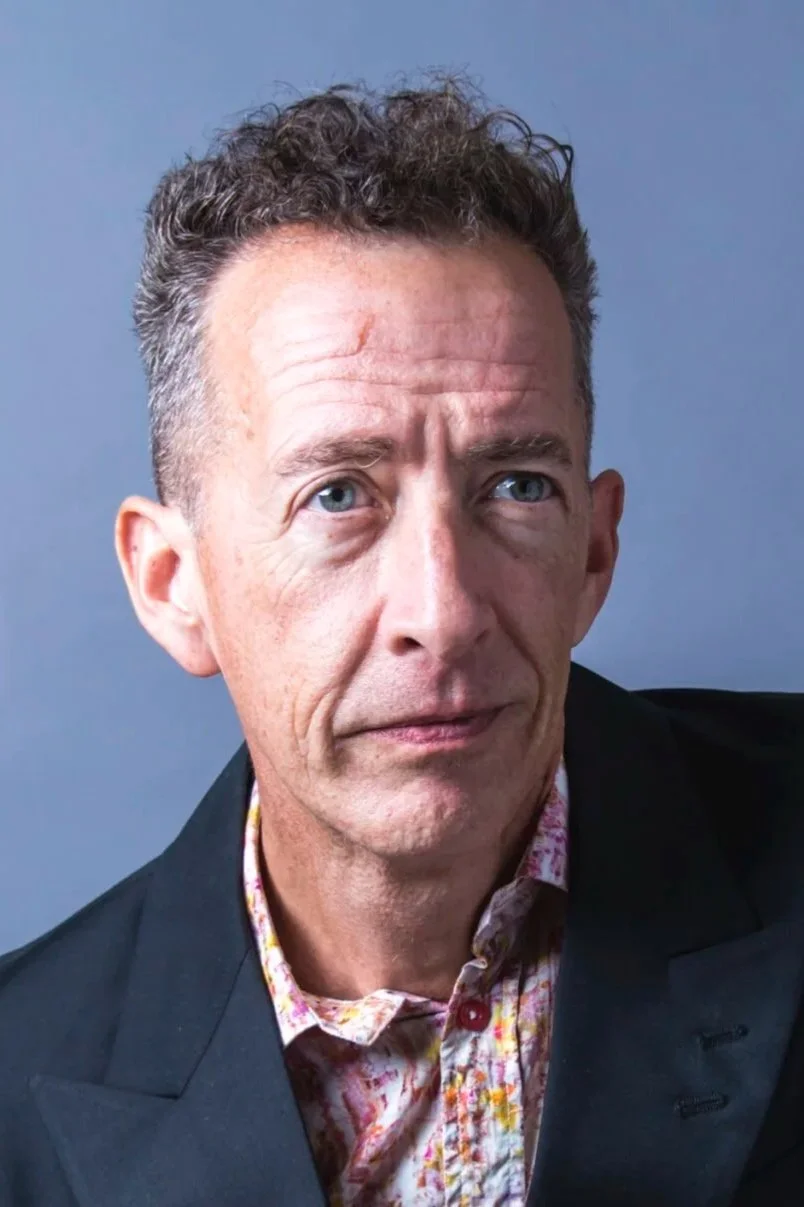
peader kirk
Peader Kirk is a renowned international artist and mentor who specializes in Performance and Sound Art. He has recently exhibited his work at the ICA in London, the National Theatre of Greece in Athens, and the Academy of Fine Arts in Turin. Peader’s work ranges from intimate encounters in small spaces to large-scale public works in urban environments, which he creates both independently and collaboratively with Mkultra.
At the heart of Peader’s work is an exploration of how we experience existence in the present moment, particularly within the context of our society and location. His site-responsive installations use the physical and social architecture of a location as a foundation, incorporating sound and object installation to develop a unique immersive experience that transcends traditional theatre conventions.
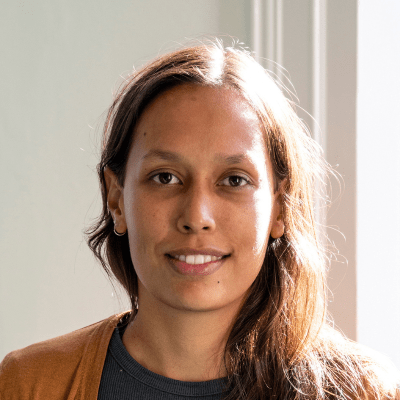
Mona camille
Mona Camille is a London-based, award-winning set and costume designer. She has designed for the West End and The Globe, amongst other theatres. Mona grew up in her native Seychelles — and is fluent in English, French and German. She works across theatre, dance and film in the UK and internationally.
Mona also teaches design at the Architectural Association School of Architecture in London.
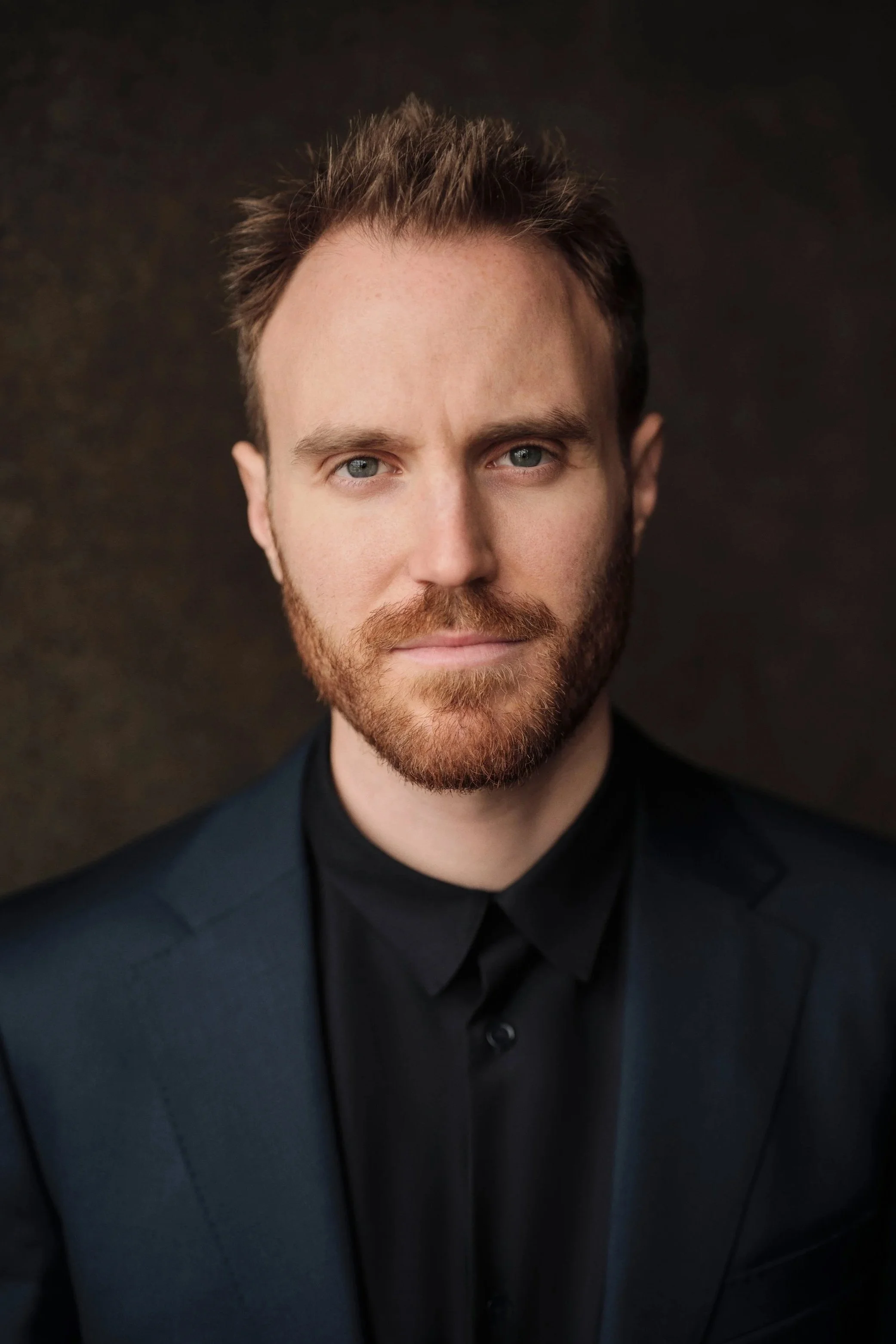
Olivier Van Den Hende
Olivier is a French-American actor best known for 13 jours, 13 nuits (Official Selection, Cannes Film Festival 2025) and his appearance in French TV shows Un si grand soleil and L'Or Bleu (FranceTV).
Olivier grew up between Paris and New York. He studied the cello at the National Conservatory of Paris for ten years before training as an actor at the Royal Academy of Dramatic Art in London.

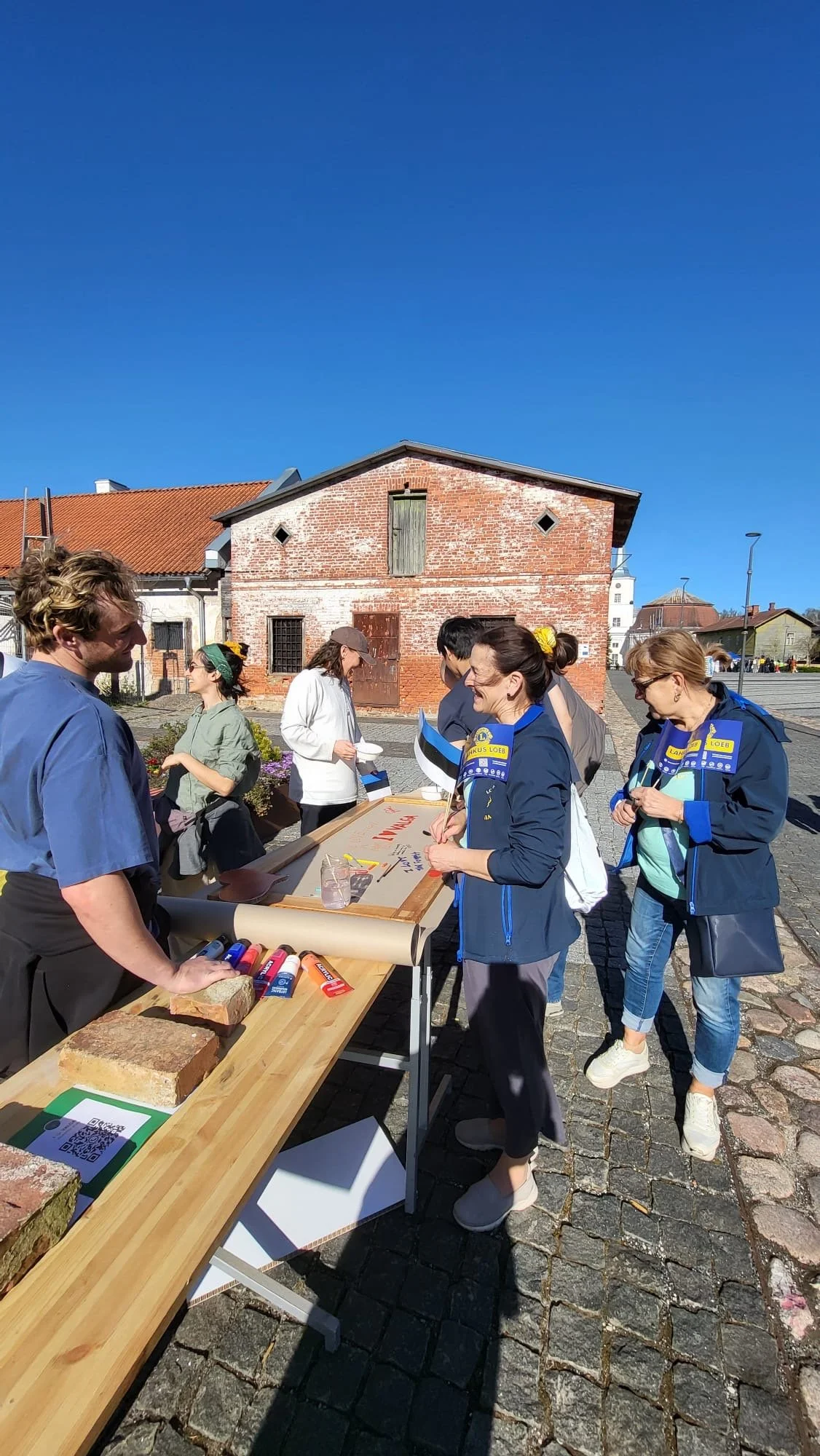
VARES Valga Architecture Residency
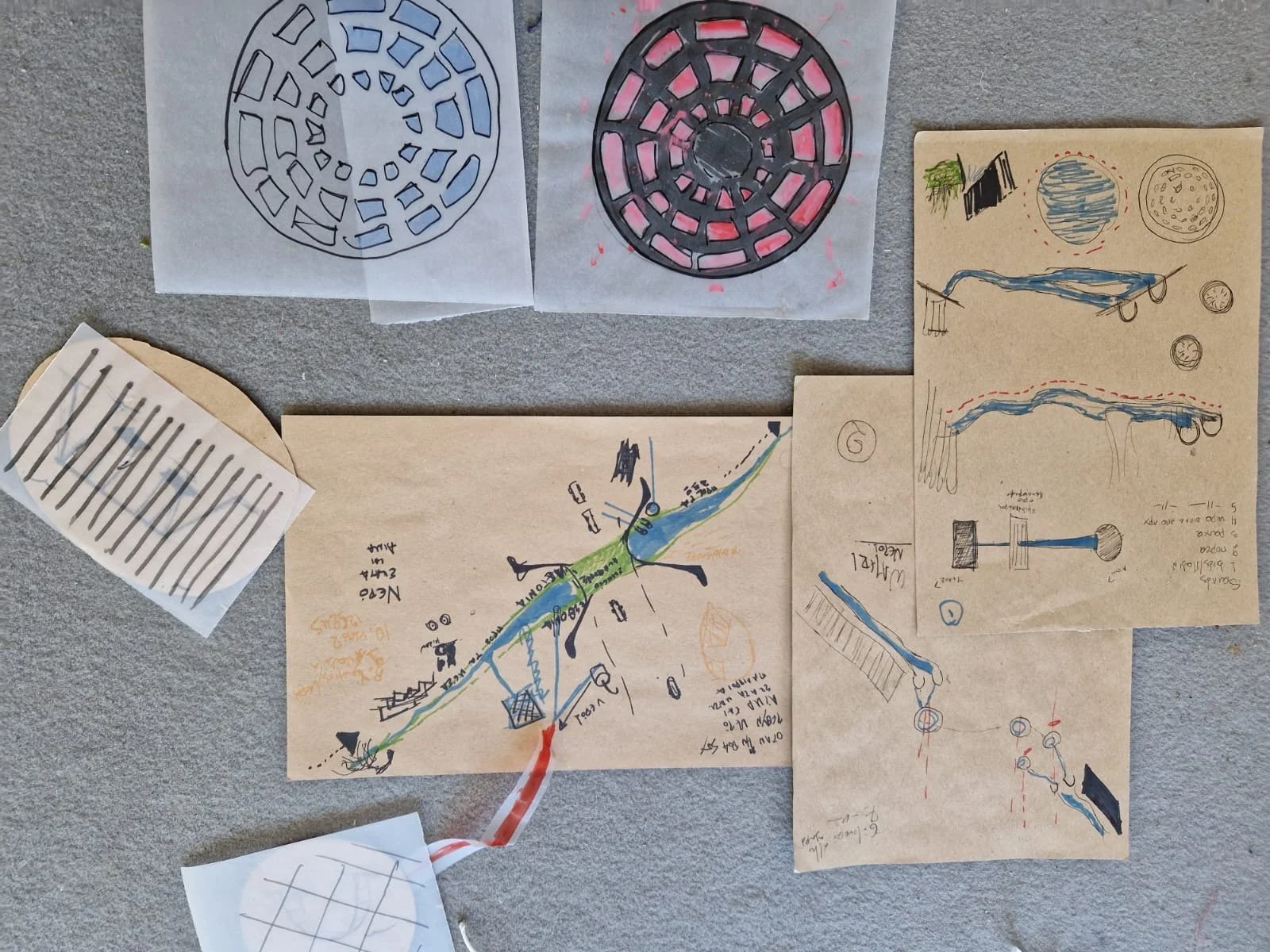
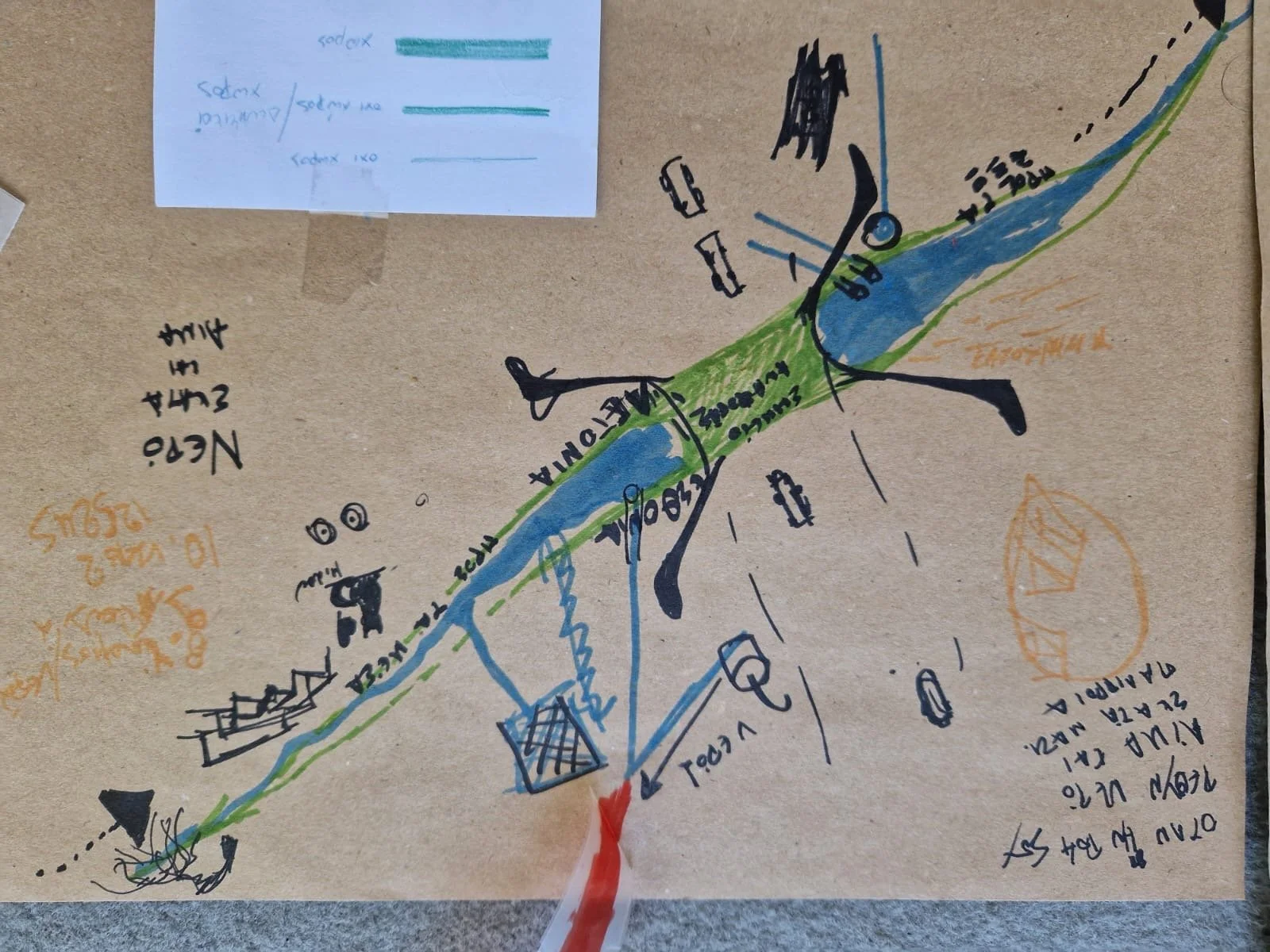
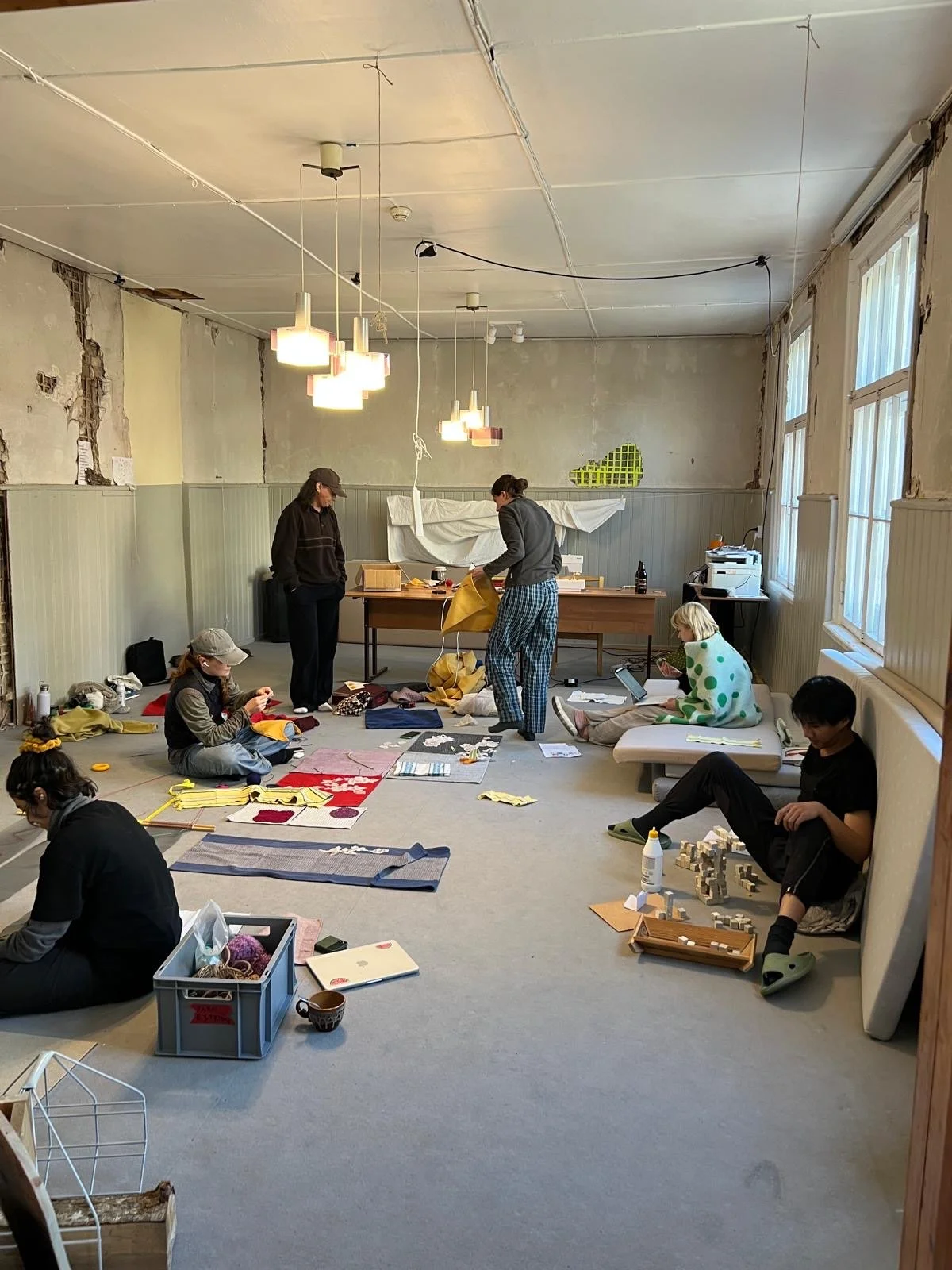
VARES is an international interdisciplinary residency for spatial practice, whose main task is to seek, find and create alternative spatial practices that are not based on market logic, but rather on the desire to create spaces and places that enrich everyday life, empower the local community and town of Valga.
We are interested in finding ways to practice slow architecture, critically rethinking the discipline of architecture, learning and resurrecting vernacular and traditional crafts, gathering old and used materials and creating a place for lifelong learning for architects and spatial artists.