Resistenze e Metabolizzazion Residency
About
About
When we, as artists, take a residency in a peripheral town with the intent to engage with a local community, we often don't feel the need to rush into the studio. We place ourselves instead outside — in the fresh air, the most crowded alley, the locals' favourite cafe, in rhythms that feel unfamiliar — and the environment begins to enter. The relational field of the community, its quality of attention, the particular way people occupy their own public space, begins to act on us in ways that are difficult to account for and impossible to manufacture.
This side of TЯA holds more than 20 artists' voices and testimonies from a residency in Melpignano, in the south of Italy, where they worked in deliberate proximity with a local community — without resolving that encounter into a single account.
Gathering these voices is not merely documentary — it is a repositioning: when artists enter a peripheral place, their very presence performs a narrative, and that narrative, left unattended, is rarely theirs, and rarely the community's. Staying close to practice itself — to what artists do and notice and carry, to the strategies and the moments that are usually left unnamed — is how that changes; it is the discipline of voicing experience from the inside, with curiosity and self-criticism, rather than leaving it to be spoken by other agendas. And holding that account open, on the other side of this site, for the community to answer from theirs, is how it becomes complete.The project takes its name from the Italian preposition — tra, among, between — written with a flipped R that folds the word Art inside it. The encounter changes us, the artists, and the place, Melpignano.
Lead by: Giacomo Veronesi
Practices
The residency community circle and proposes accounts of ways of training in relation, even when with oneself: testimonies from practitioners gathered around shared somatic research, where making, learning, documenting, and disseminating are not separate stages but continuous movements within the same process.Everything created in these residencies is, first and foremost, relational — an account of conversations, shared moments of practice, and the reciprocal exchange of knowledge and care, both in the work itself and in what holds the work up.What this page gathers — documents, reflections, records of what happens in the room and around it — is an attempt to make that visible: to bring to the surface the quality of attention, the small decisions, the care that runs through how practitioners are with each other before the work takes form; to give a place to what would otherwise remain minor or unnamed.These accounts do that work in two directions: outward, as transparency toward anyone seeking to understand or engage with these ecologies; and inward, as a living record of a collective practice that frames the gathering as a first step into working with communities, and knows its process is inseparable from what it produces.
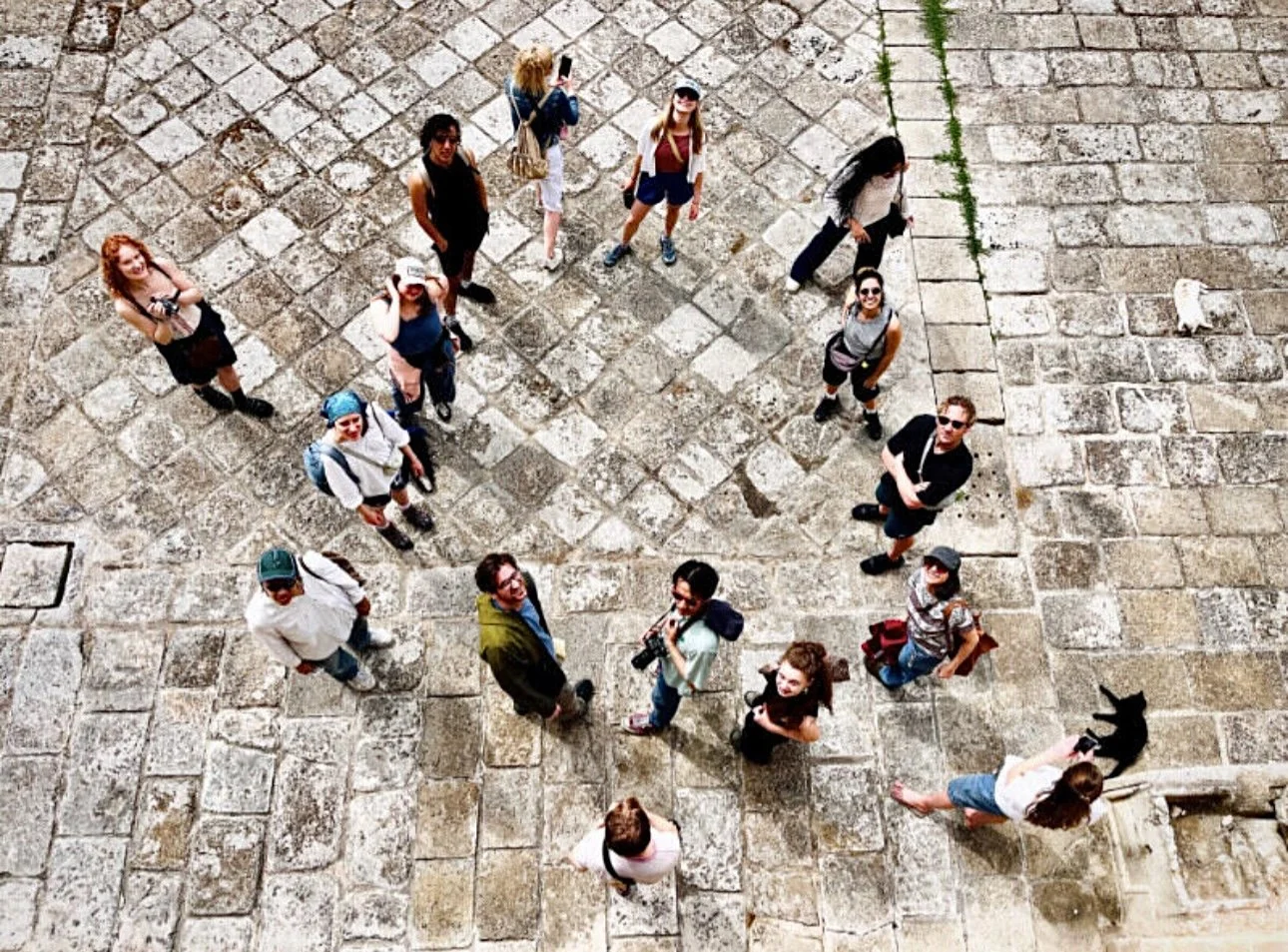
Resistenze e Metabolizzazioni is a four-week artistic residency in Melpignano, a small town in the Salento region of southern Italy, bringing together twenty-three performance makers, researchers, and local collaborators from across Europe. It is the fourth iteration of a practice that began in 2021, and the first to operate within a fully articulated research framework.
The residency is structured around the practice of tasking — short, declared explorations sent into the village each morning, held by a peer, documented, and brought back at the end of the day for collective reflection. Tasks are not the work; they are the conditions under which something can happen. What they are designed to produce is encounter: with the place, with its people, with the limits of one's own artistic habits.
The conceptual frame for this iteration is drawn from two terms held in deliberate tension: resistenze — what refuses to be assimilated, in a culture, in a body, in a practice — and metabolizzazioni — the slow conversion of experience into capacity to act. Neither is privileged over the other. The work lives at the crossroads between them.
Melpignano, Puglia
Melpignano is drawing me down a path which is unveiling to me that the most alive material arrives before you know what to do with it, and that the only thing required during the encounter is to be in motion when it does. I arrived in Melpignano without a grammar for the place - no previous visit, no shortcut, no already negotiated relationship with its light or its heat or the particular weight of Salento history pressing up through the stones. The only way forward is to continue to allow this landscape to pass be me by and, to collide with what it has to say to me each day.
-
This is my first residency in Melpignano. I arrive without the accumulated grammar of previous visits — no muscle memory of the space, no shortcuts, no already-negotiated relationship with the territory. Only the unfamiliar, which is both the difficulty and the gift.
There is something clarifying about beginning somewhere new. The absence of precedent makes every choice deliberate. I cannot rely on what worked before, because before doesn’t exist here. What I have instead is the discomfort of the present tense — and the question of what my practice looks like when stripped of its familiar scaffolding.
I am still learning what I came here to find out.
There is something to do with arrival itself as a condition of work: not settling, not yet, but staying in that threshold state long enough to see what it produces. The first residency is always also the first draft — provisional, unresolved, honest in ways that later versions sometimes aren’t. The unfamiliarity of Puglia, its light, its particular weight of heat and history, doesn’t yet belong to me. But I am beginning to let it work on me.
St. Padre Pio -
Melpignano, 2026
In Melpignano I encountered the phenomenon of stigmata — specifically through the figure of Padre Pio of Pietrelcina, a man born in this region of southern Italy, who bore the wounds of Christ on his body for fifty years.
What draws me is the miracle itself, and the ecstatic states that accompanied it. Padre Pio did not simply receive wounds. He received them inside experiences of overwhelming intensity — visions, raptures, states in which the ordinary boundaries of the self appeared to dissolve entirely. The body, in these moments, was not a passive surface. It was the site where something invisible became undeniably, irreversibly physical. Where love — understood not as sentiment but as a total consuming force — pressed through the skin and bled.
This is what I keep returning to: the intimacy between ecstasy and flesh. The stigmata are inseparable from the trance states that produced them. The wound is the ecstasy made visible. And what precedes both — decades of prayer, fasting, suffering, a life given over completely to an invisible material — suggests that the body, under conditions of absolute dedication, becomes capable of things that exceed ordinary understanding. That sustained interior states can reorganise the flesh from the inside.
I am not trying to resolve this. I hold the miracle as a genuine question — one that the body understands before the mind does.
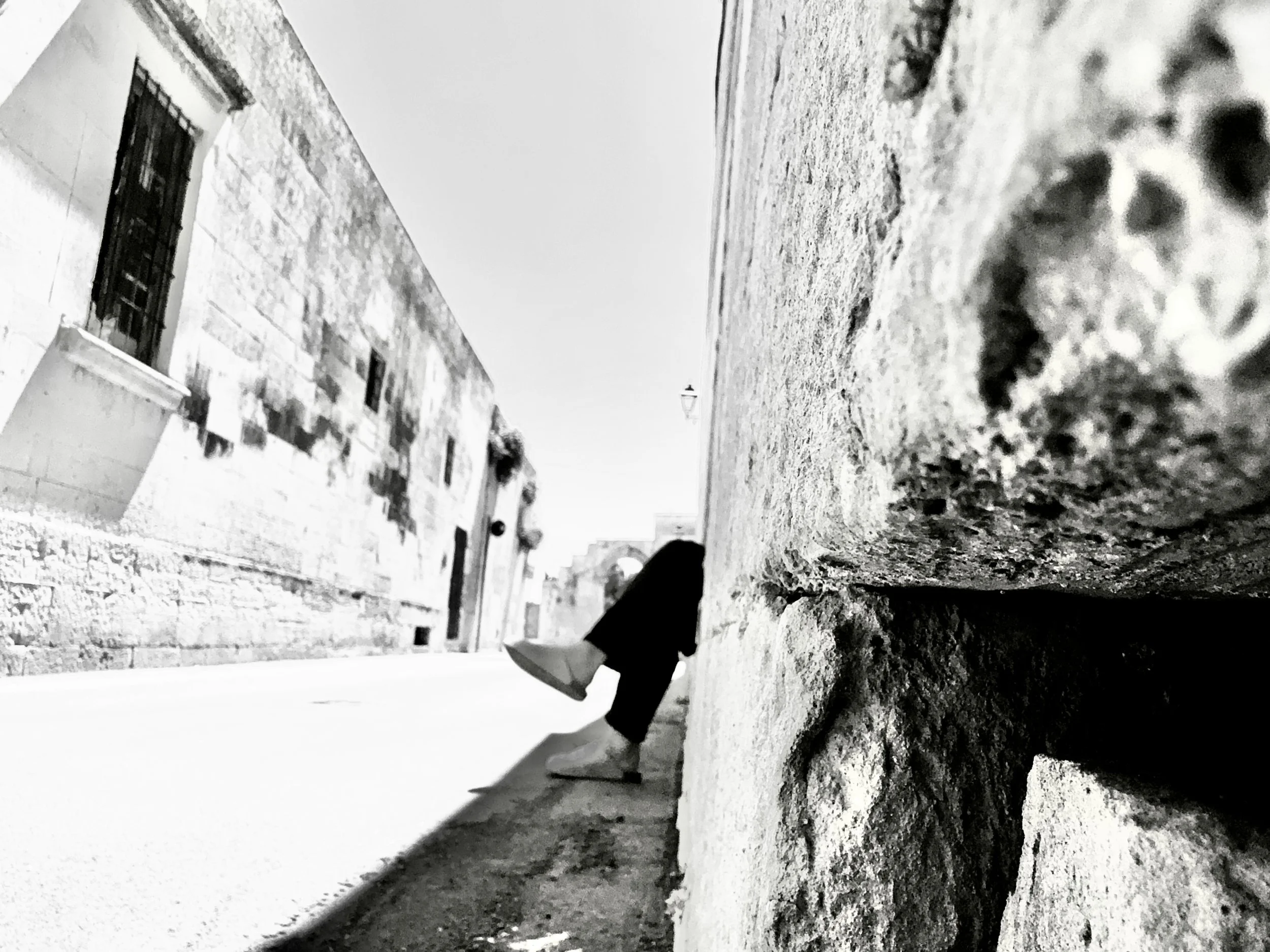
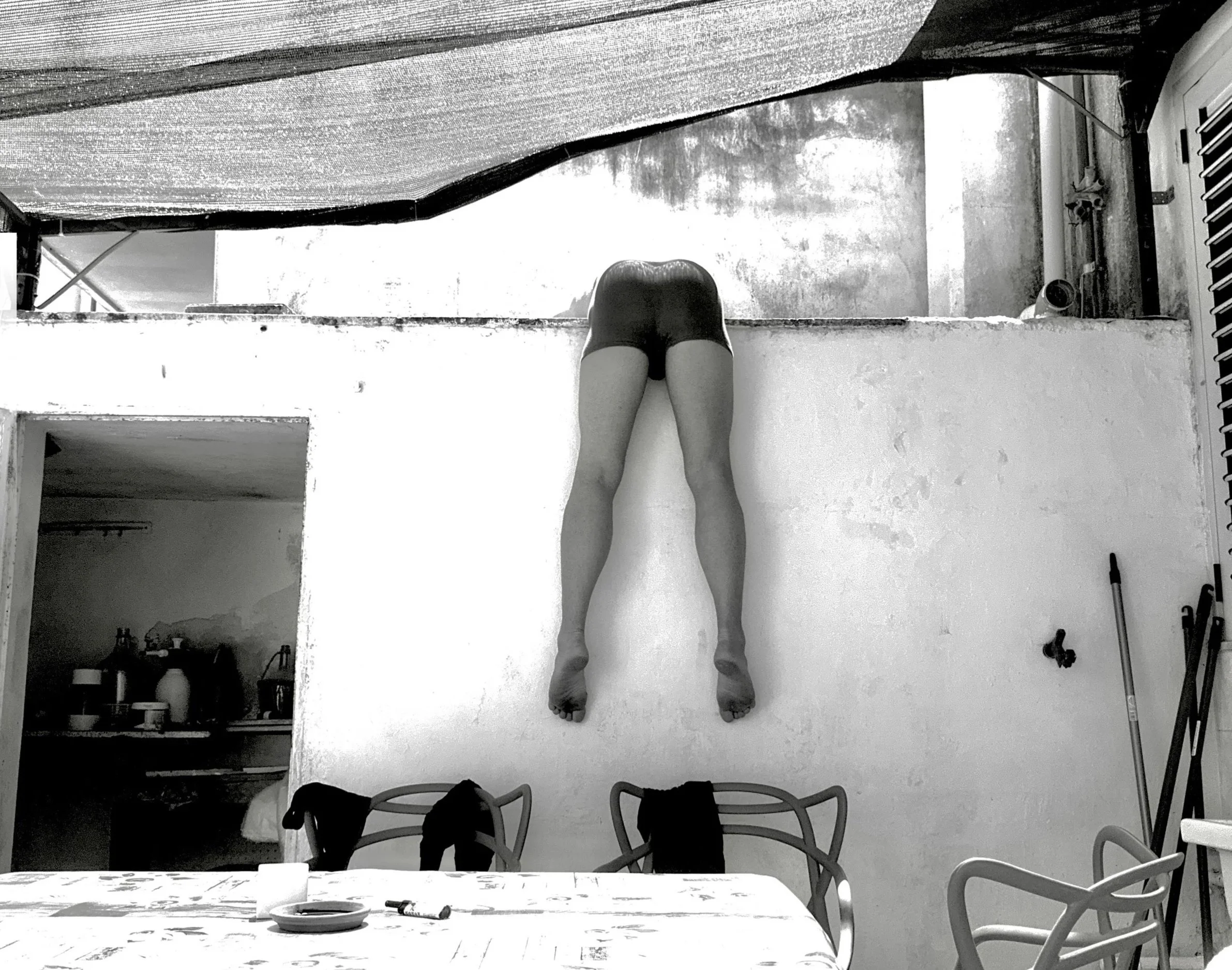
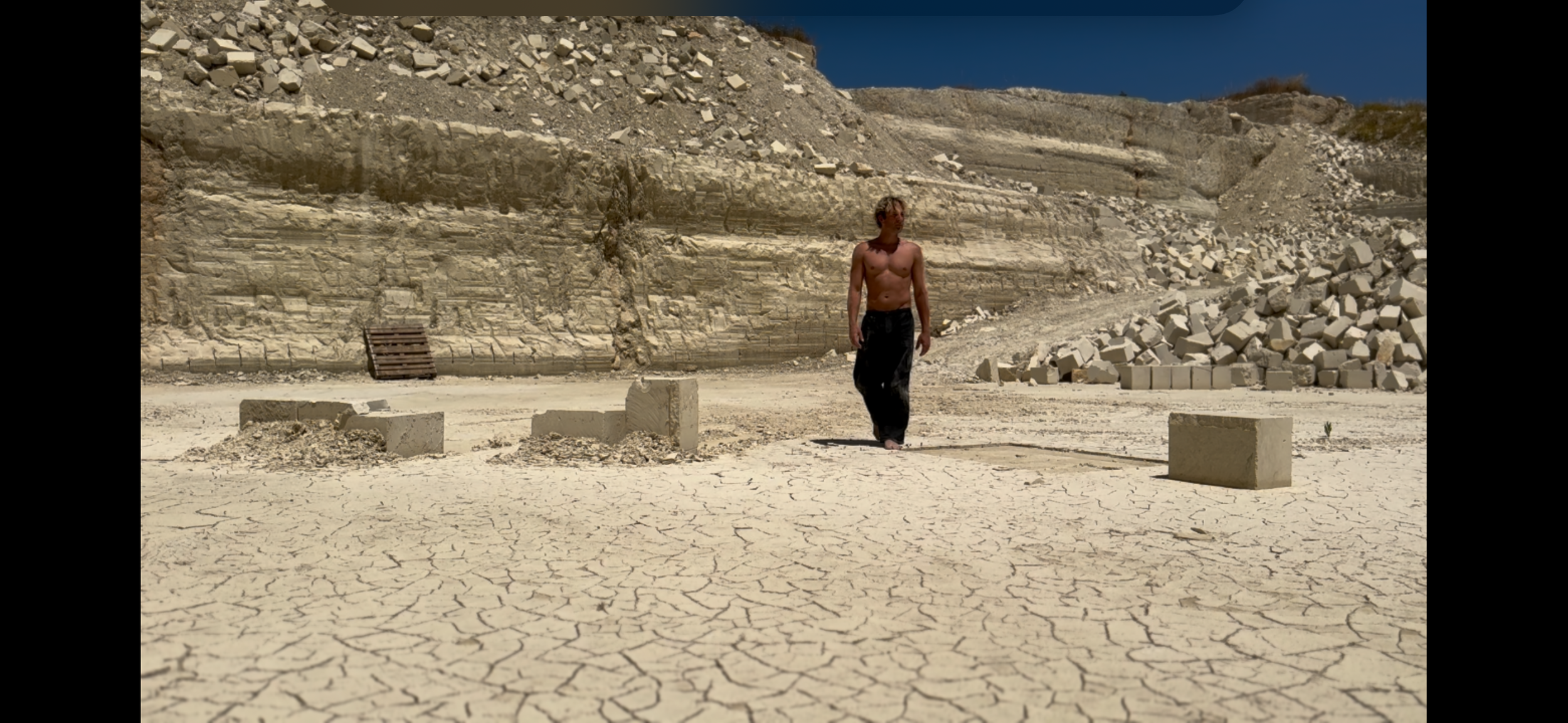
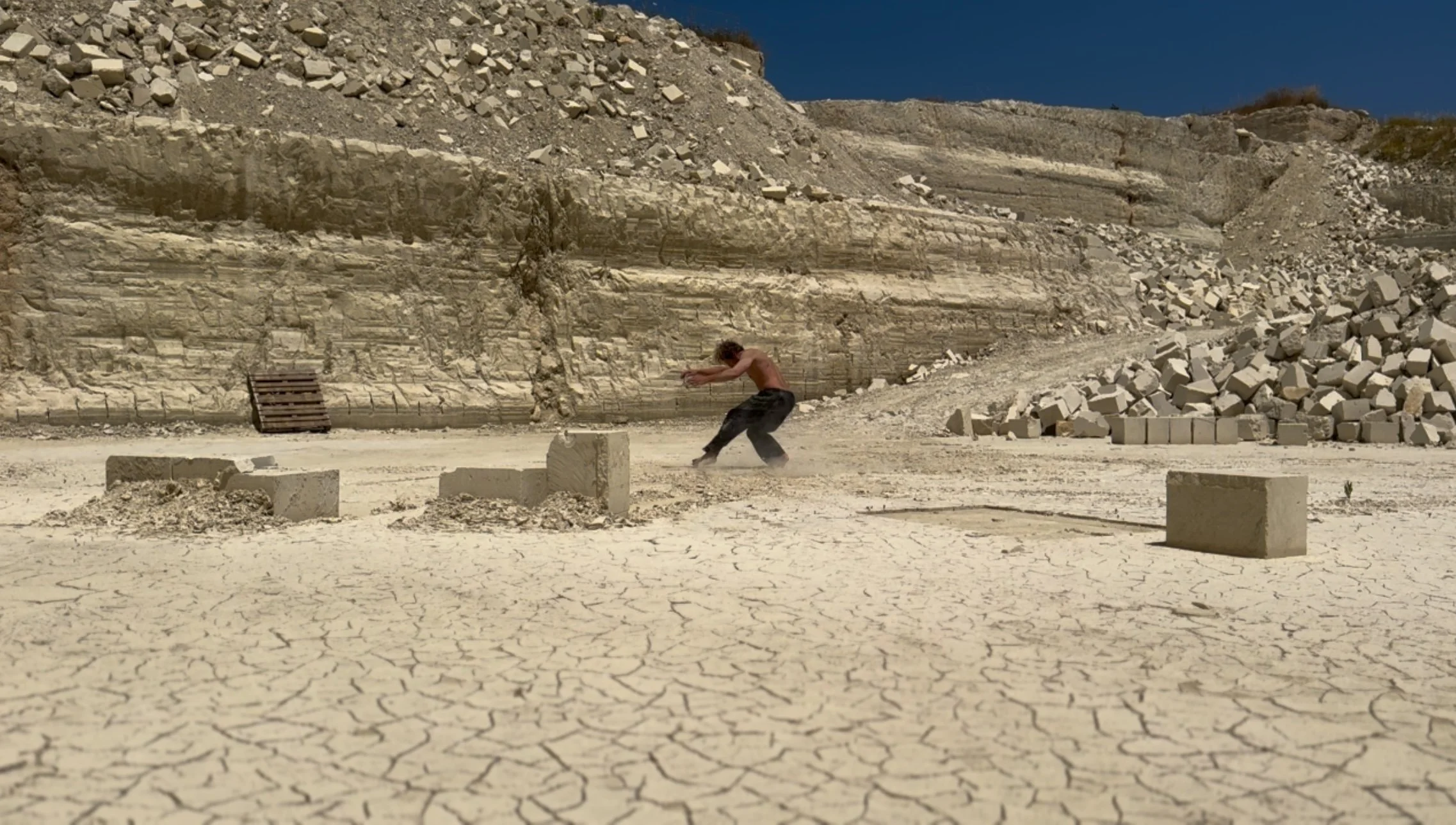
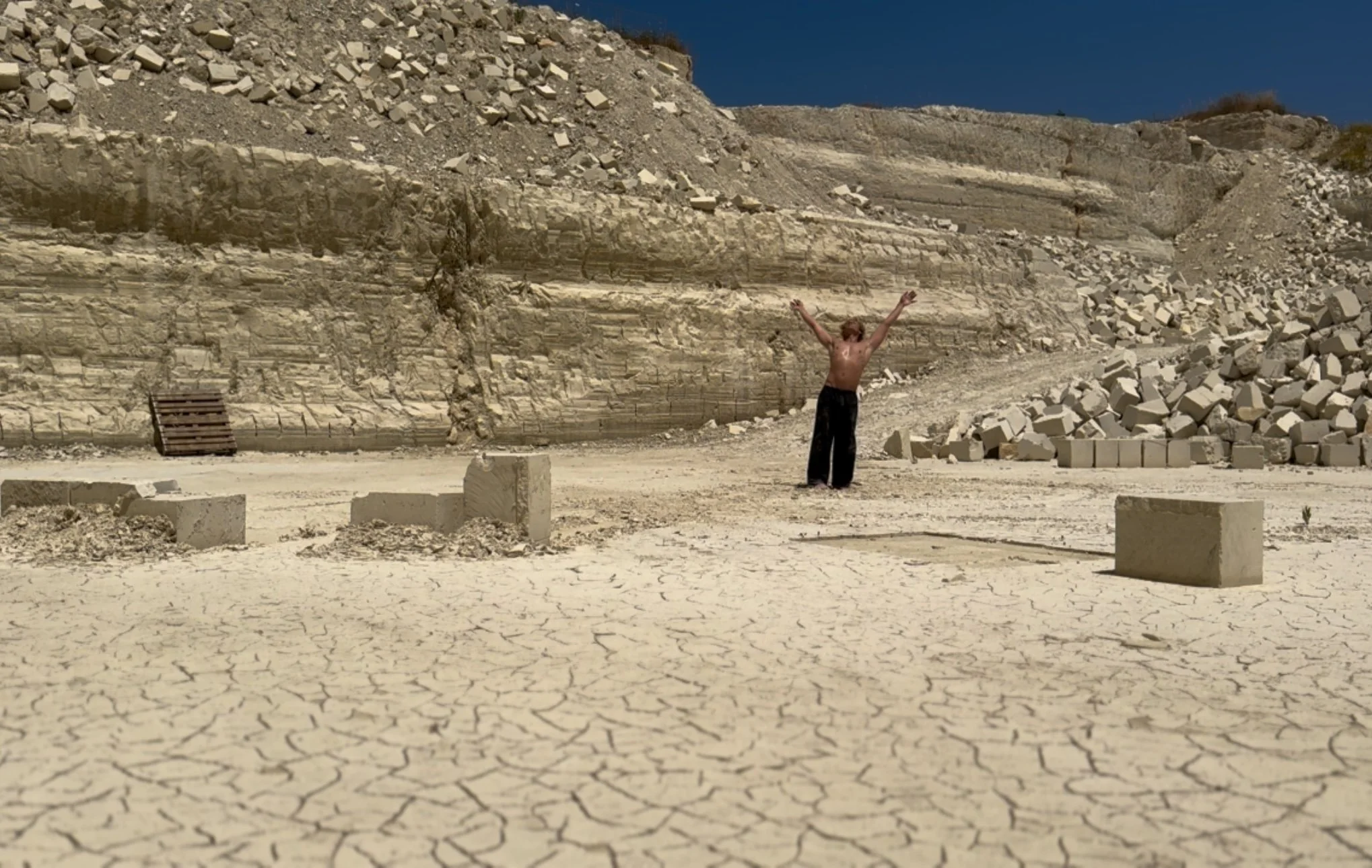
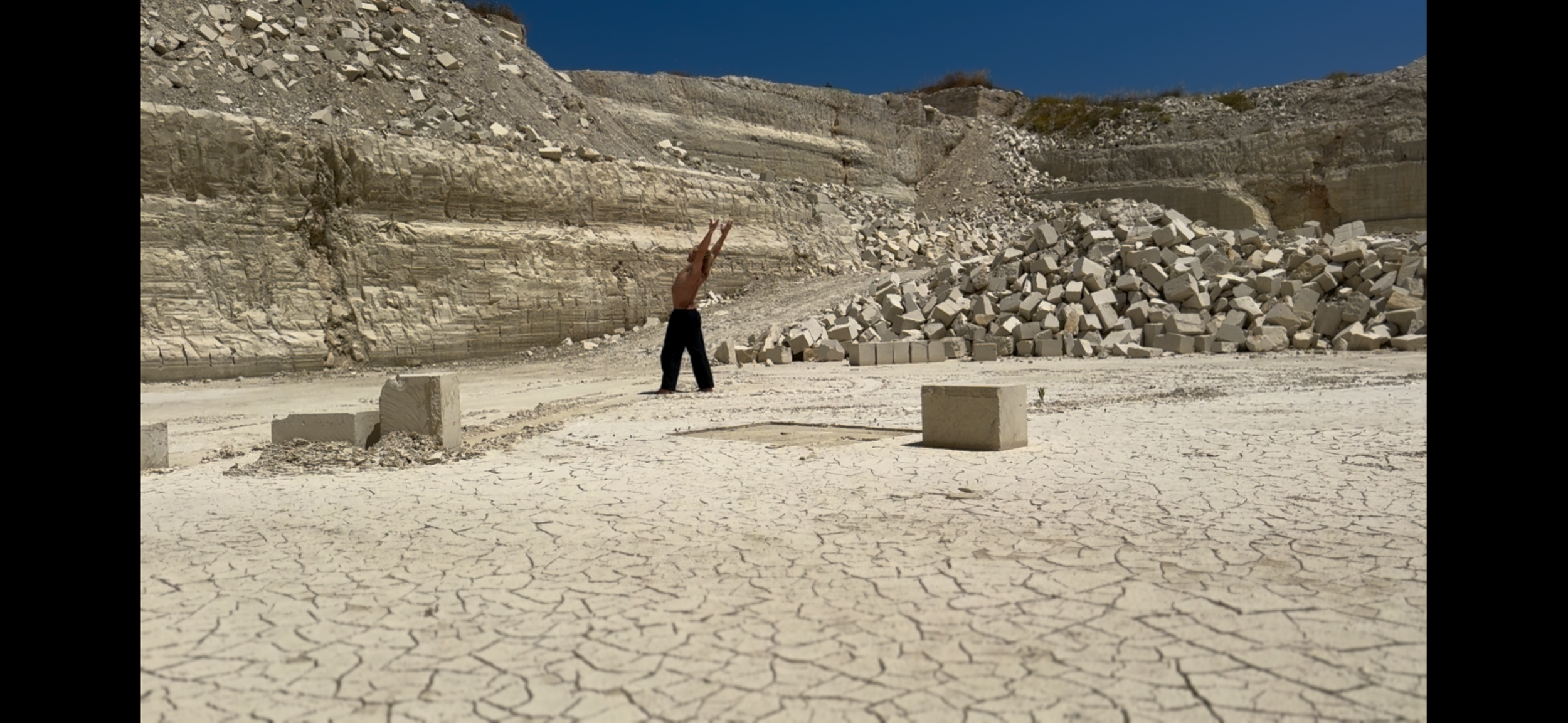
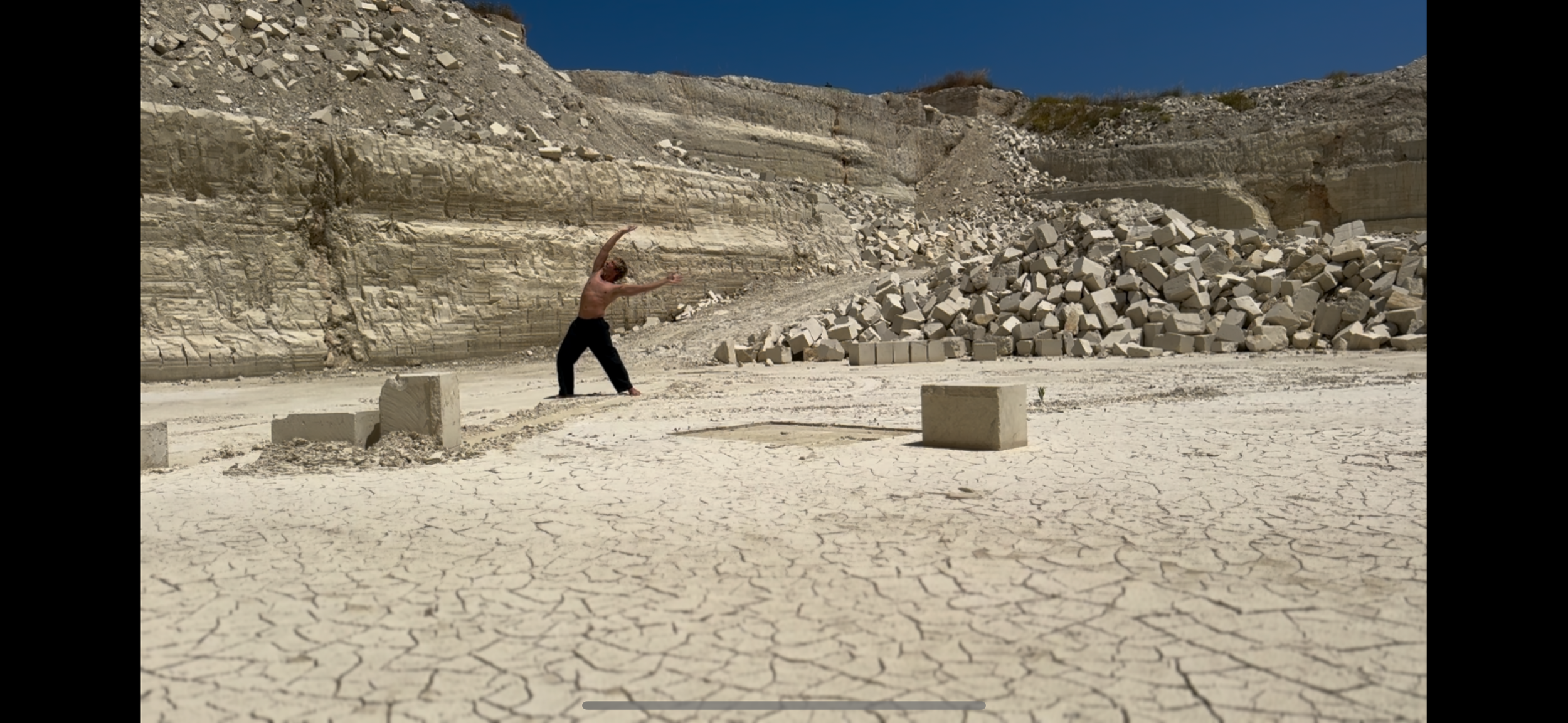
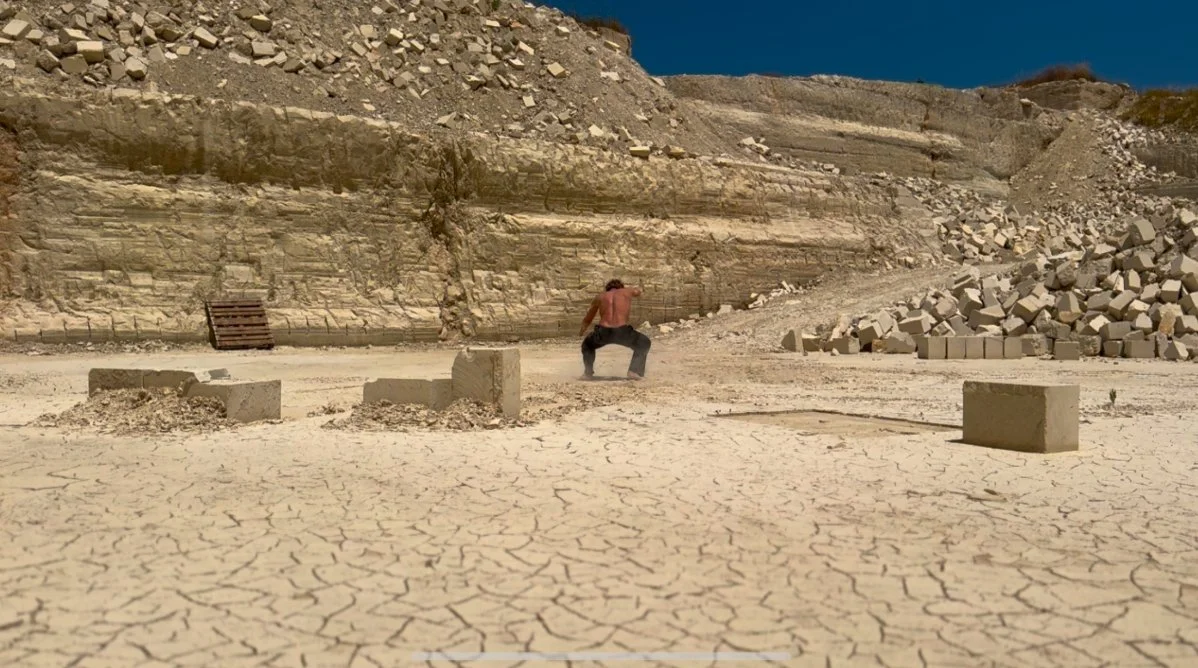
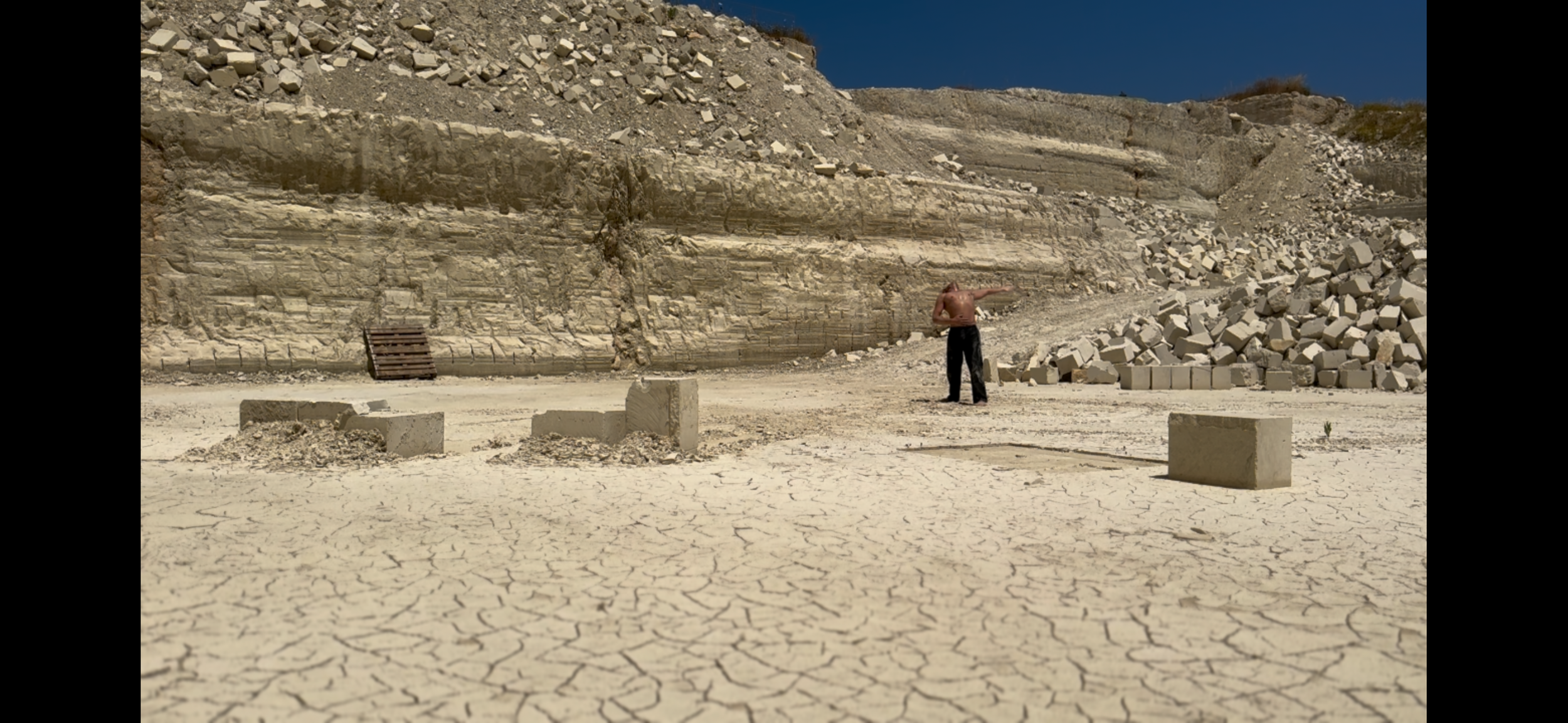
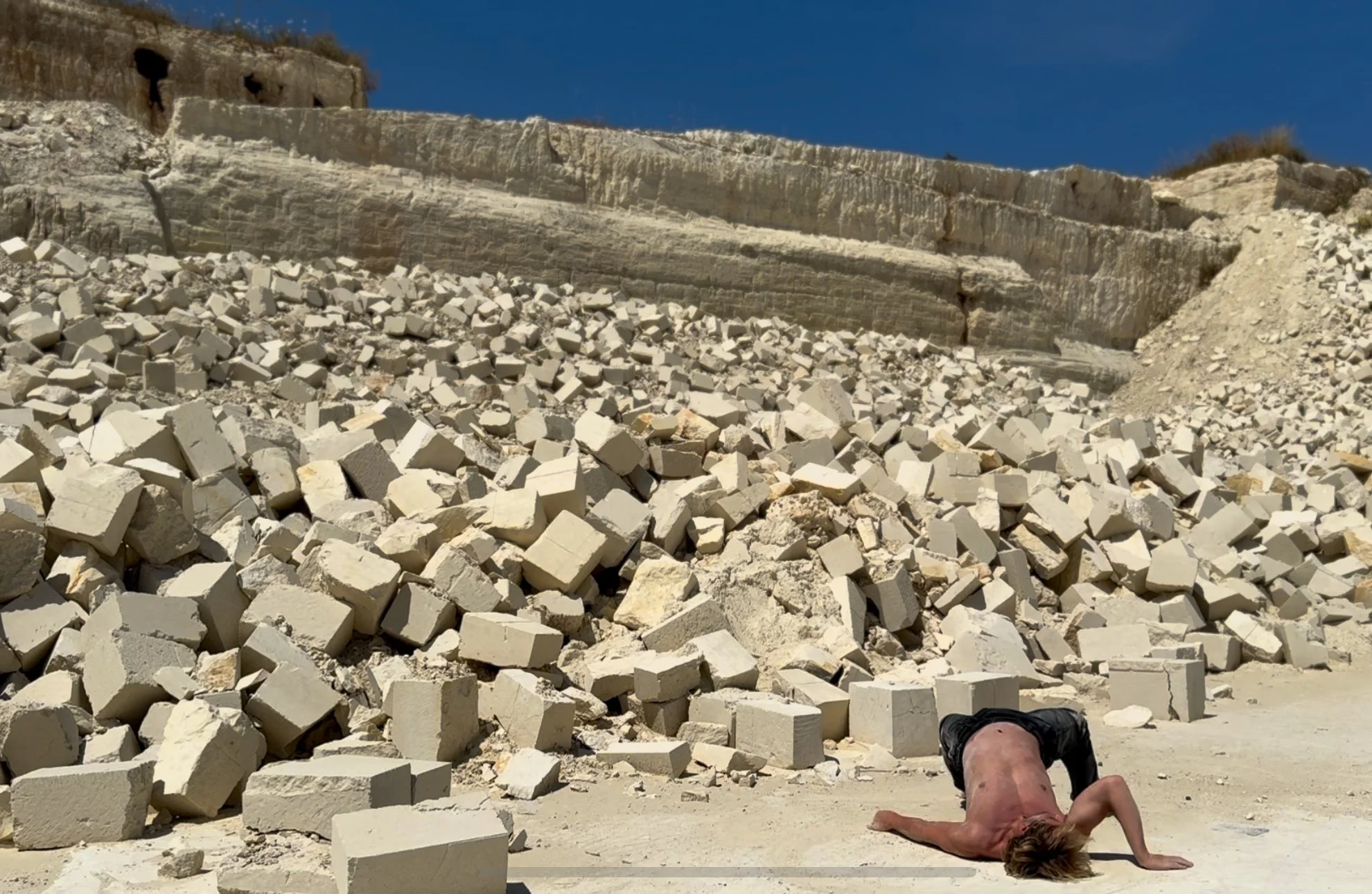
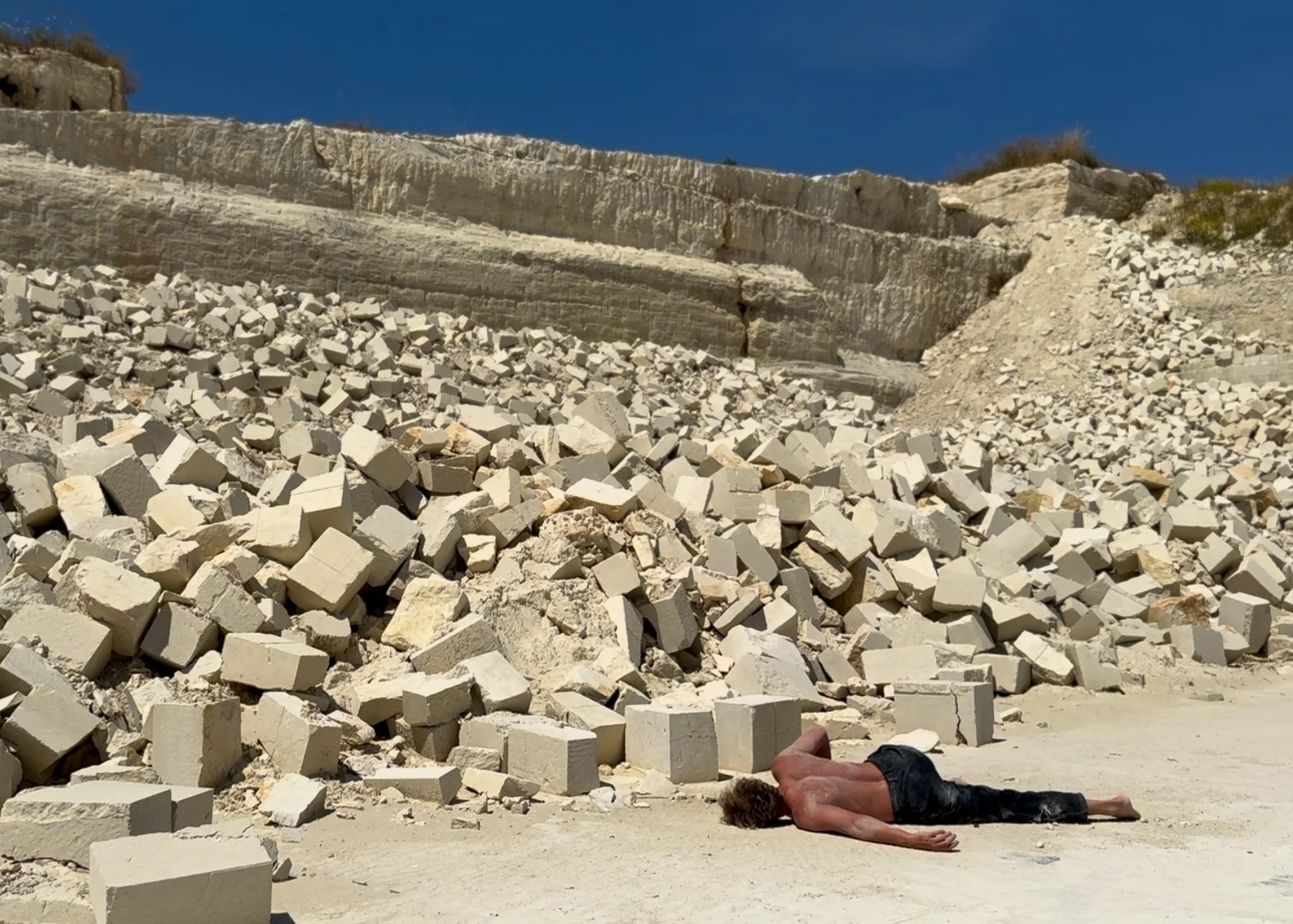
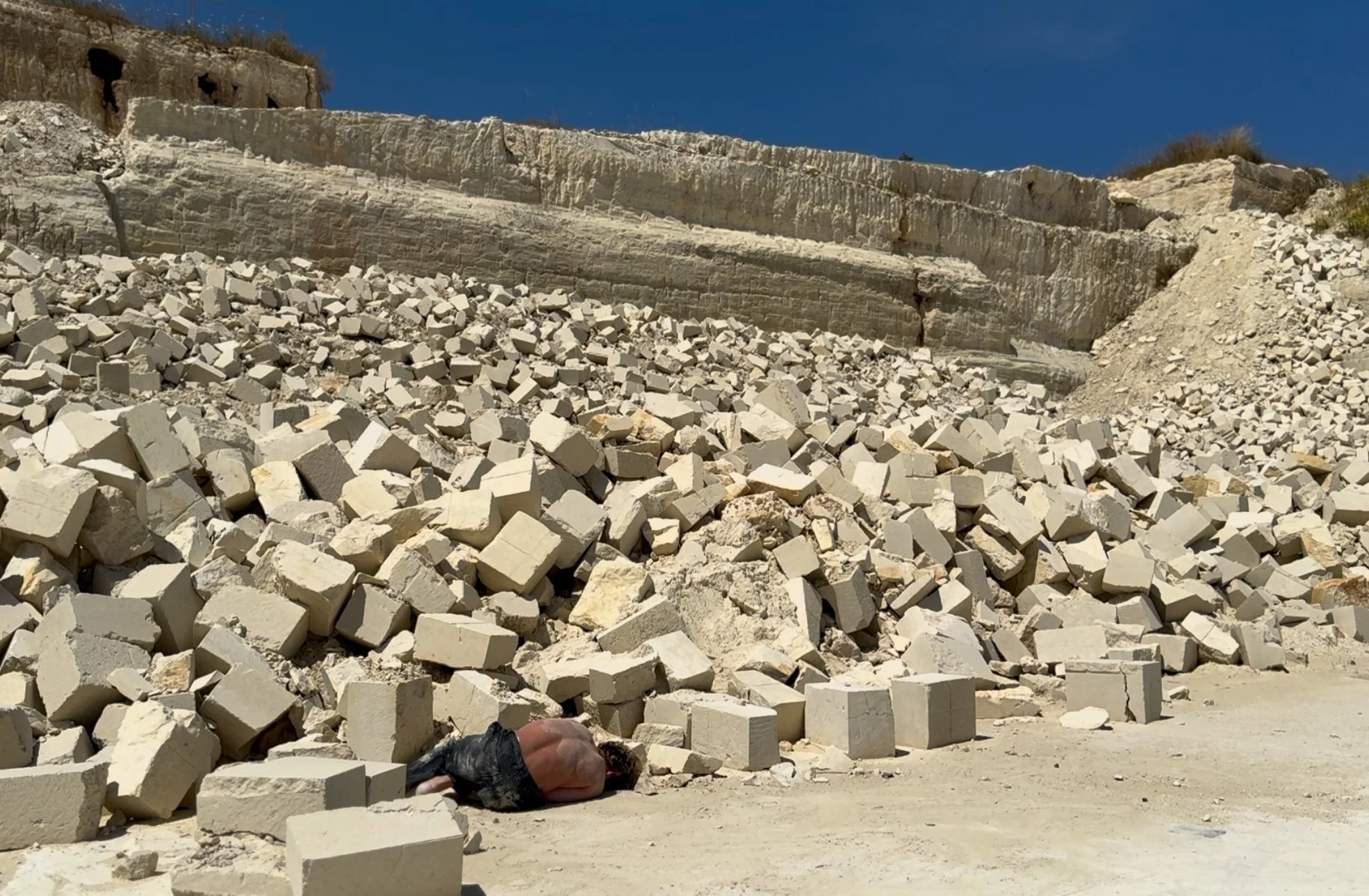
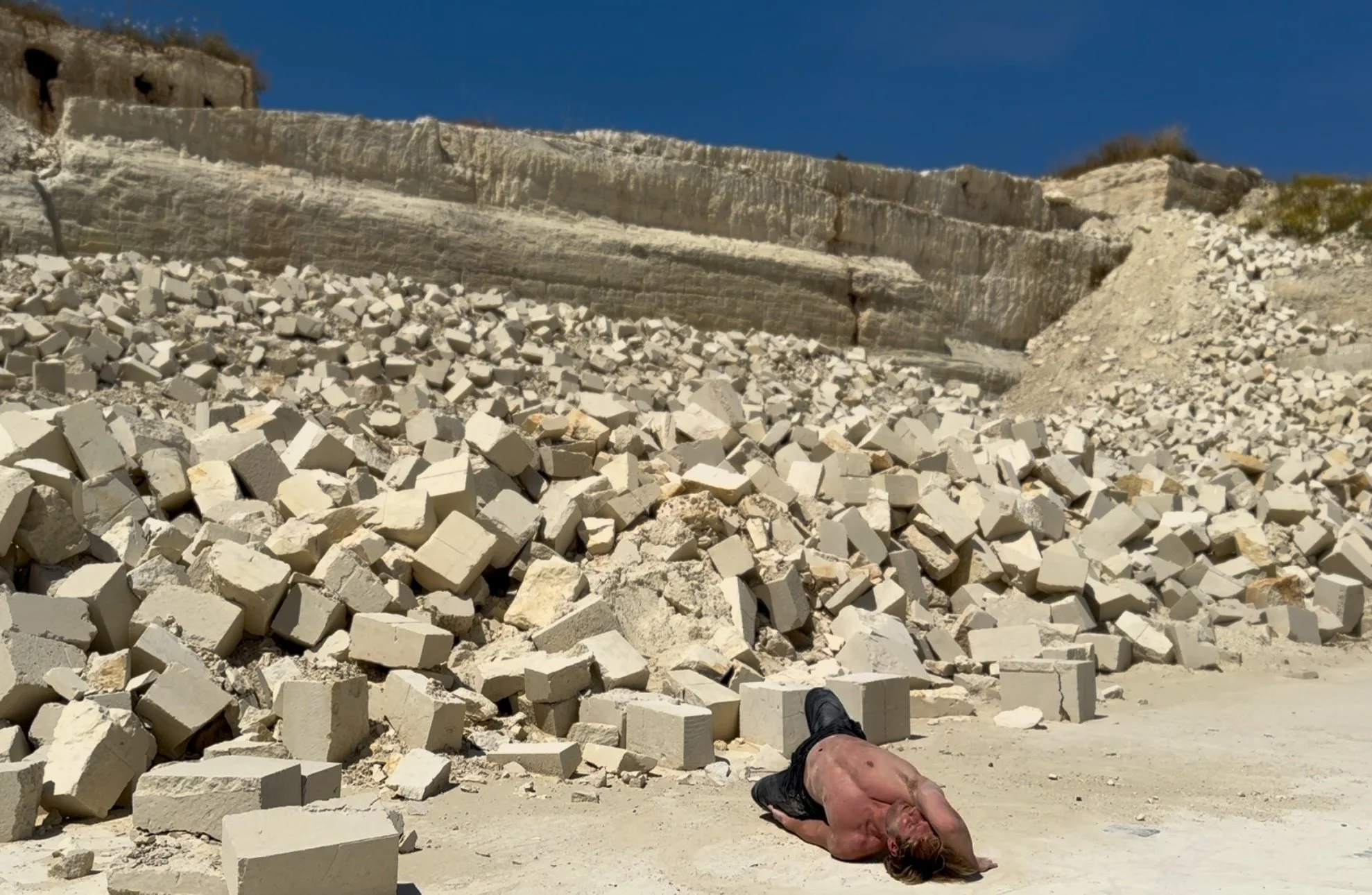
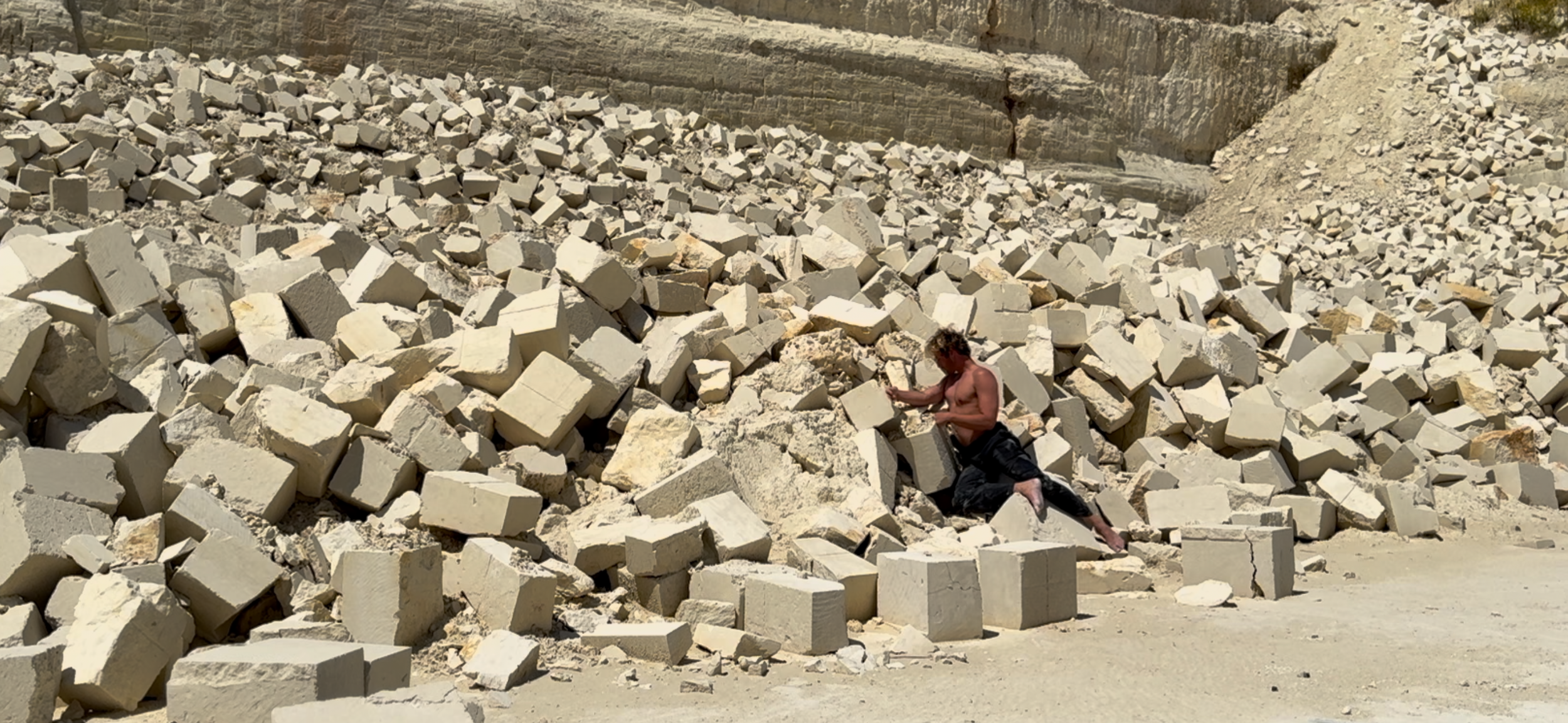
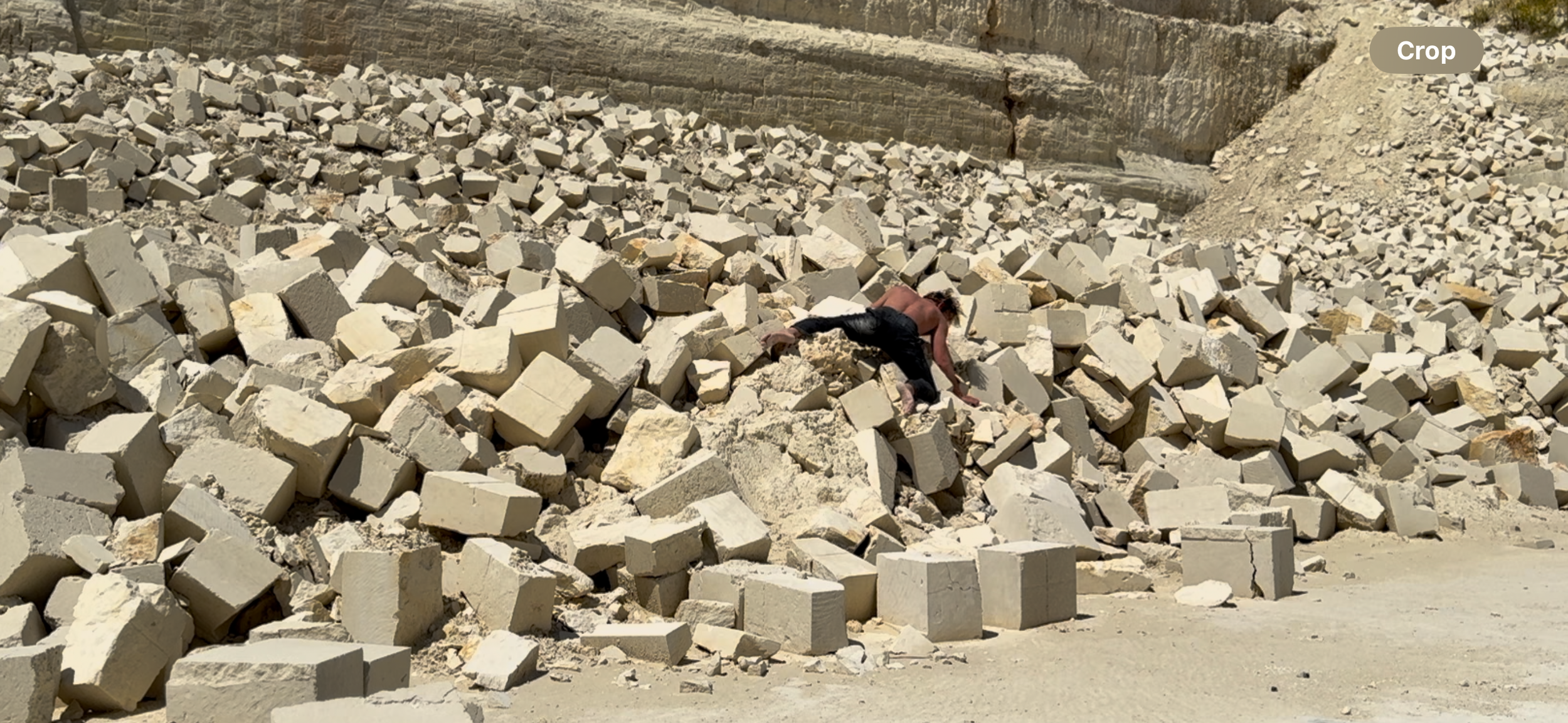
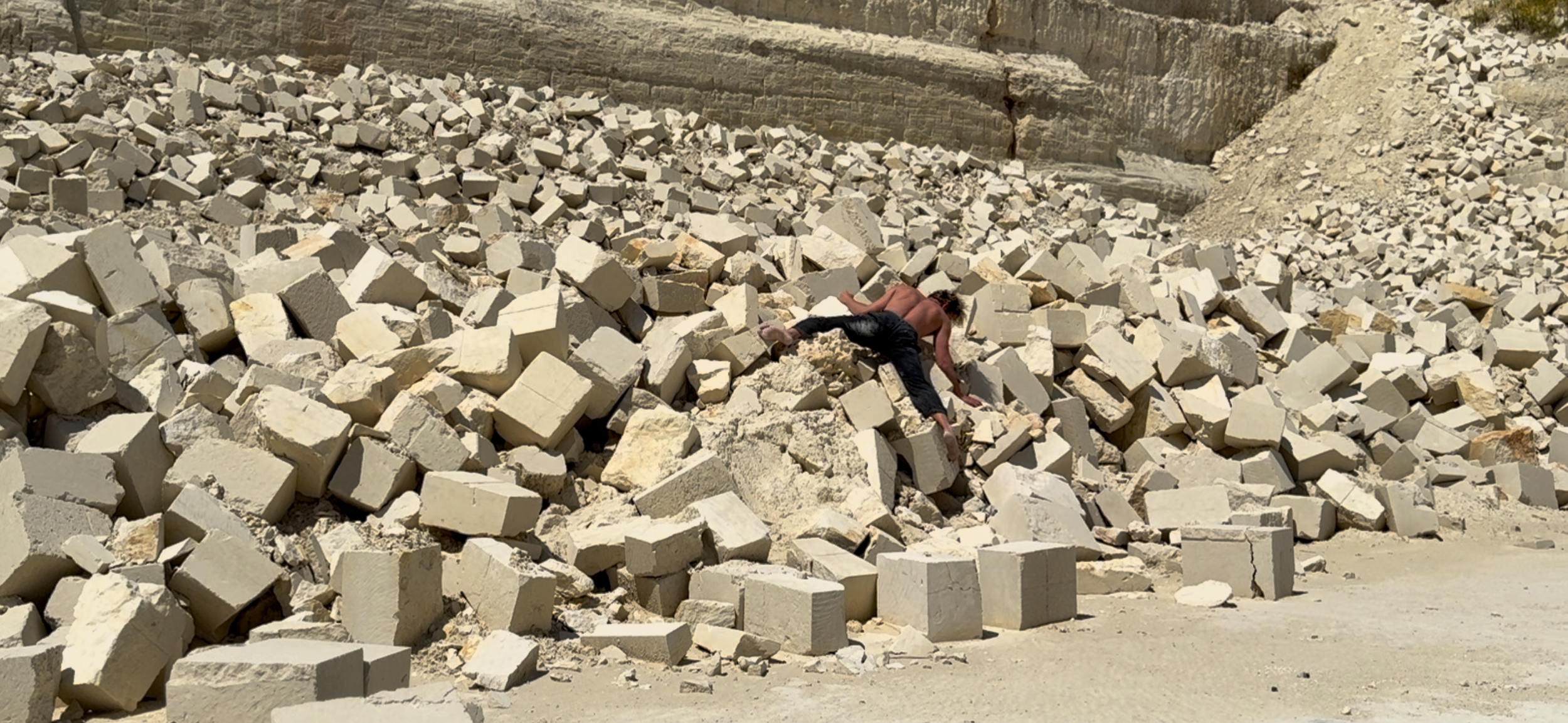
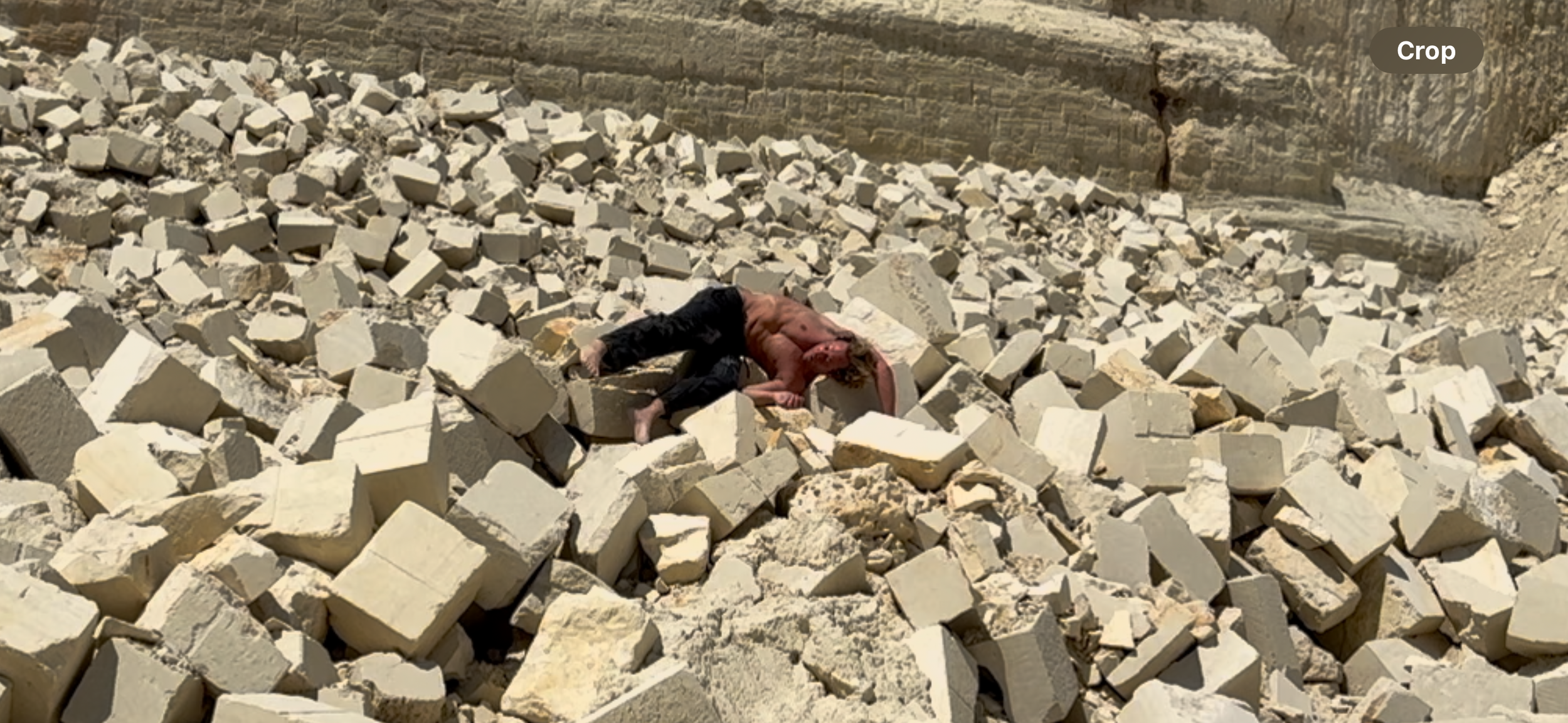
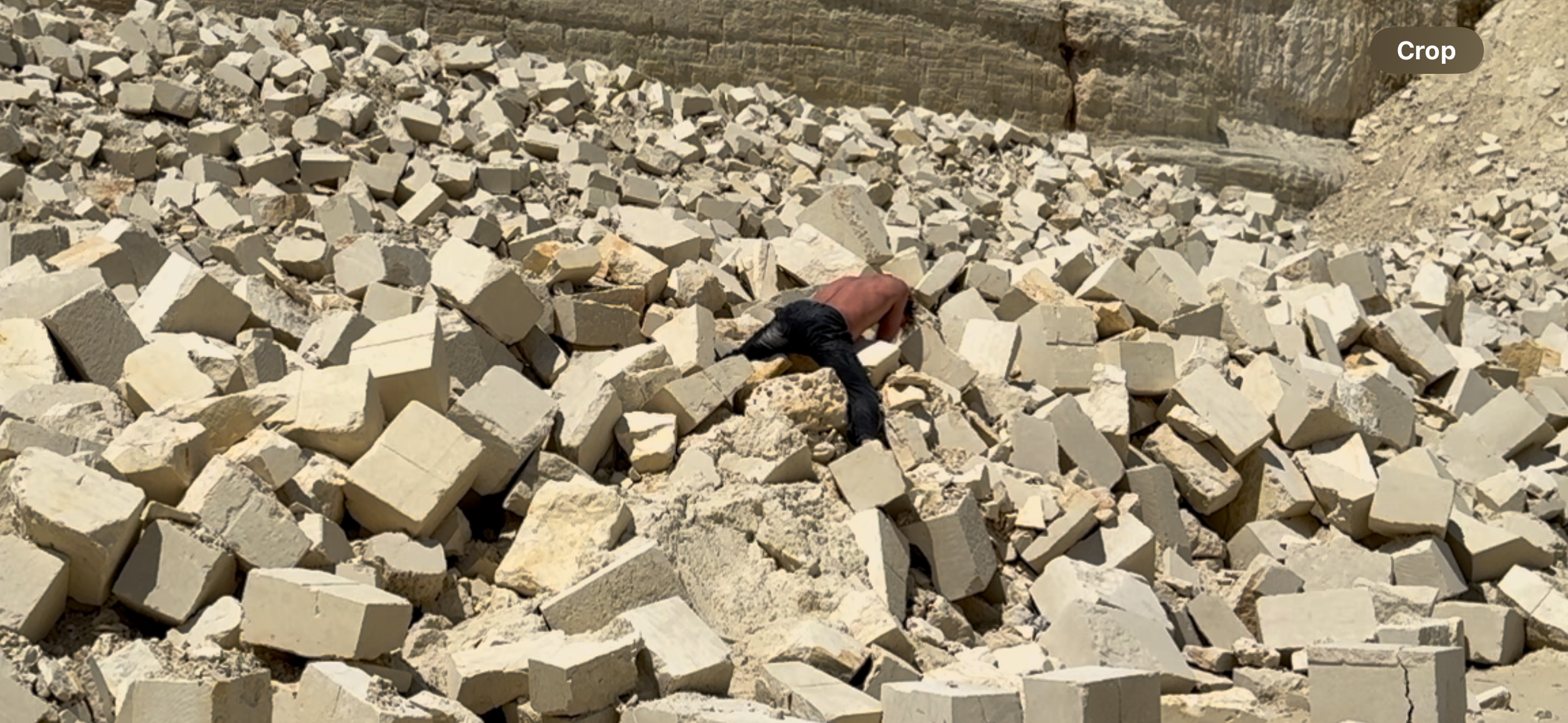
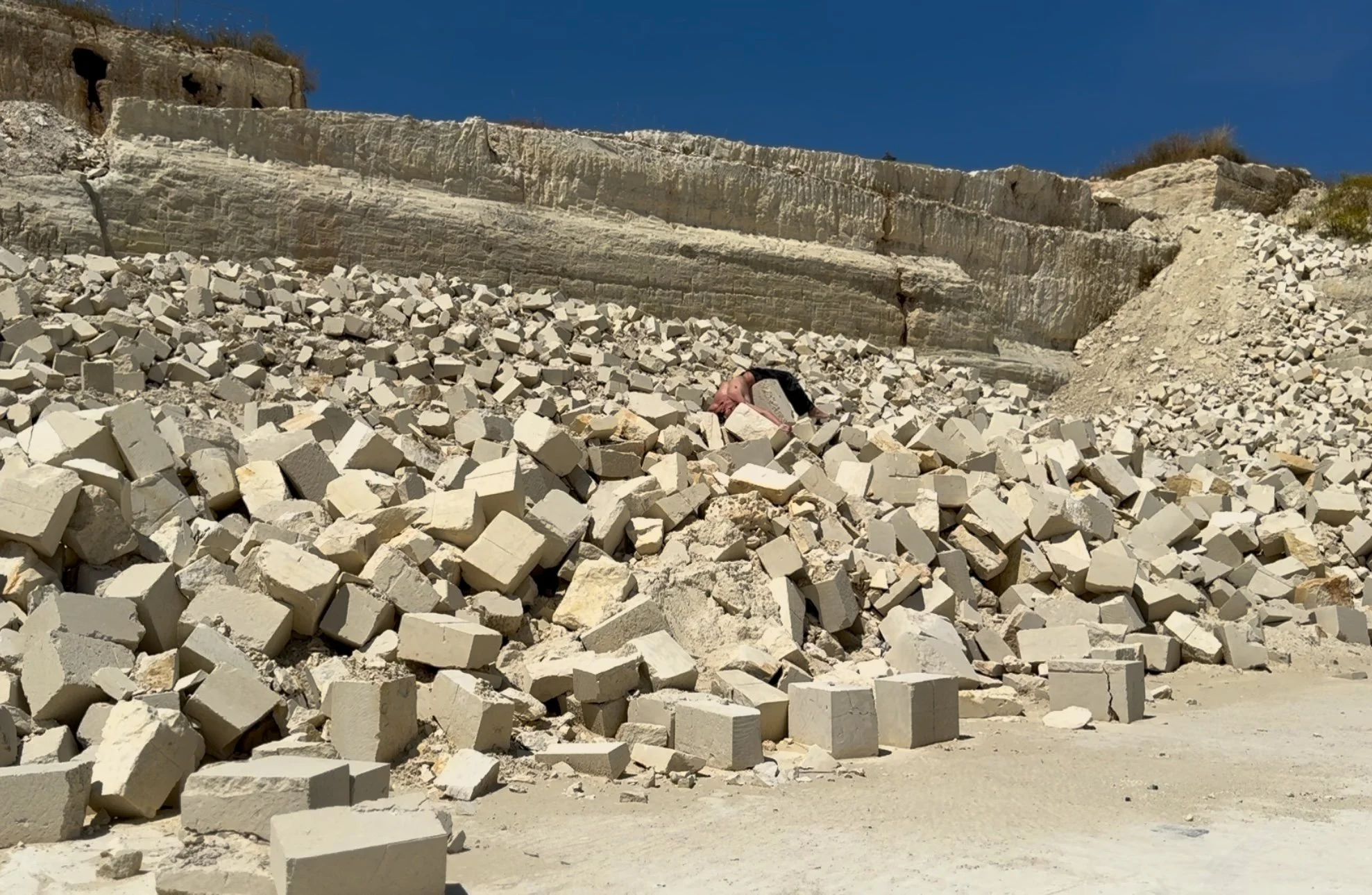
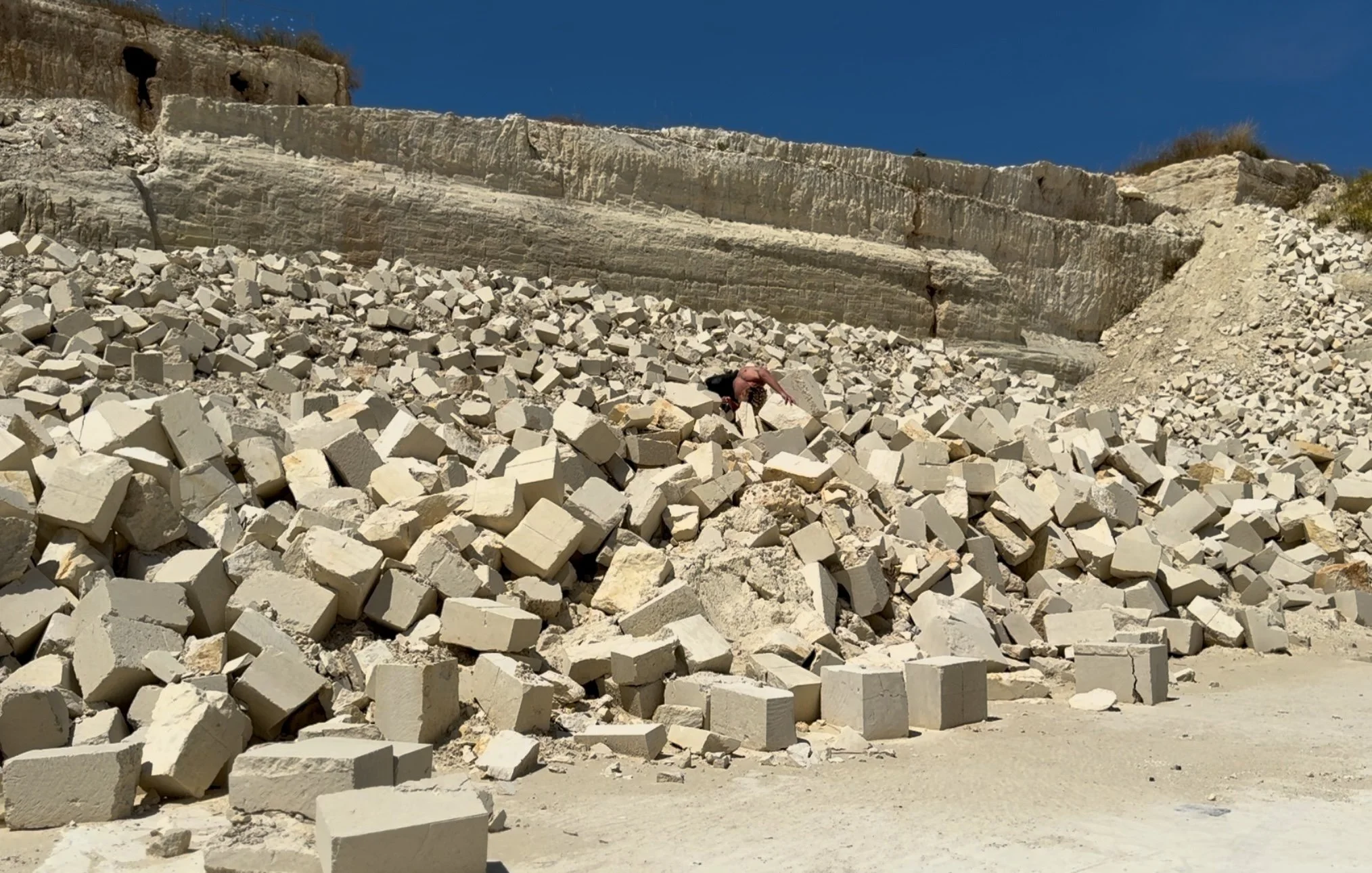
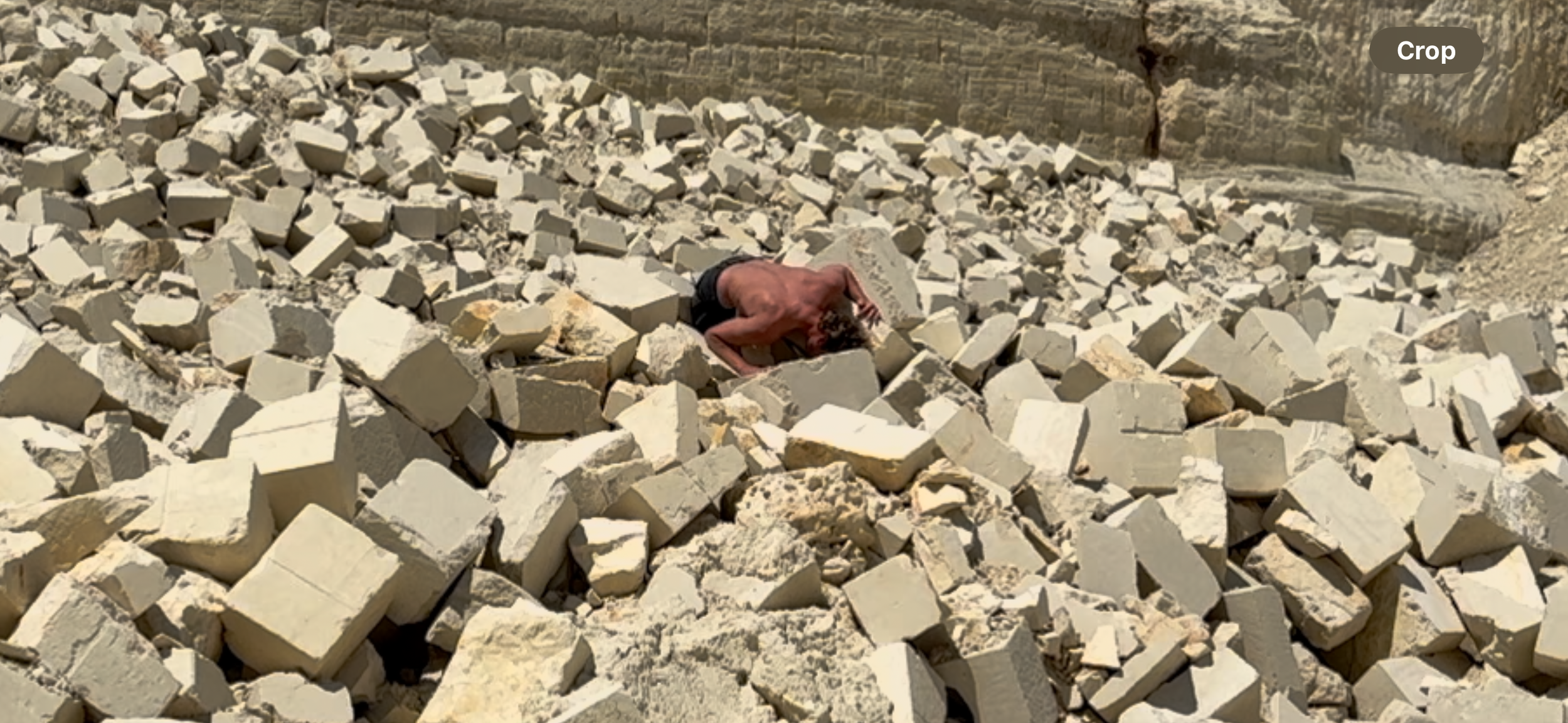
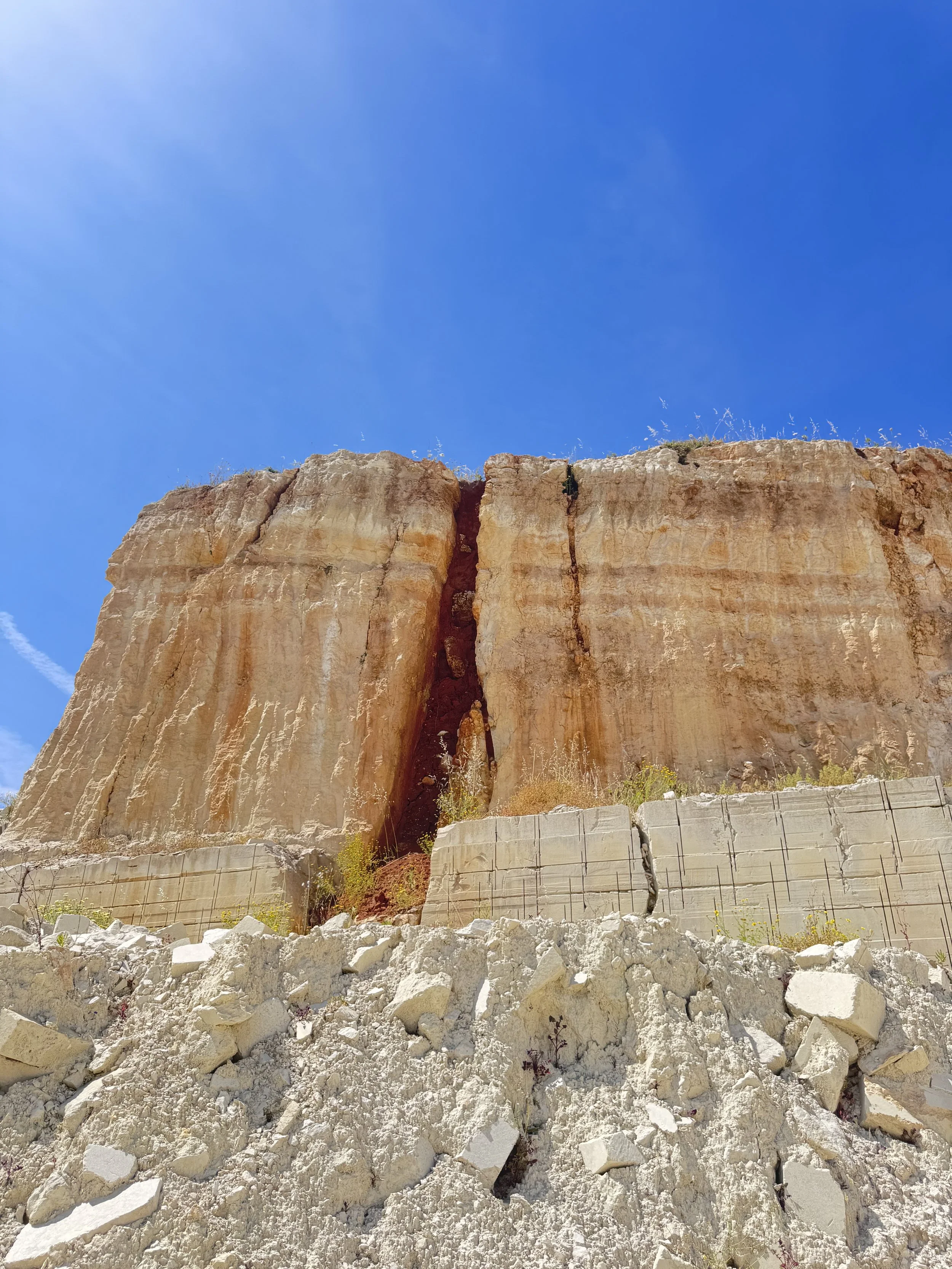
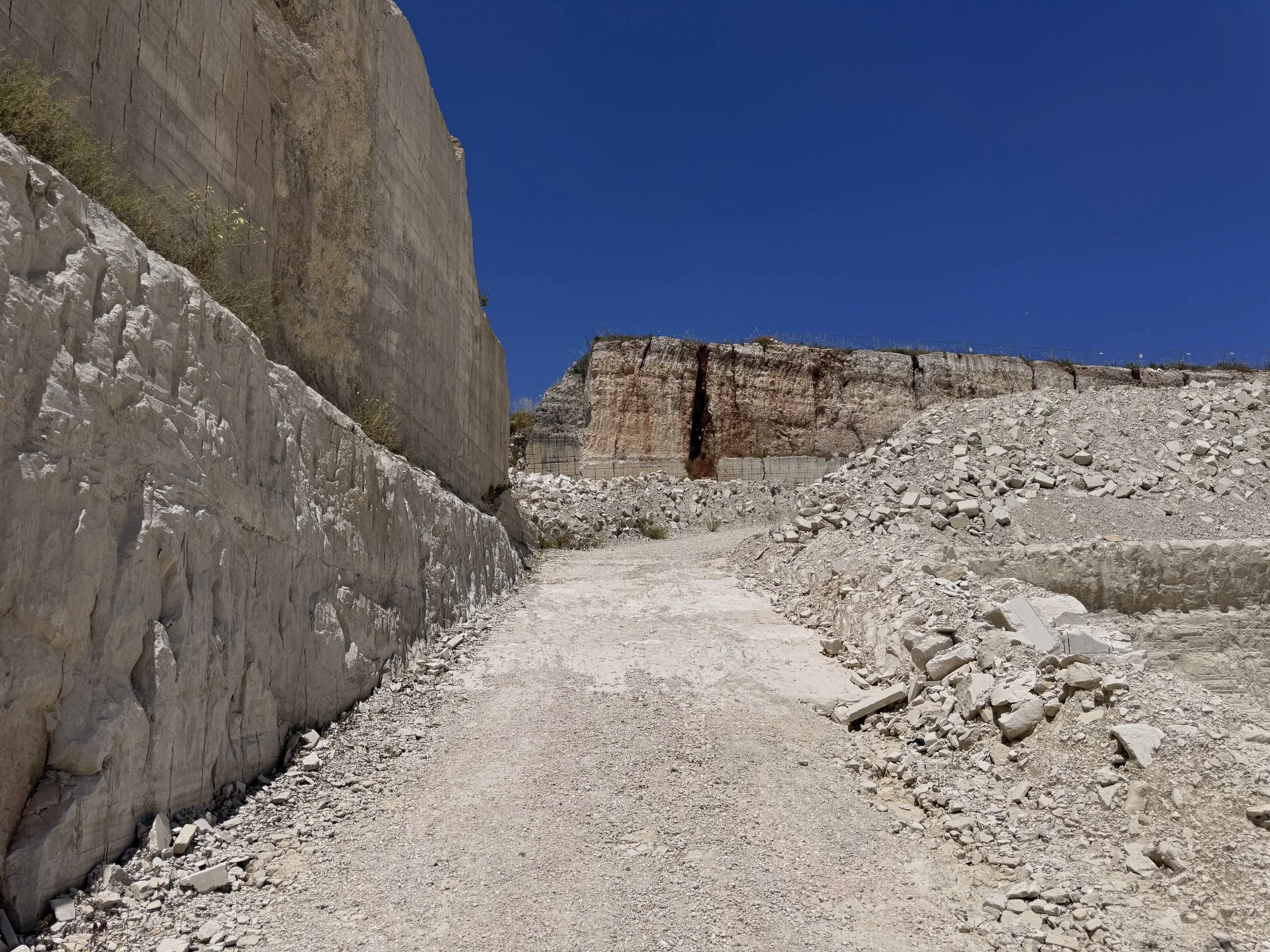
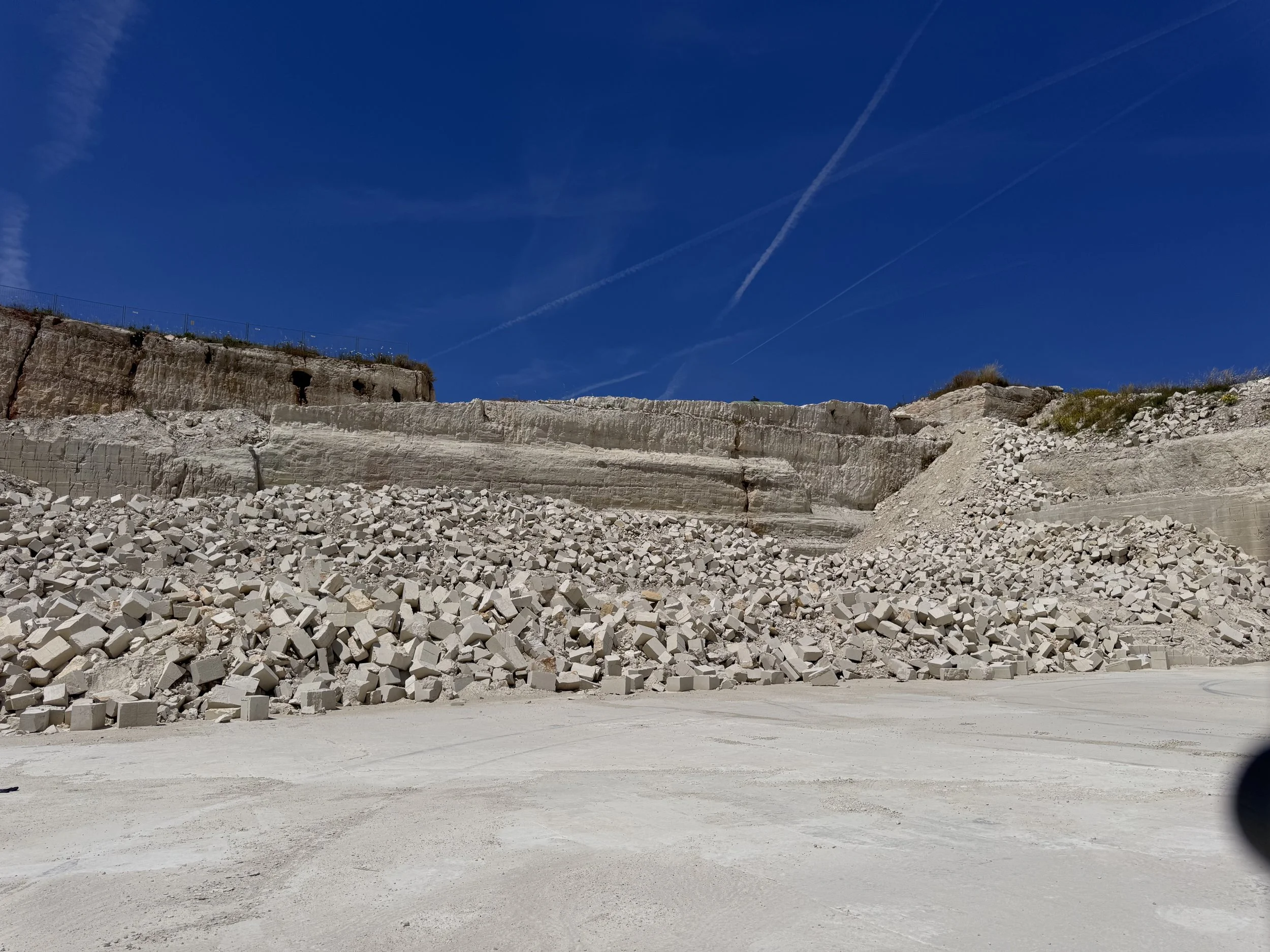
In response to this investigation I have been performing a prayer task in a local stone quarry — developing movement in solitude in the direct heat and stillness of Puglia. The material is being archived and developed into a contemporary movement film.
-
My practice - rooted in psychophysical training, clown, the ecstatic, the durational and film making - has always demanded a threshold state before work could start. Melpignano has proposed something different: that the threshold or frame itself creates the conditions, and that the body responds to the frame rather than the other way around. Melpignano has sent me material I couldn’t have planned for - a child’s story about a saint’s wounded hands that looked like lasagna, a fox under an oak tree, falling asleep in a church pew mid-prayer. I didn’t manufacture any of it.
Melpignano is drawing me down a path which is unveiling to me that the most alive material arrives before you know what to do with it, and that the only thing required during the encounter is to be in motion when it does. I arrived in Melpignano without a grammar for the place - no previous visit, no shortcut, no already negotiated relationship with its light or its heat or the particular weight of Salento history pressing up through the stones. The only way forward is to continue to allow this landscape to pass be me by and, to collide with what it has to say to me each day.
Creative task
To archive in the frame of 4 hours a journey through the city of Melpignano from a random location, the journey to the centre the city to encounter an angel.
ANGEL ENCOUNTER
Performer: Maria Papachristodoulou
Cinematography & Edit: Edward
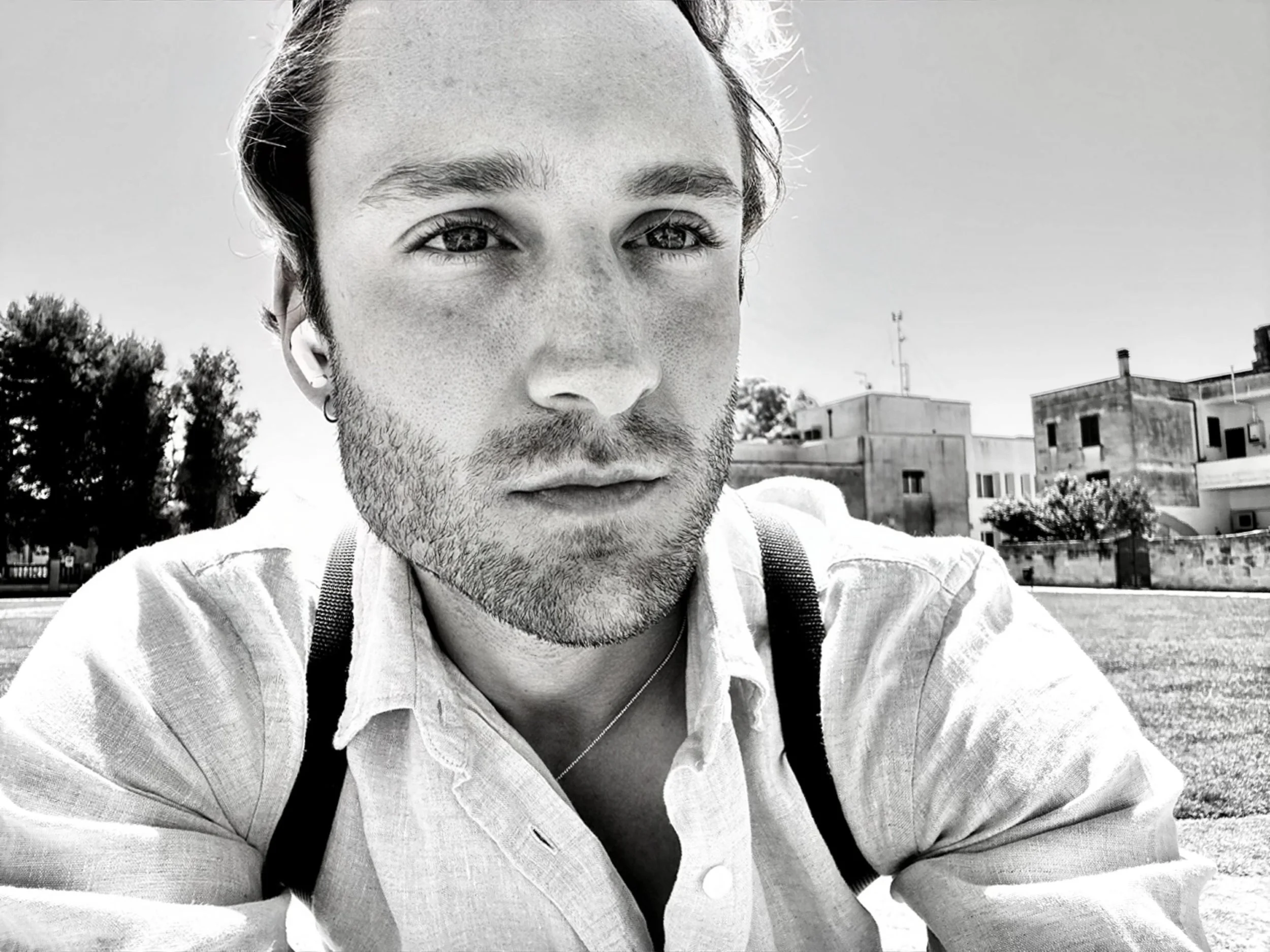
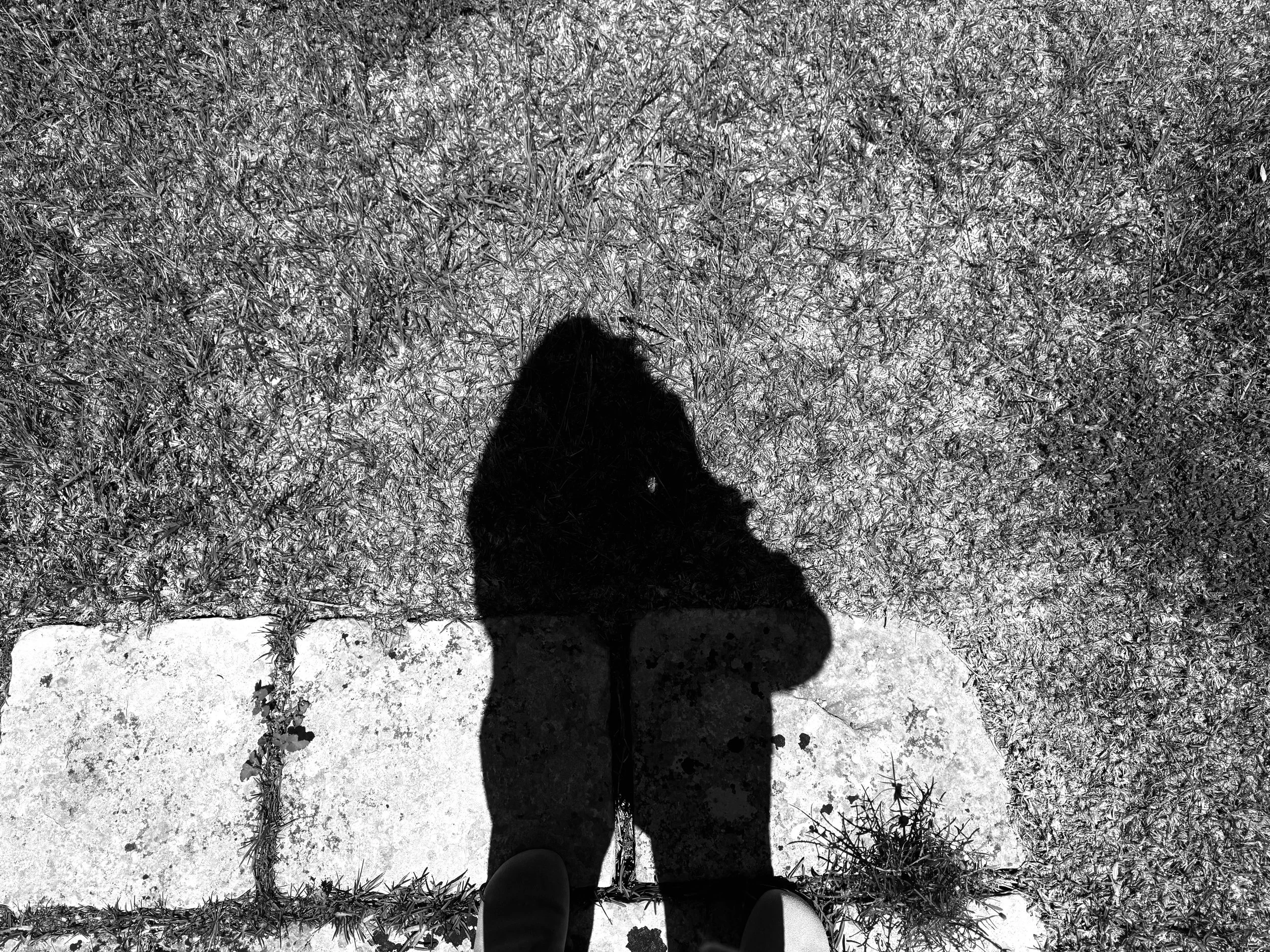
Self portrait Task
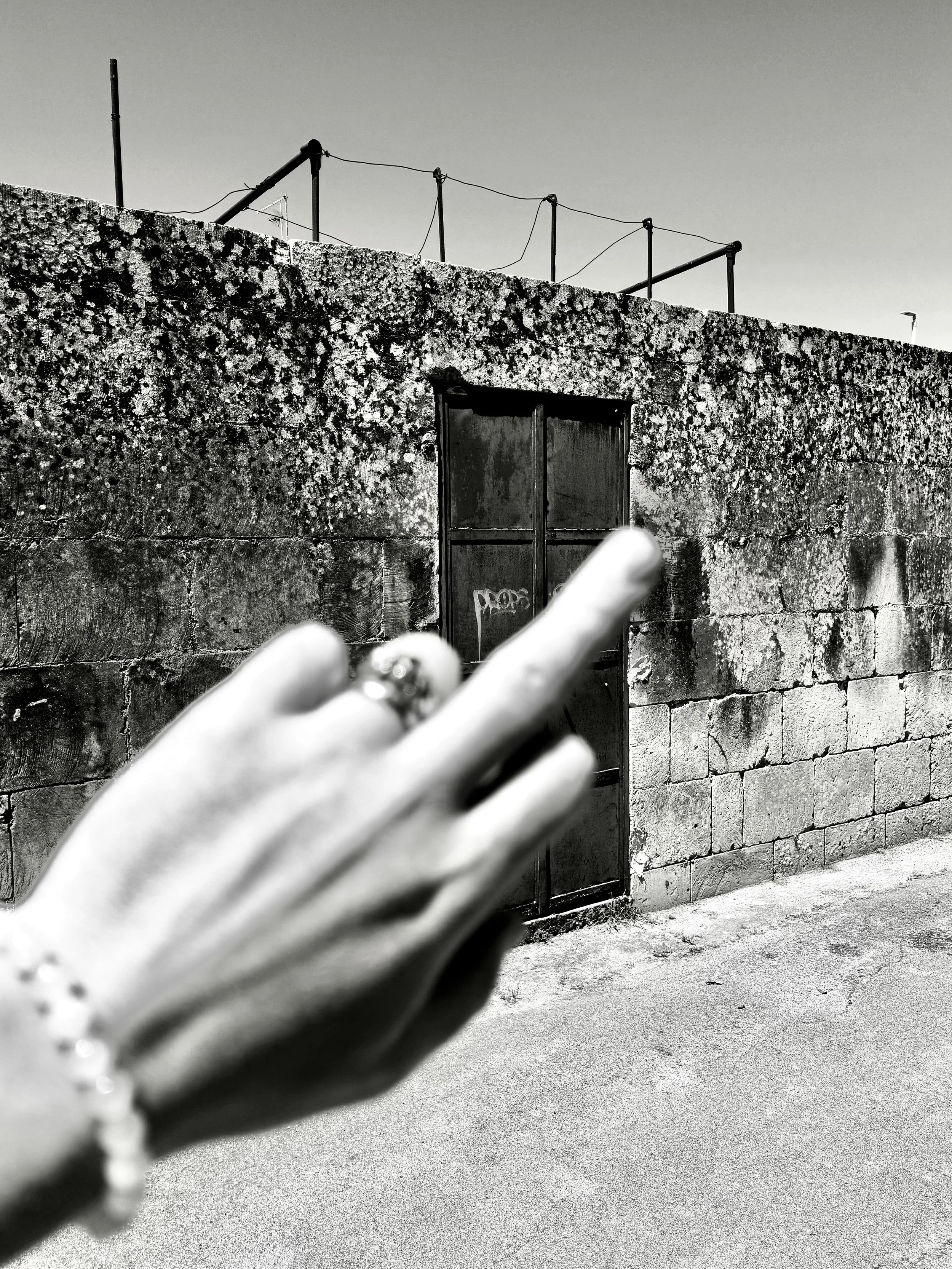
Film research task