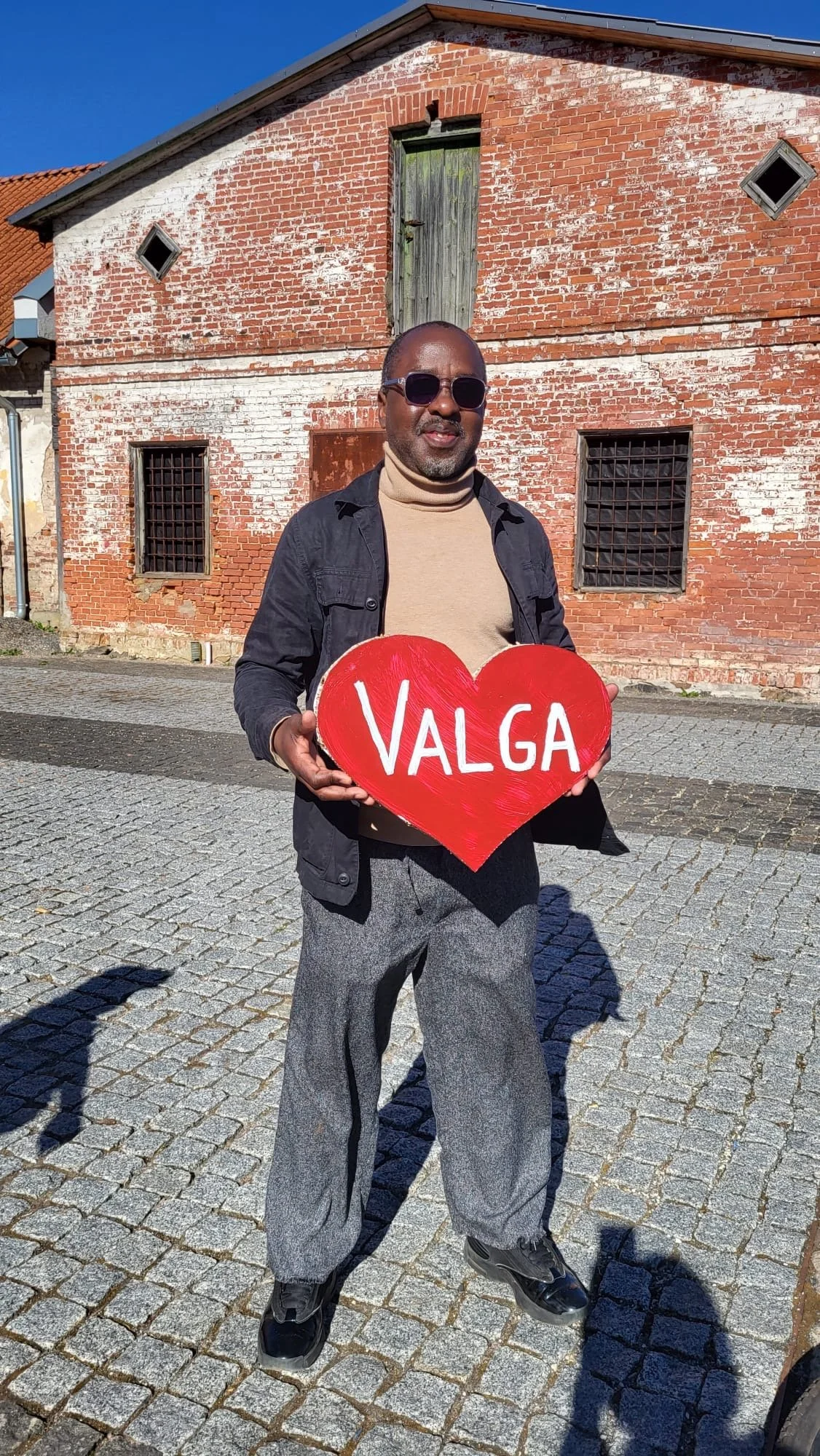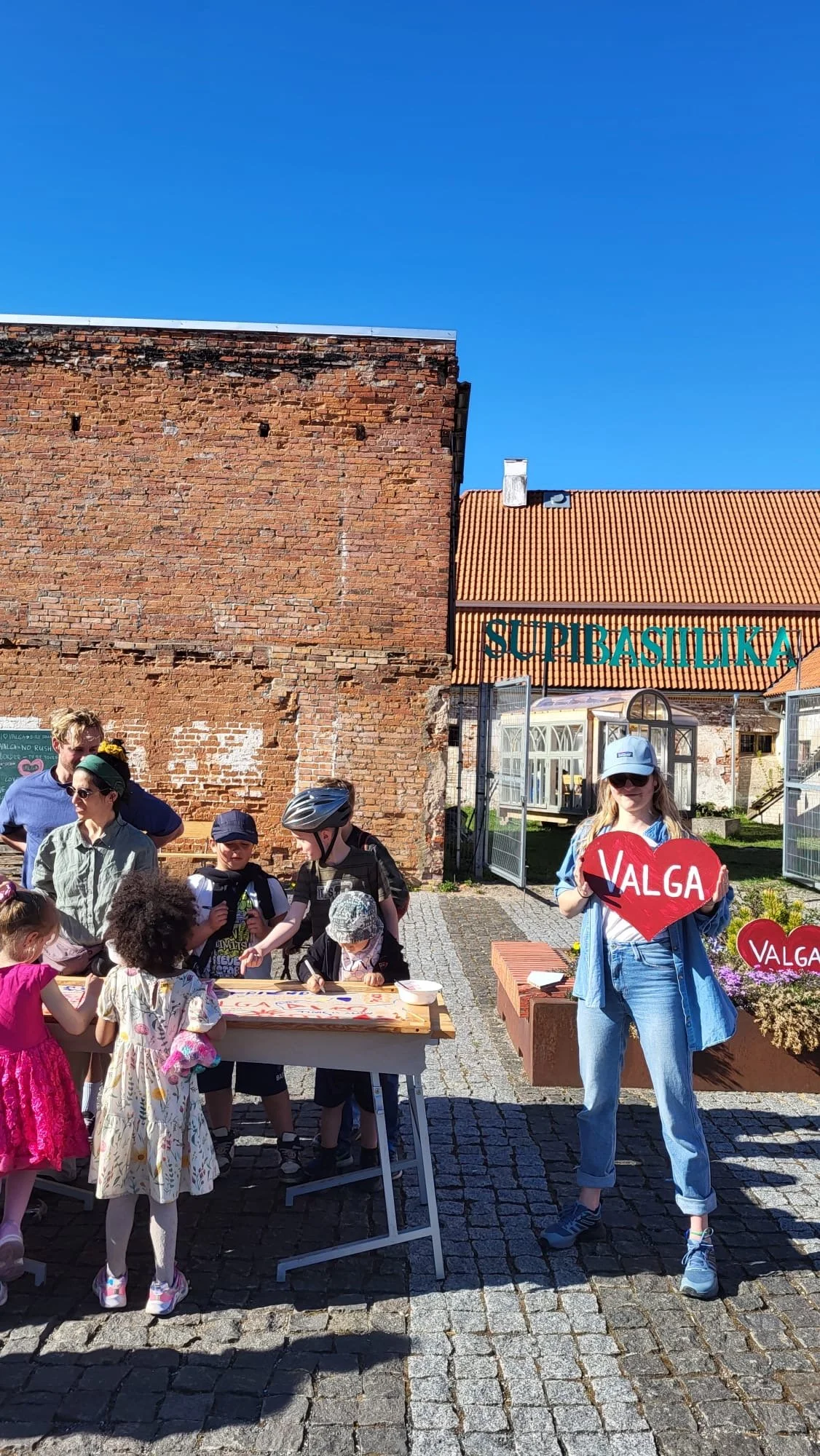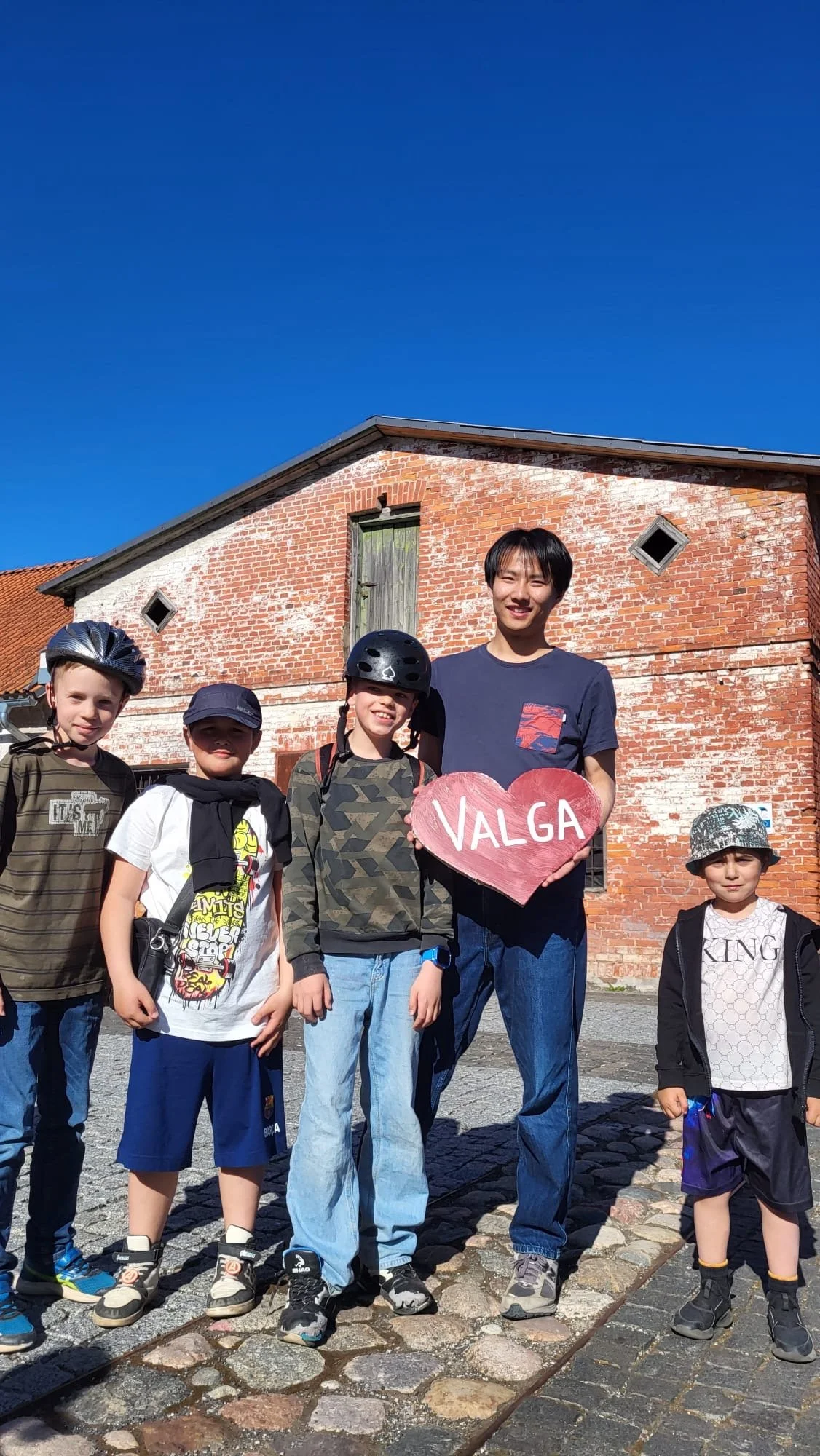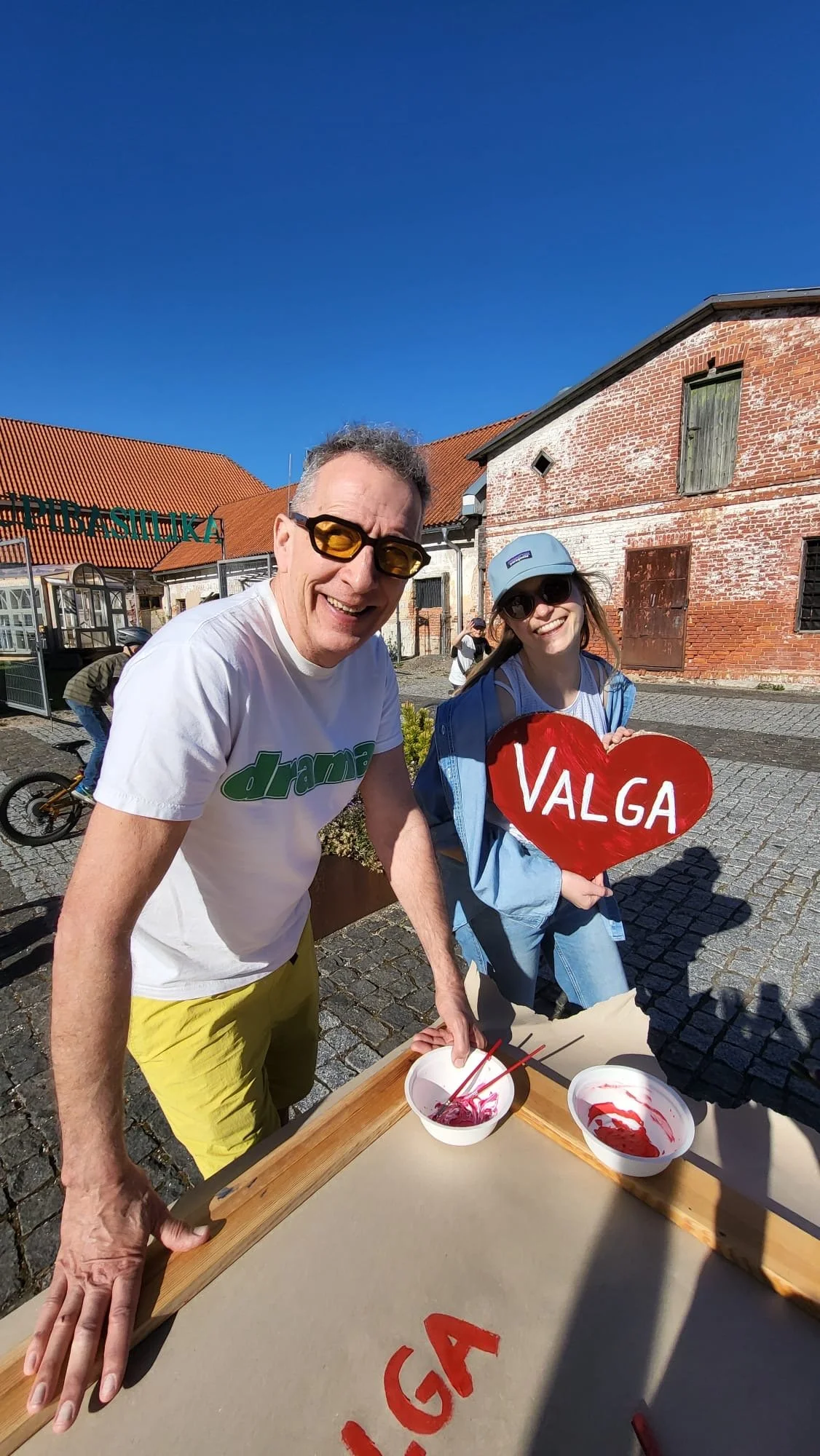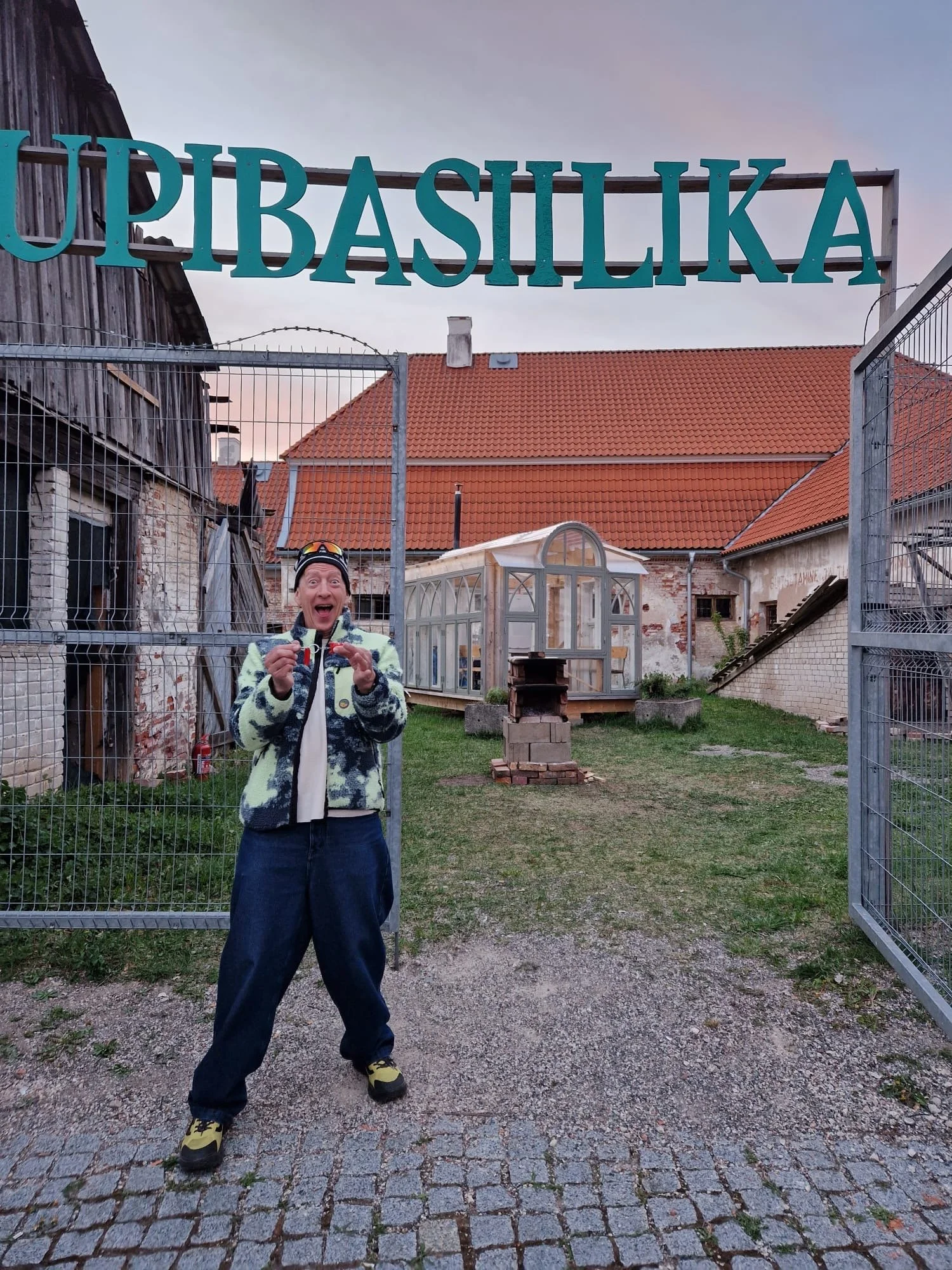
Valga Architecture Residency
CPPM Students Transform Valga into a Living Site for Performance, Architecture and Community Exchange.
About
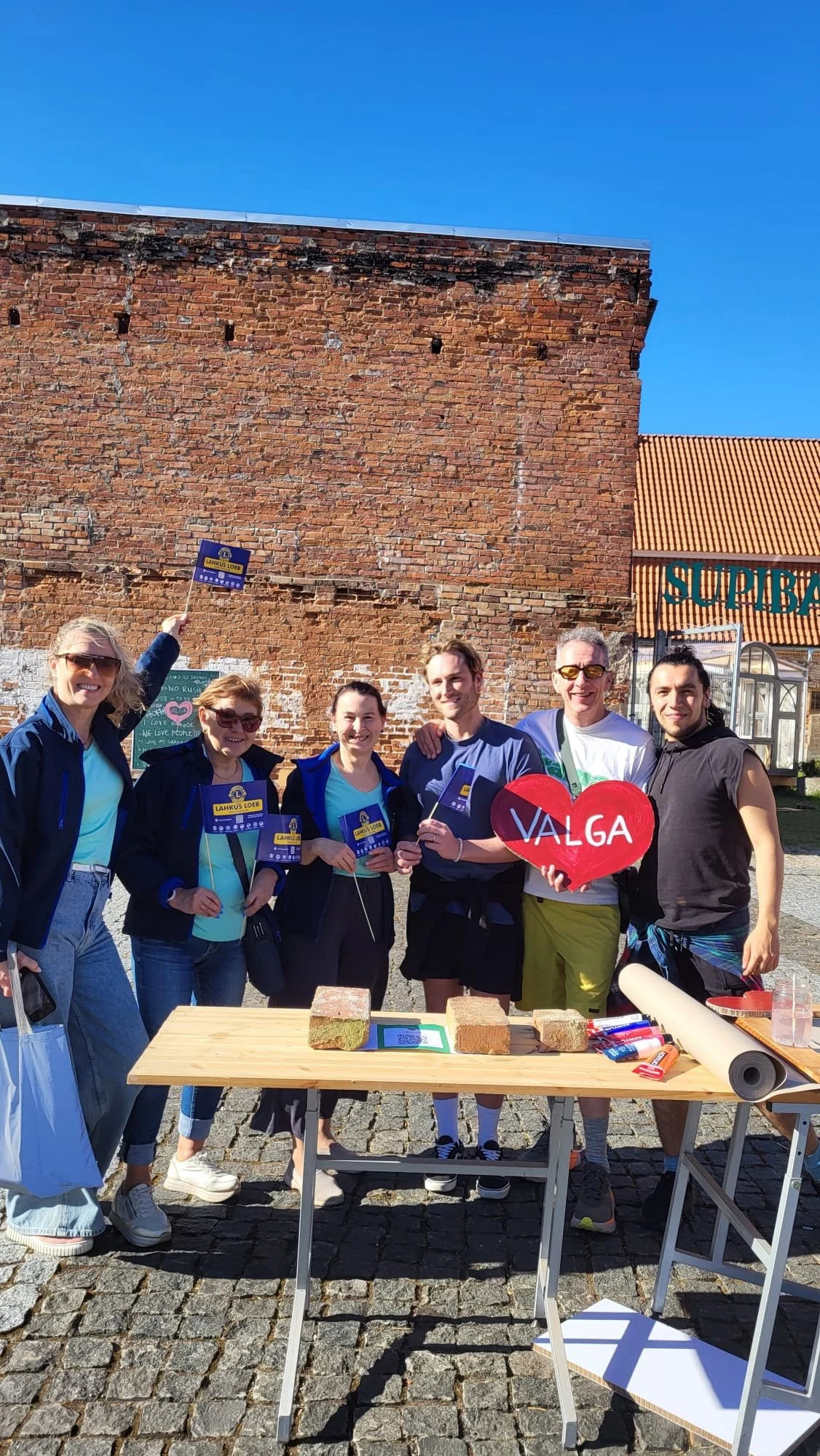
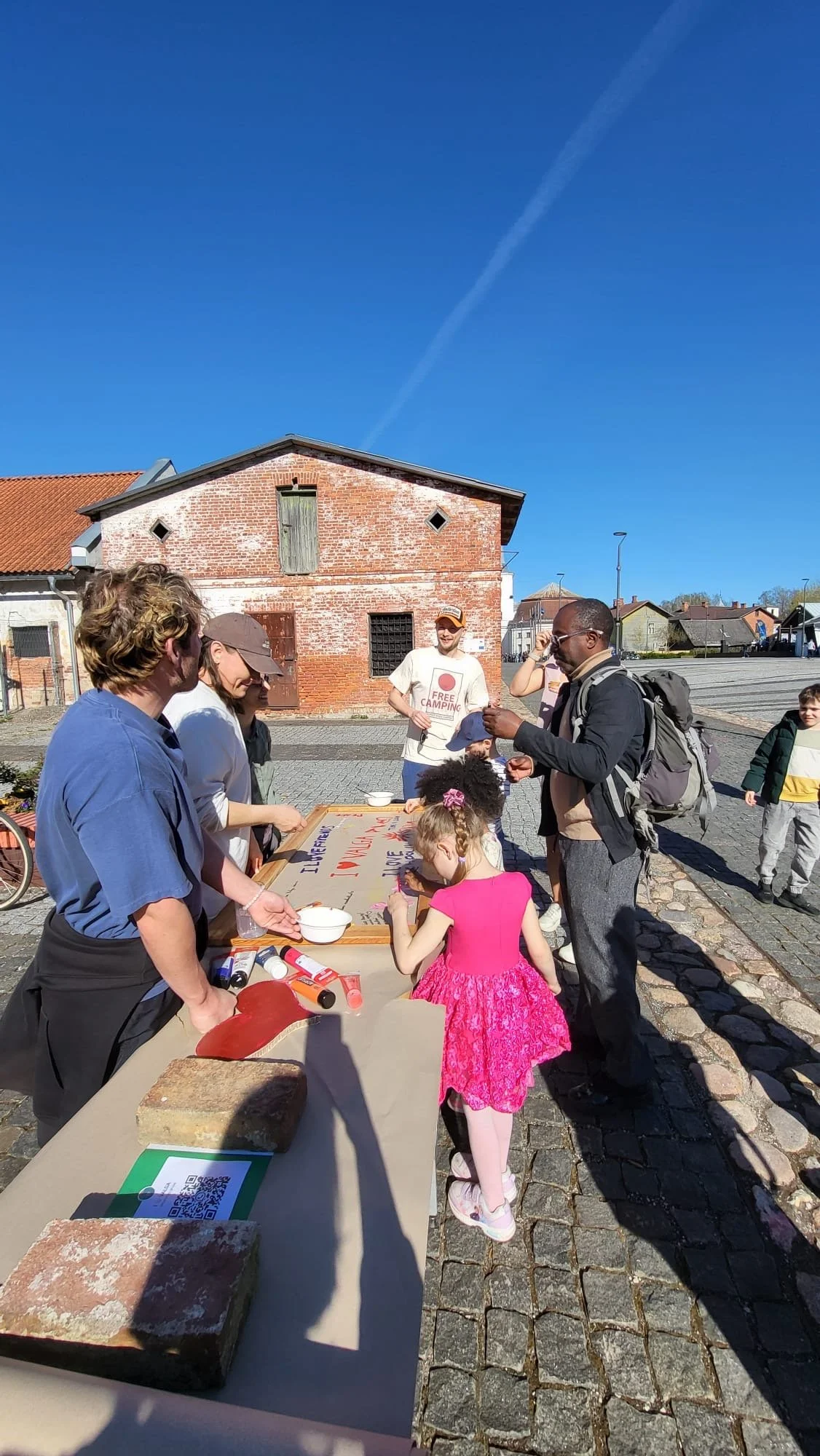
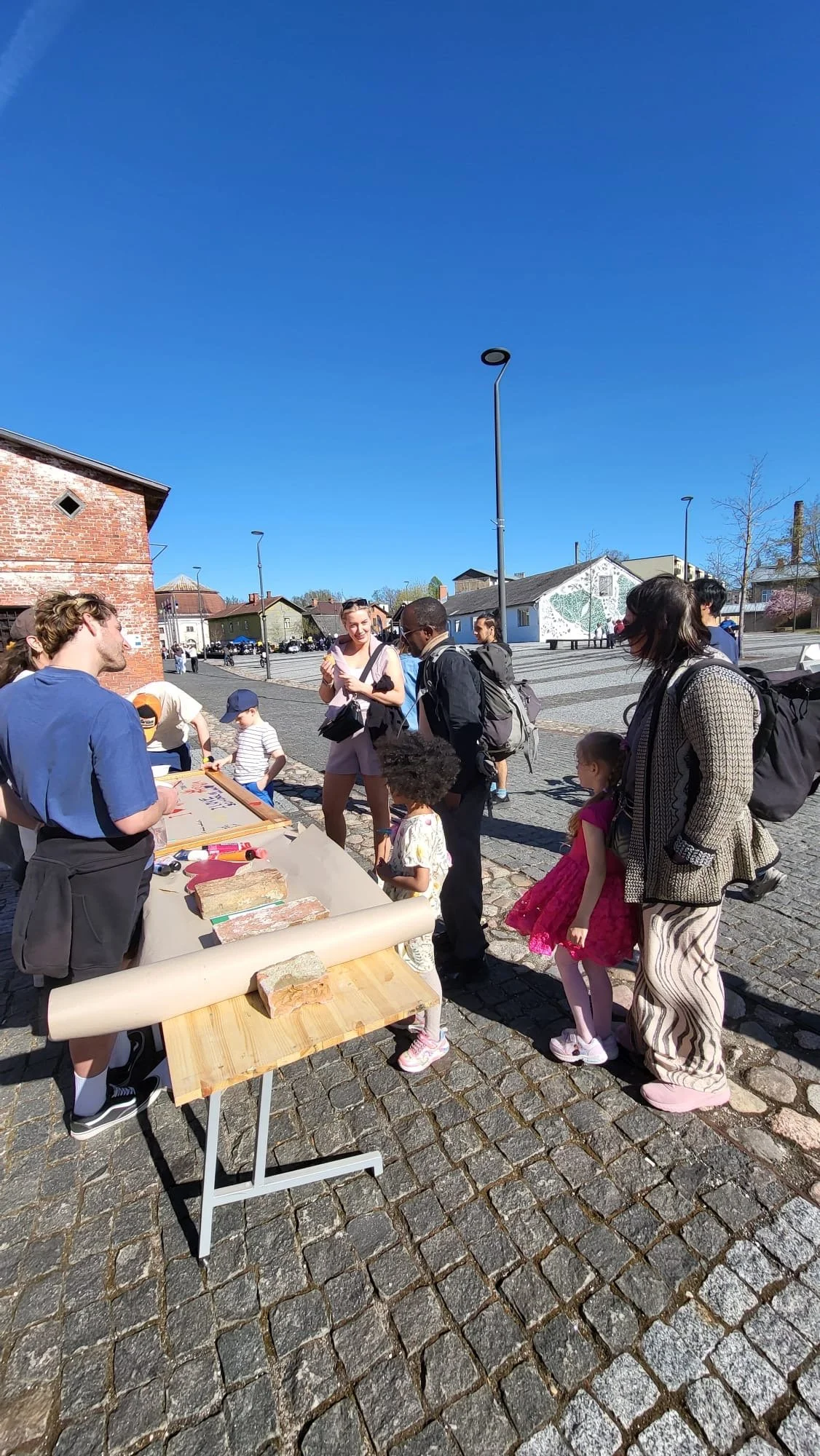
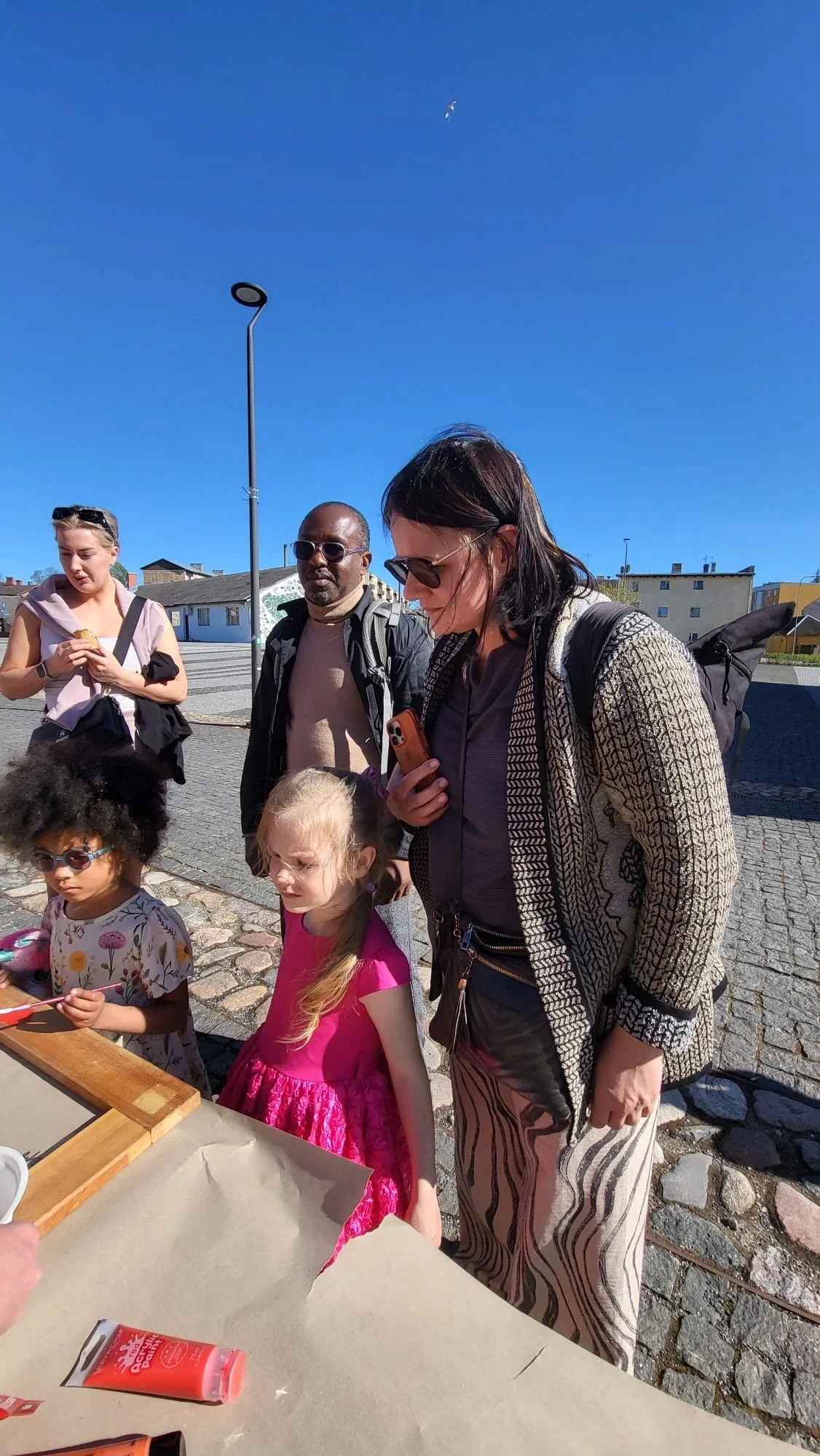
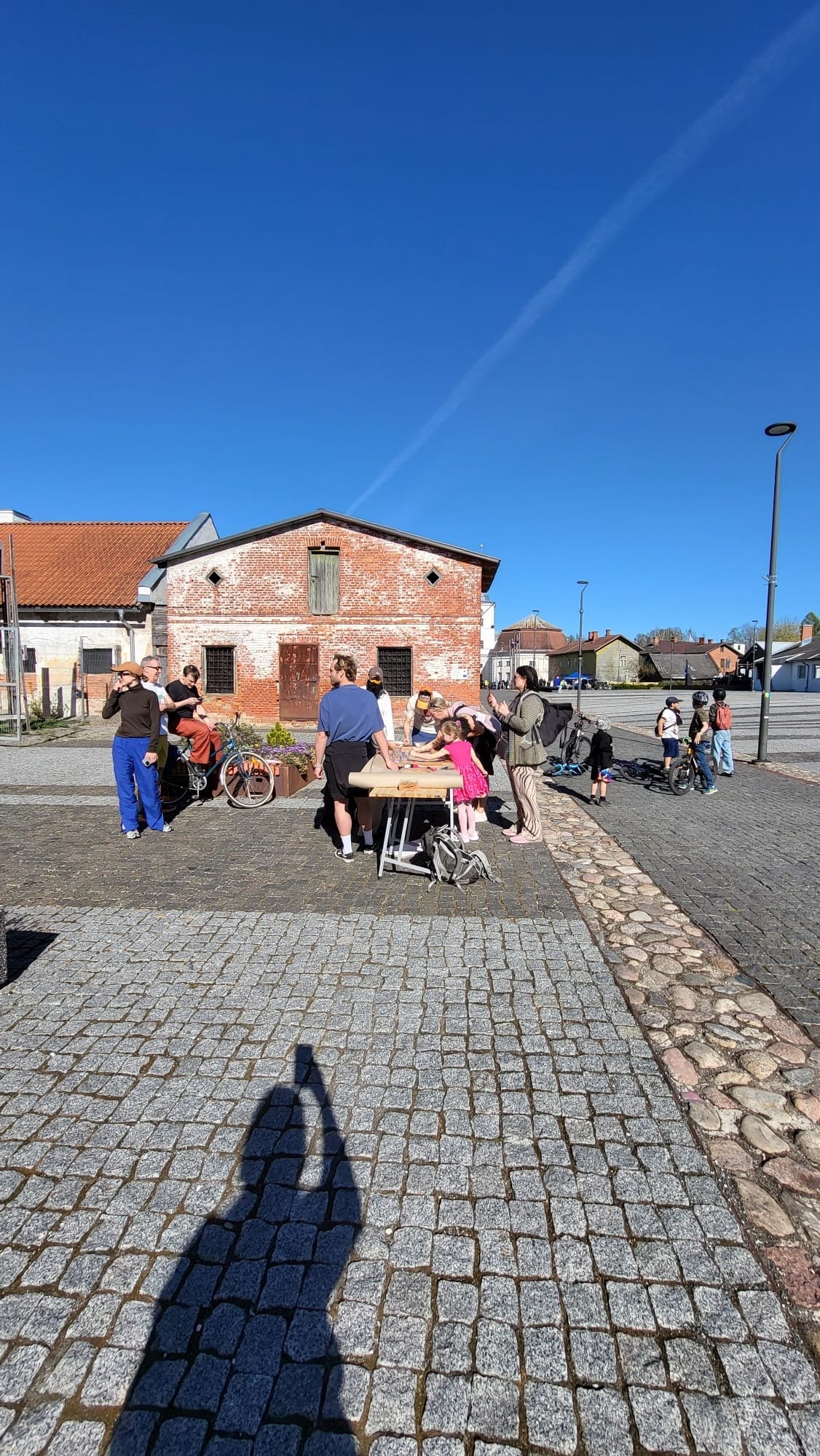
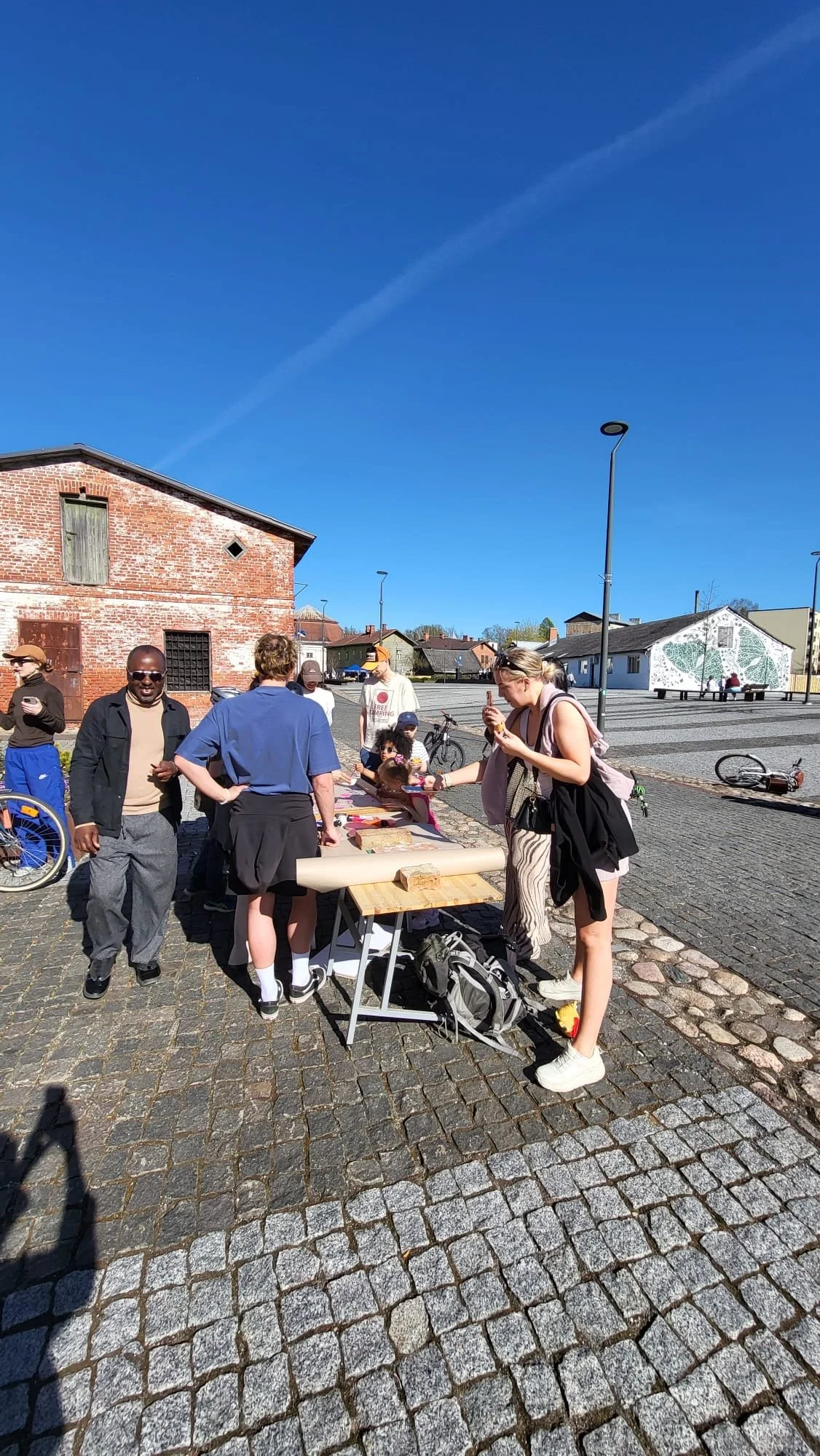
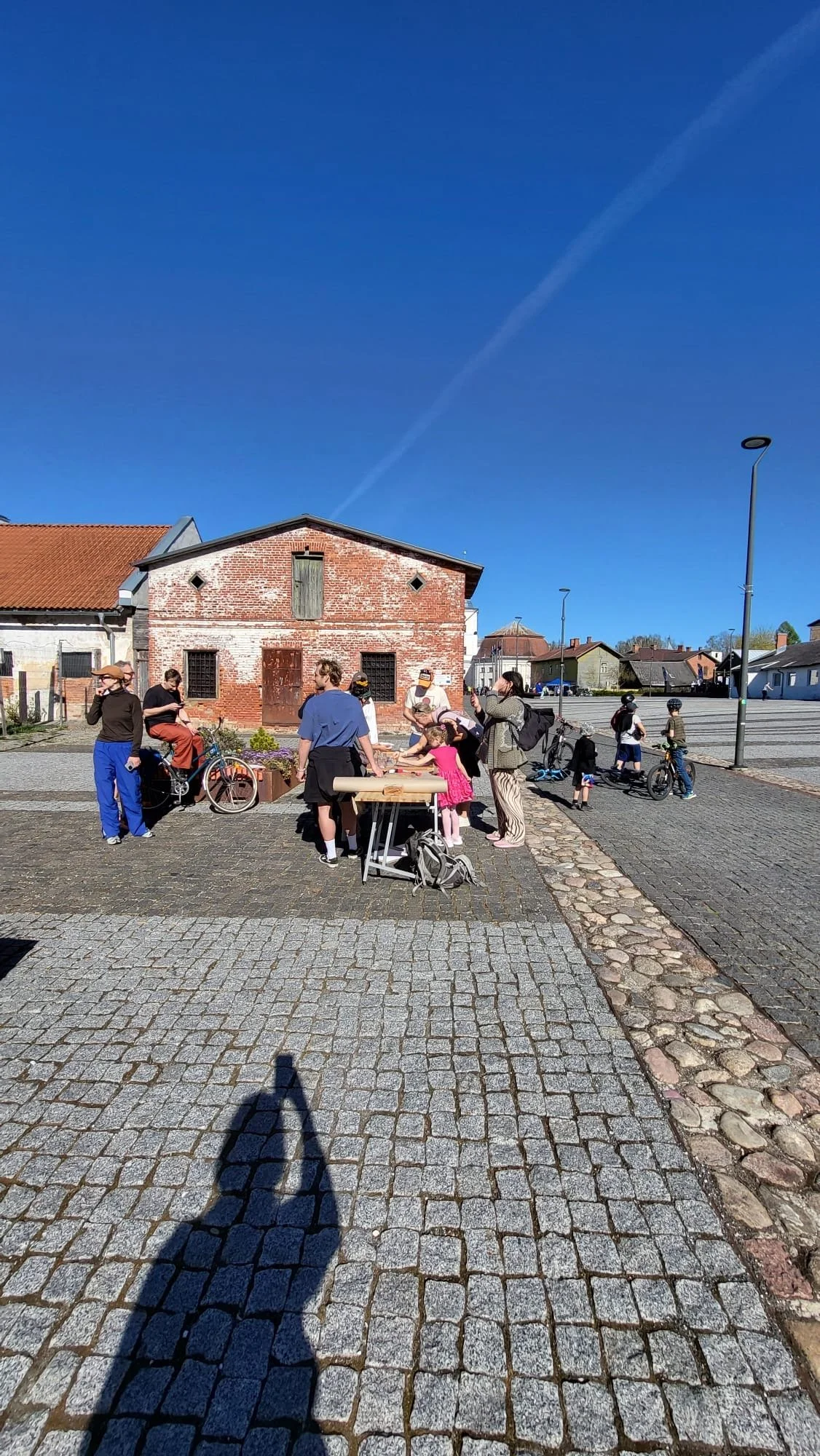
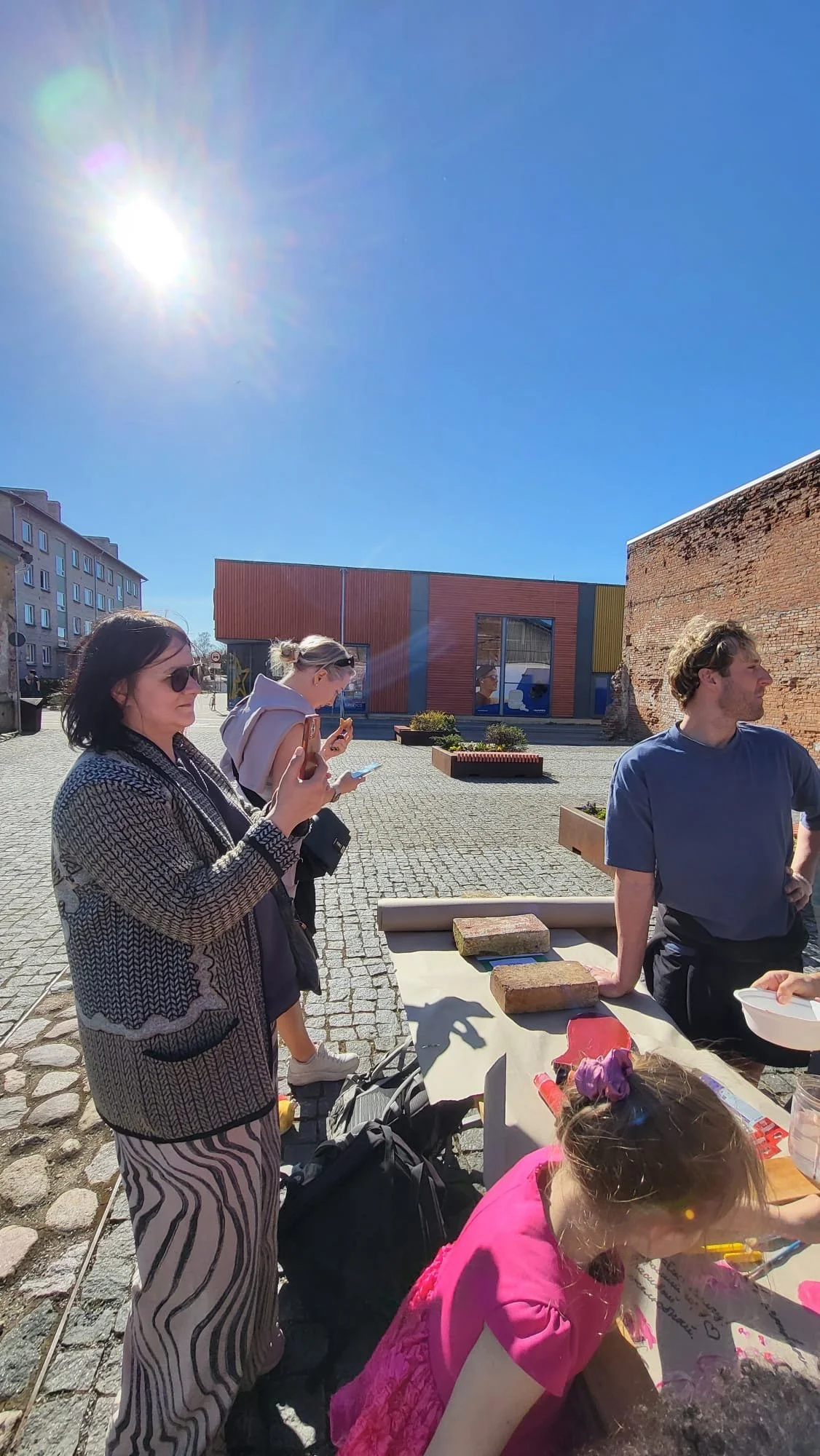
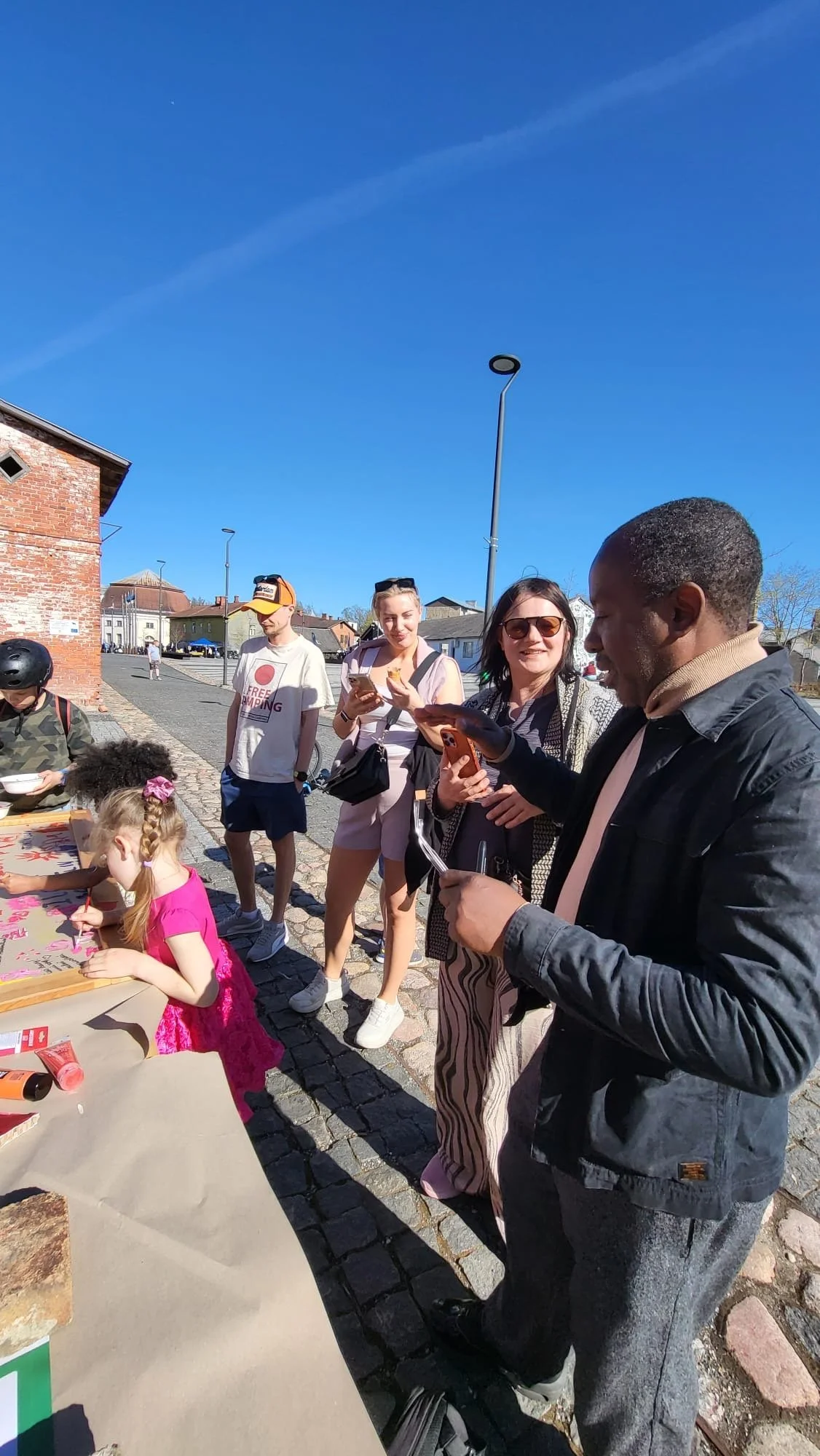
CPPM is welcoming its next artistic encounter, Valga/Valka: Space × Architecture × Performance, beginning on 29 April 2026 at VARES, the Valga Architecture Residency, on the Estonian Latvian border. For two weeks, students of the MA in Contemporary Physical Performance Making at the Estonian Academy of Music and Theatre are transforming the streets, public spaces and shared rhythms of Valga into a living site for performance, architecture, choreography and community exchange.
Lead by: Peader Kirk, Mona Camille and Olivier Van Den Hende.
From the black box to the streets of Valga
After twelve months of intensive work in the black box studio in Tallinn, CPPM students are stepping into a new phase of their artistic journey. Valga becomes their threshold: the point where studio-based training opens into public space practice, site-specific performance, community encounter and the wider international residencies that will soon take them onwards to Italy and Greece.
The residency explores Valga and Valka as a unique cultural, spatial and geopolitical border-space. Students are investigating how architecture, movement, local histories, public encounters and the material layers of the town can become starting points for performance making, compositional structures and dramaturgical thinking. Here, the town is not a backdrop. It is a collaborator, a host, a map, a score and a stage.
Performance, architecture, mapping and the gift
During the residency, CPPM students have been working with Mona Camille, Seychellois German set and costume designer; Olivier Van Den Hende, actor and director from the USA and France; and Peader Kirk, Irish British performance maker. In dialogue with the architects and place-making practices of VARES, they have explored how bodies read space, how public places carry memory, and how performance can emerge from direct attention to where we are.
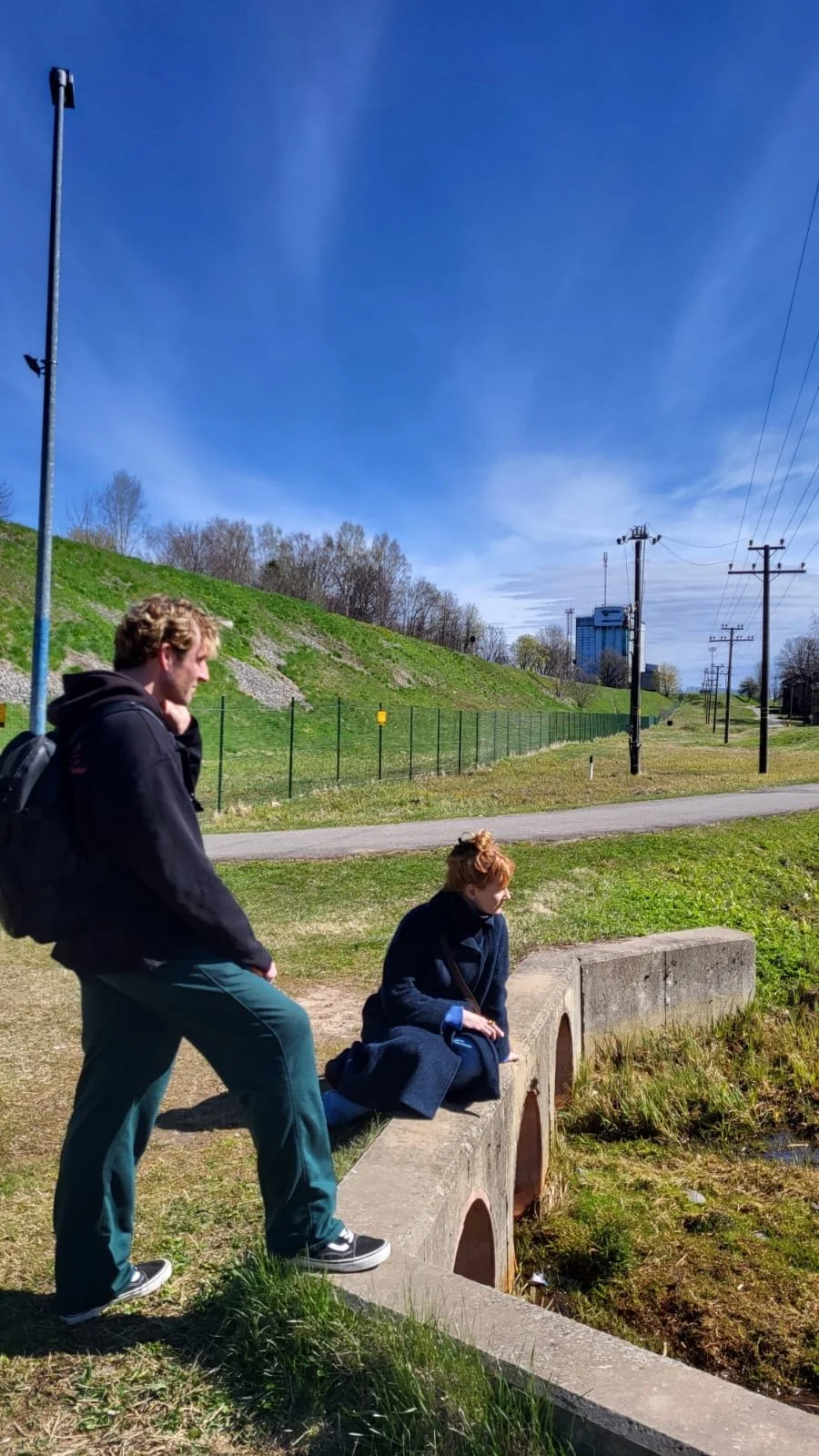
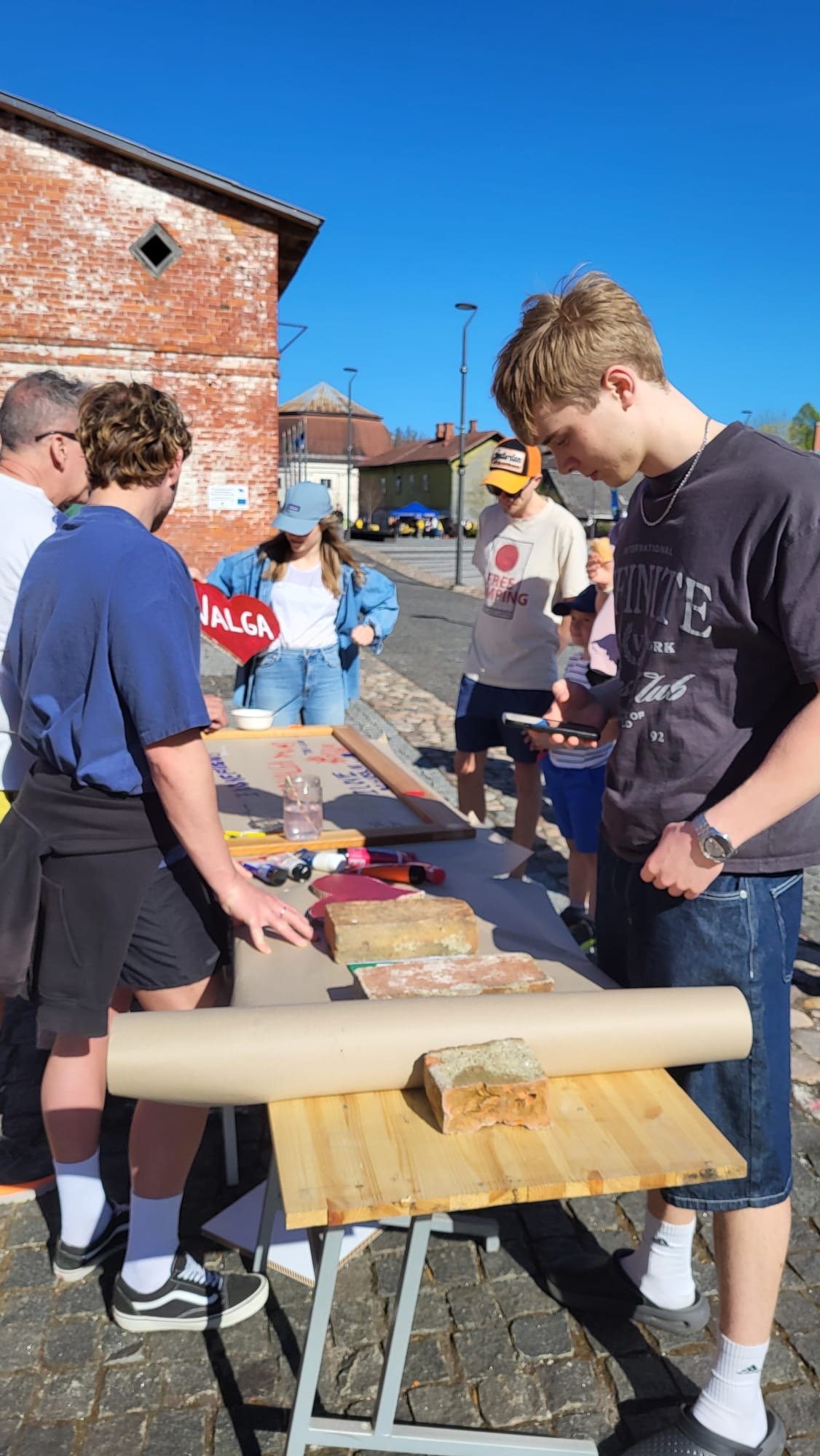
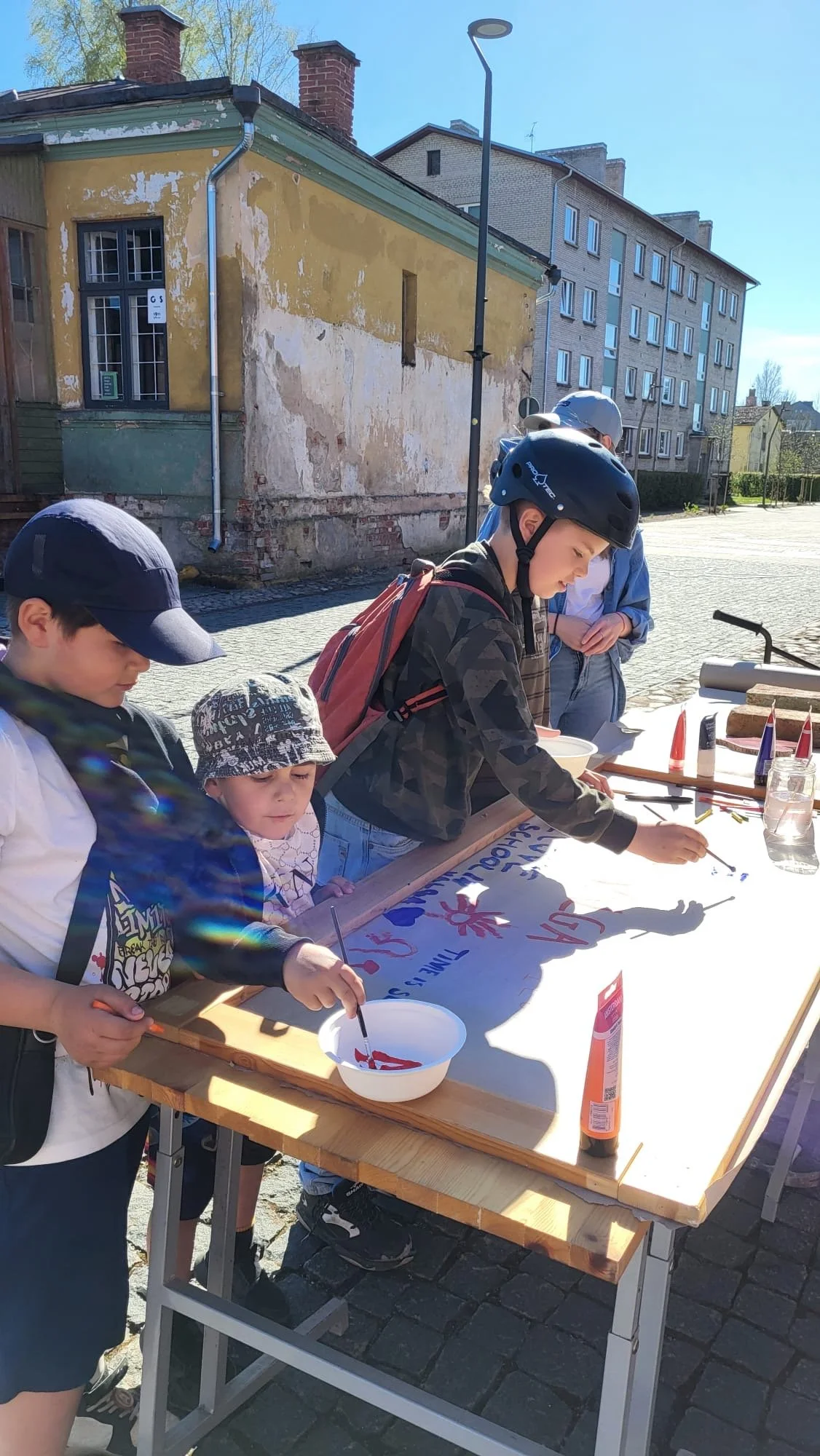
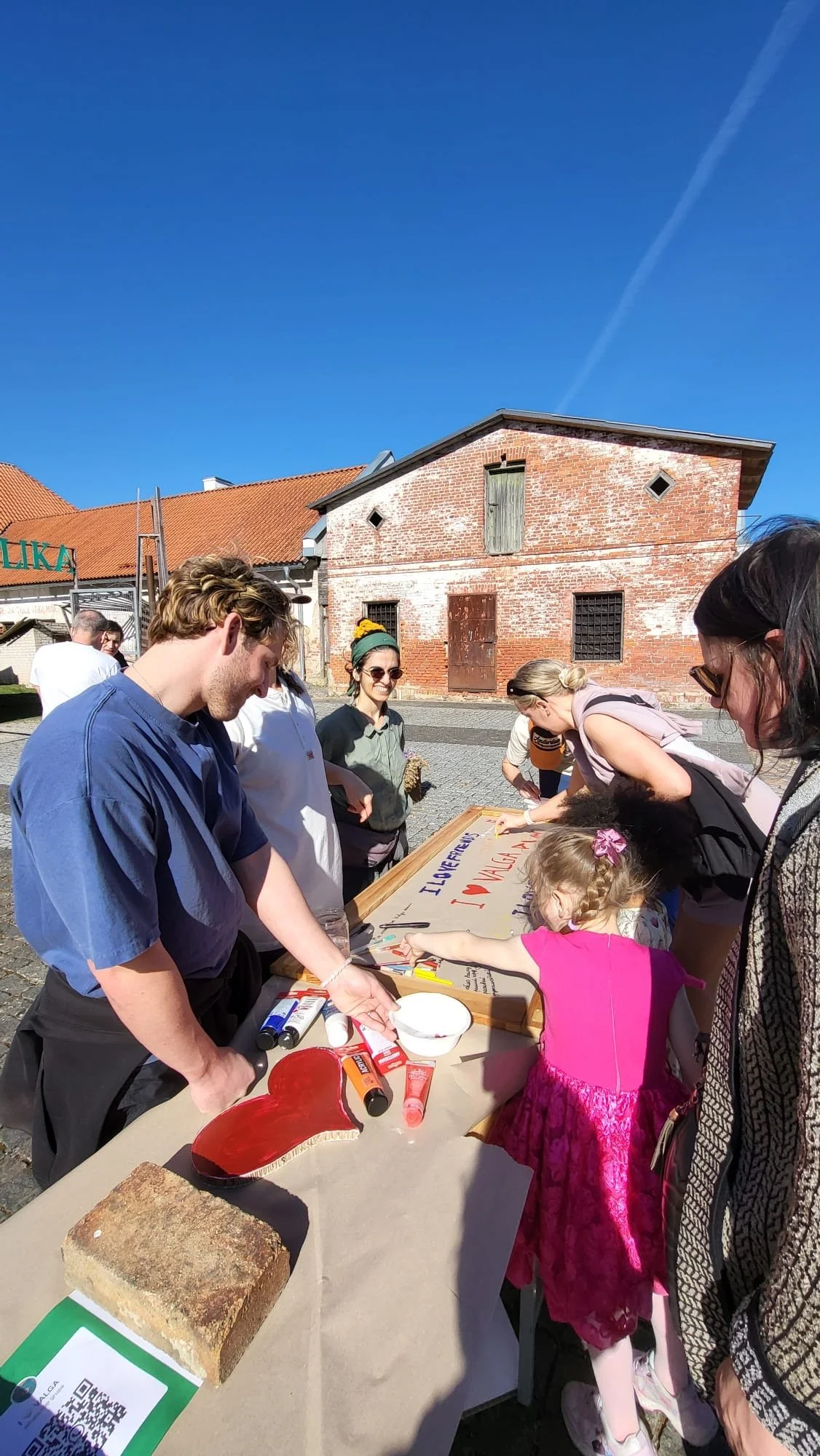
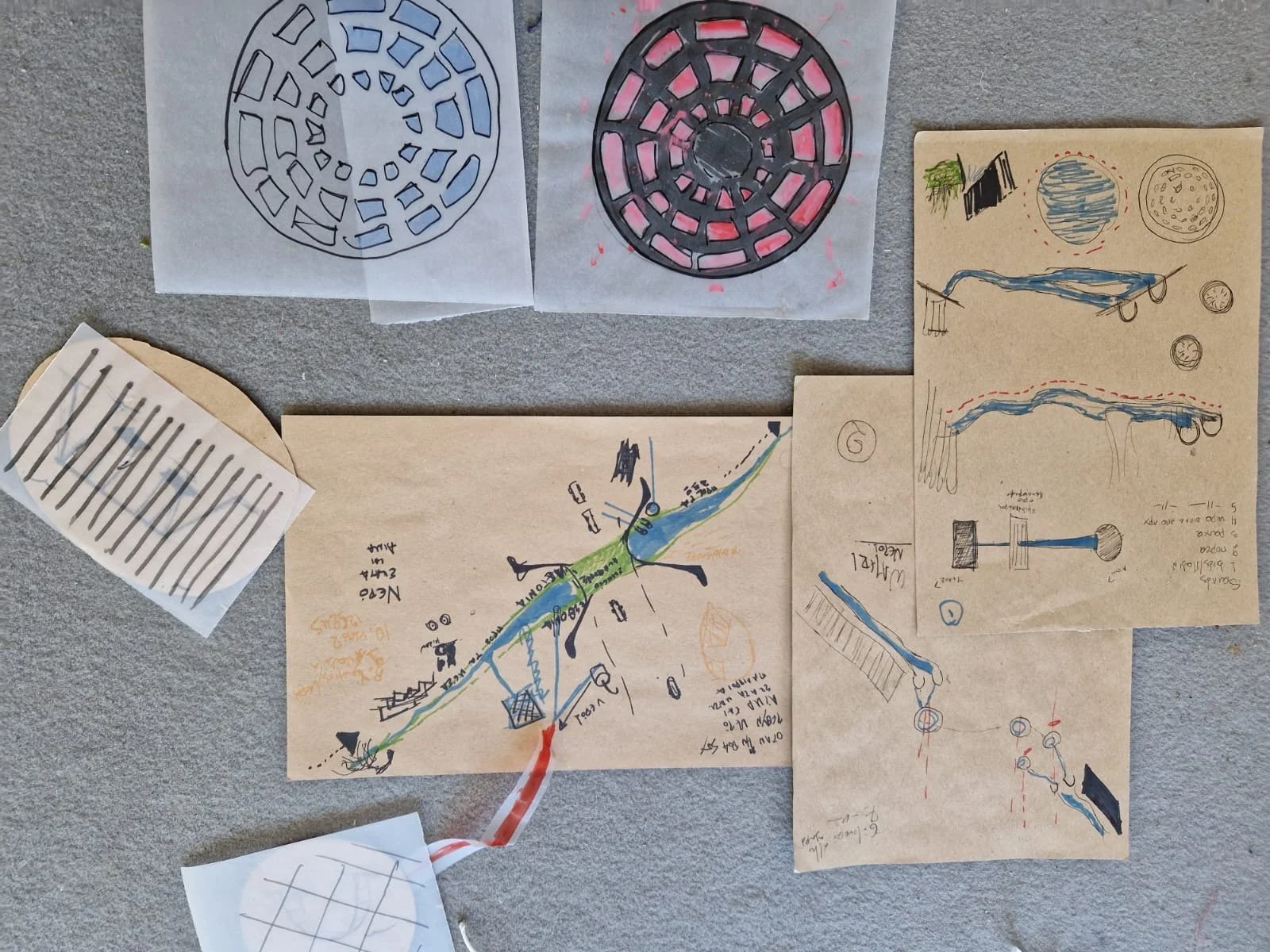
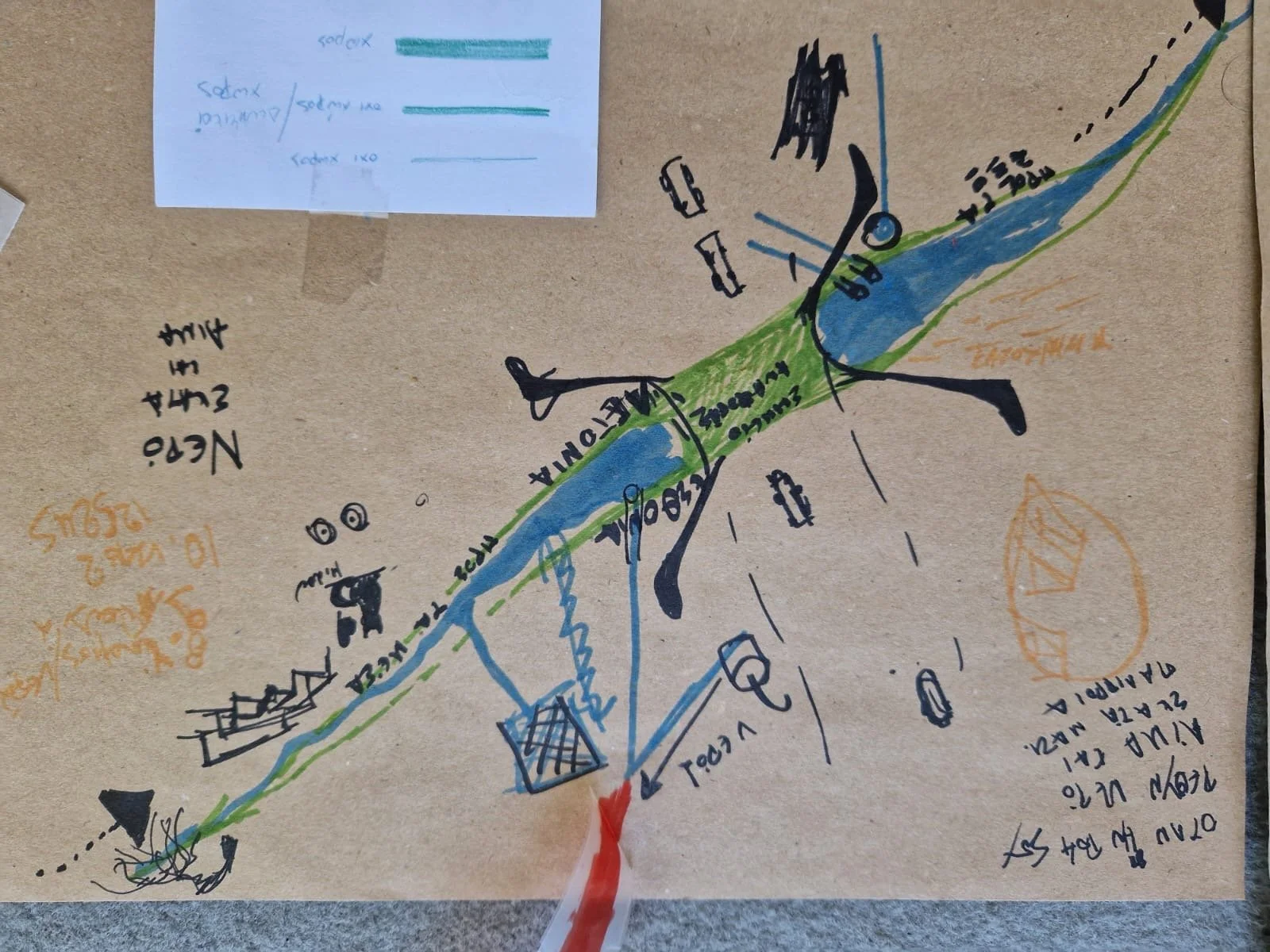
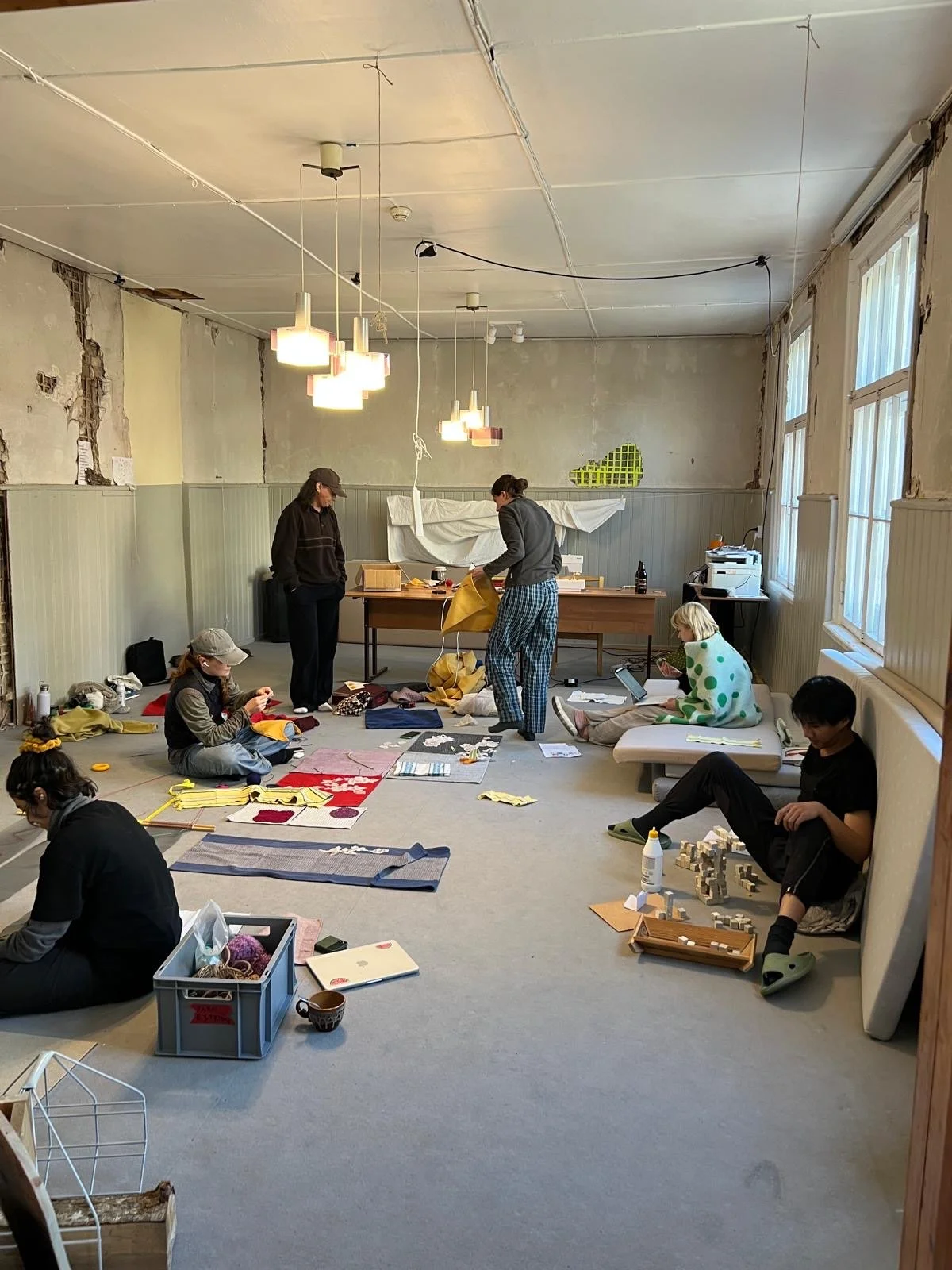
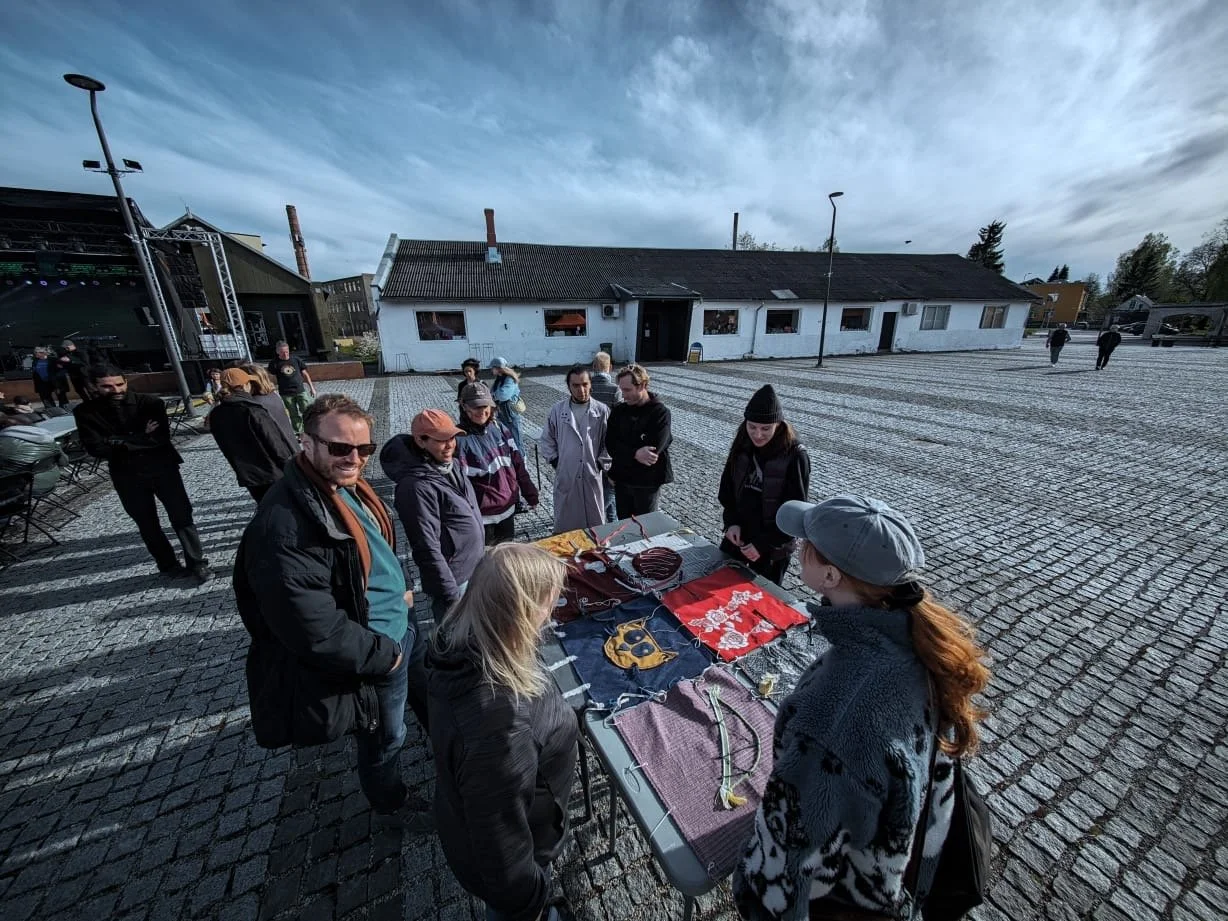
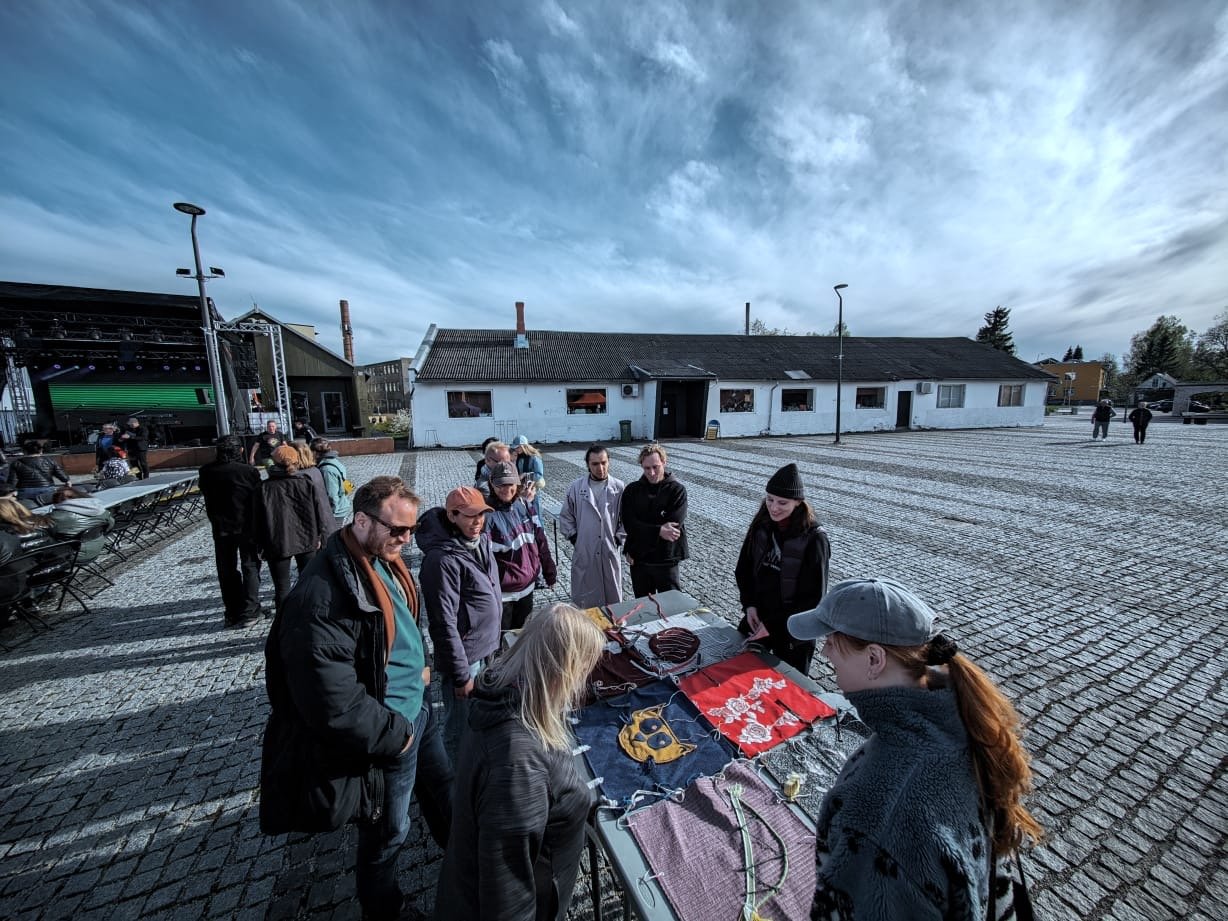
Their process has included site-specific performance, site-responsive performance practice, embodied enquiry, spatial observation, walking practices, performative mapping, devising, urban performance, relational aesthetics, crafting with found materials and guerrilla filmmaking. Alongside this, the students have been thinking with the Situationist International, the films of Elia Kazan and Marcel Mauss’ writing on The Gift: asking what it means to arrive in a place, to be welcomed, to create in public and to offer something back.
Join CPPM in Valga on Friday, 8 May 2026
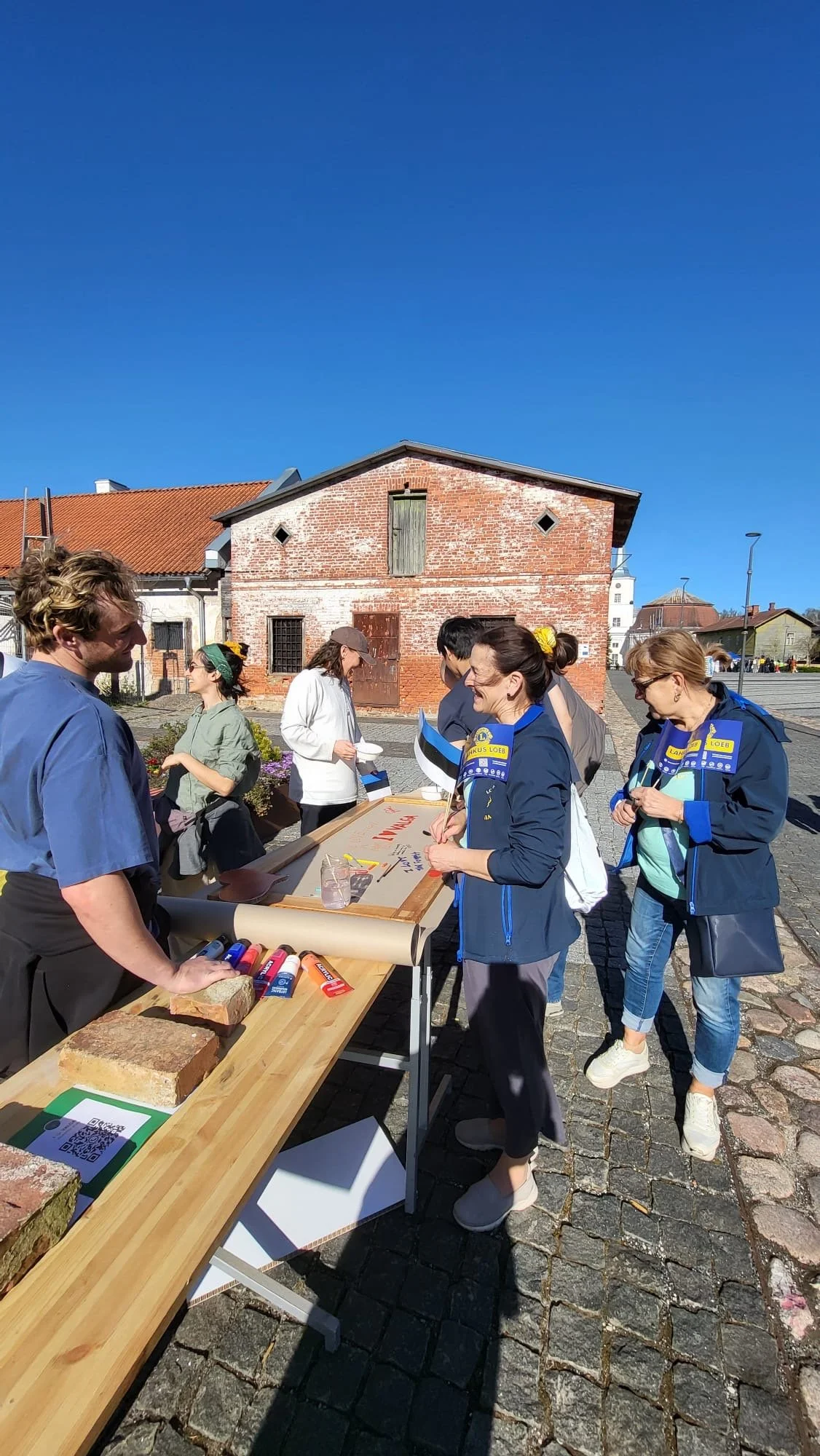
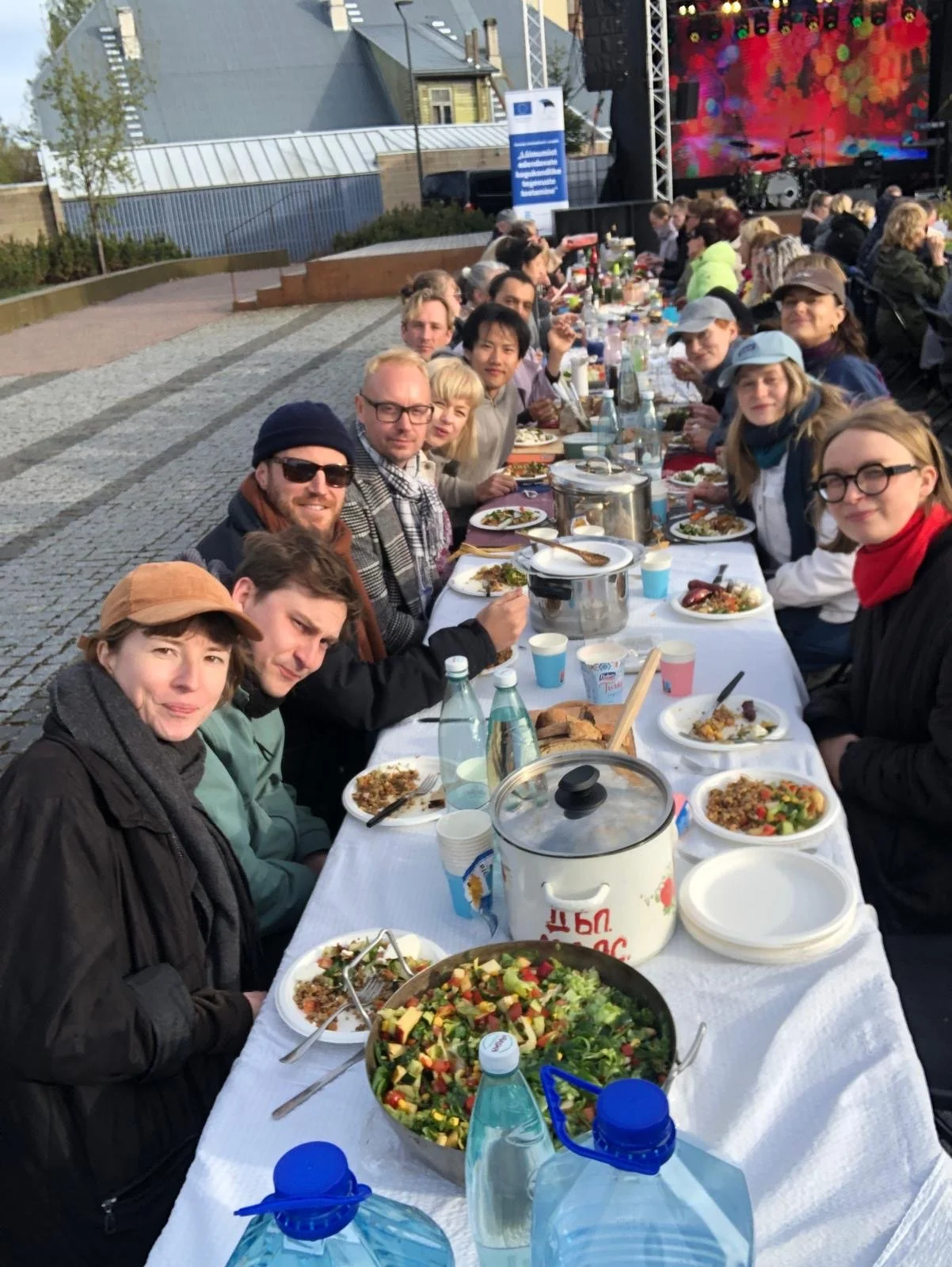
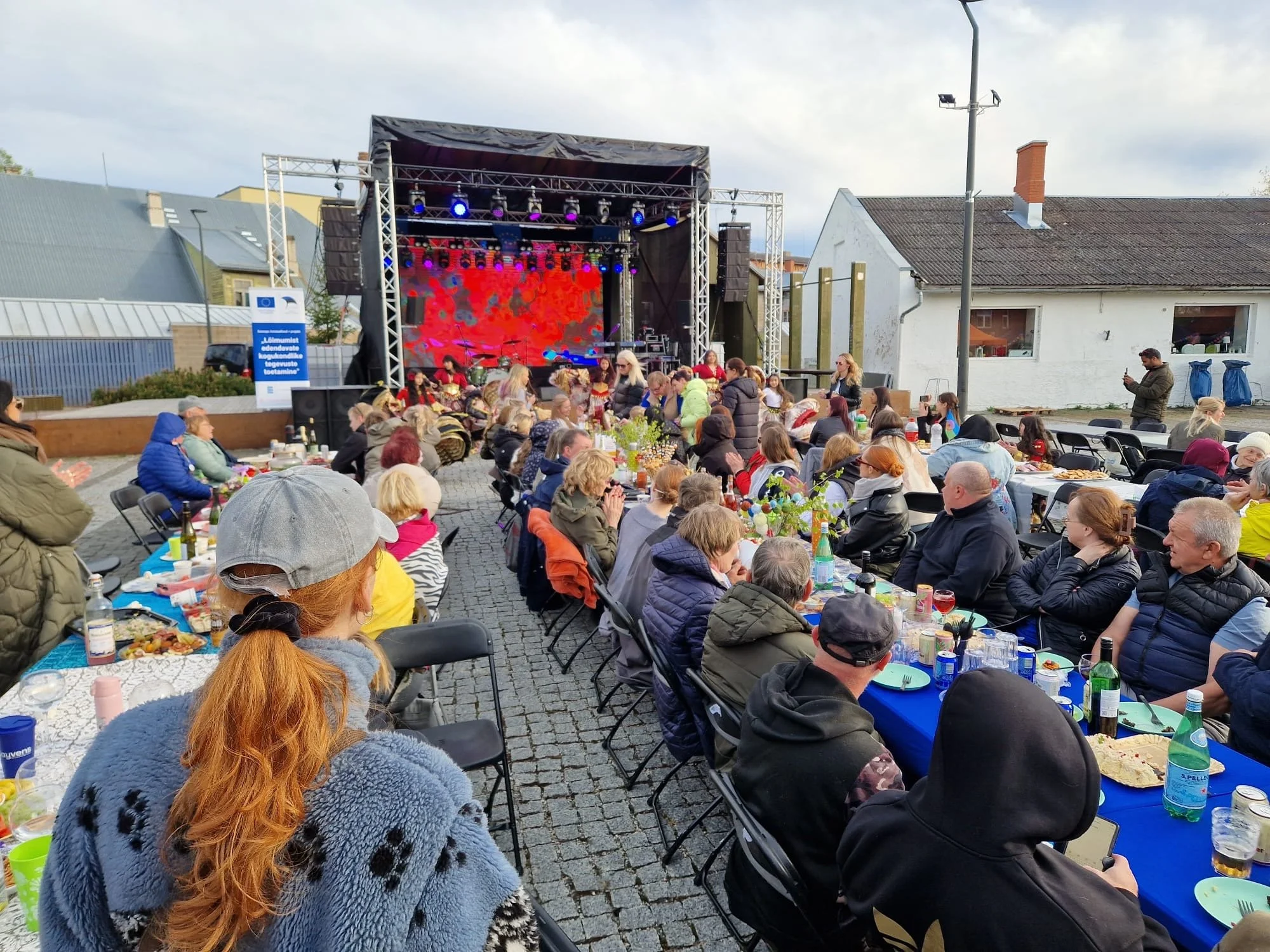
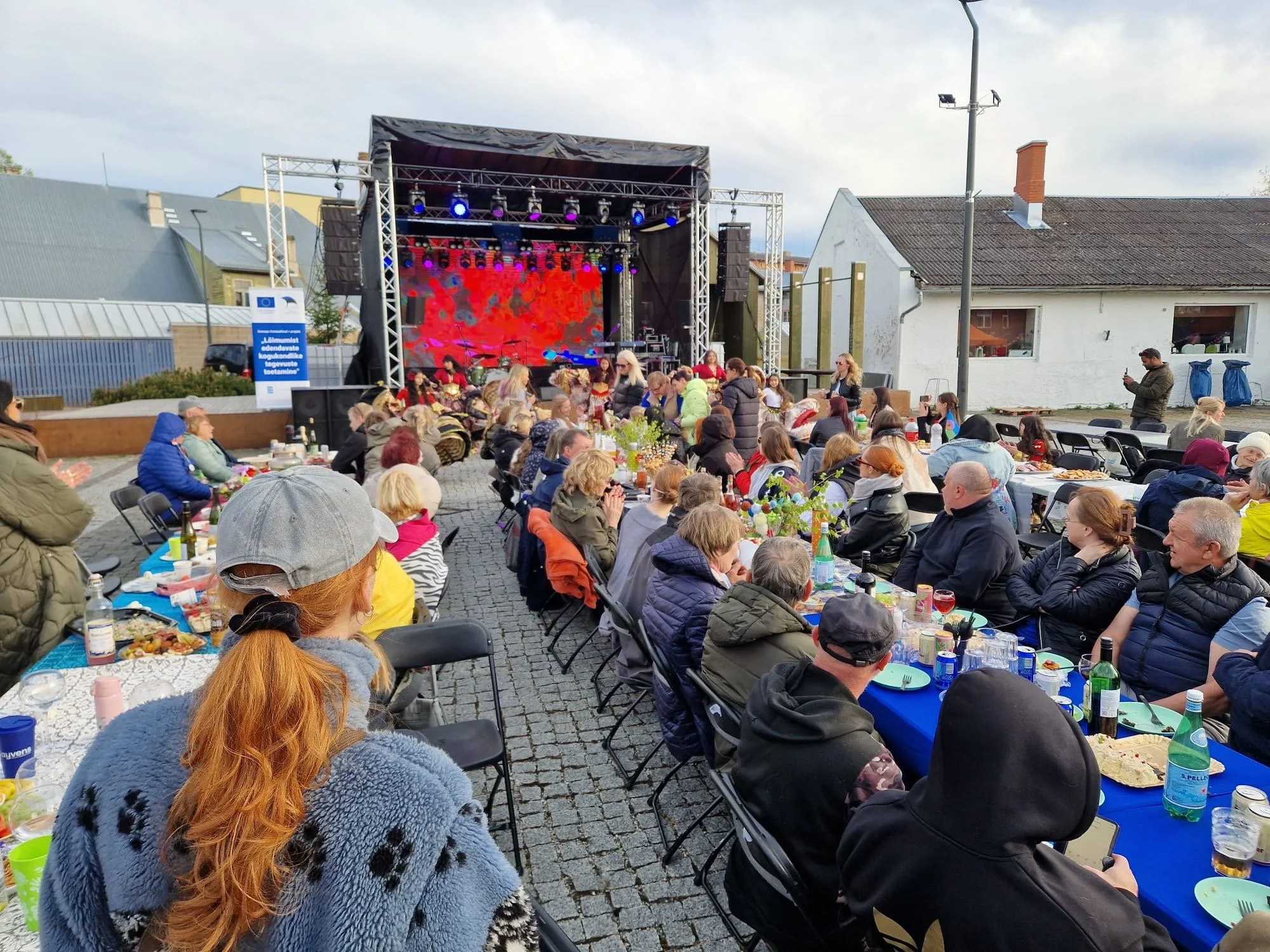
The residency culminates on Friday, 8 May 2026, when CPPM students will share their work in Valga during the town’s first Long Table event, taking place ahead of the traditional Border Fair weekend.
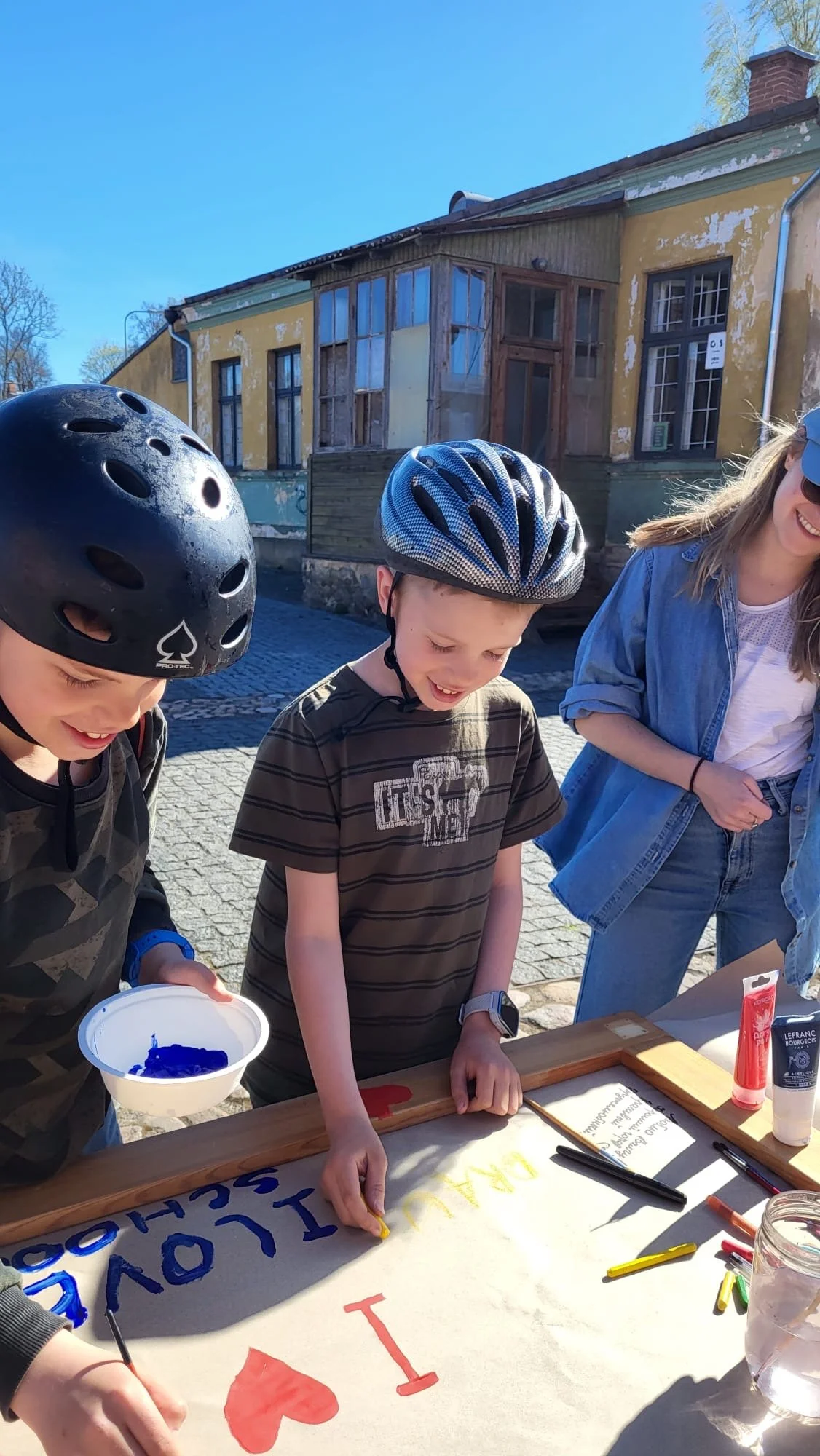
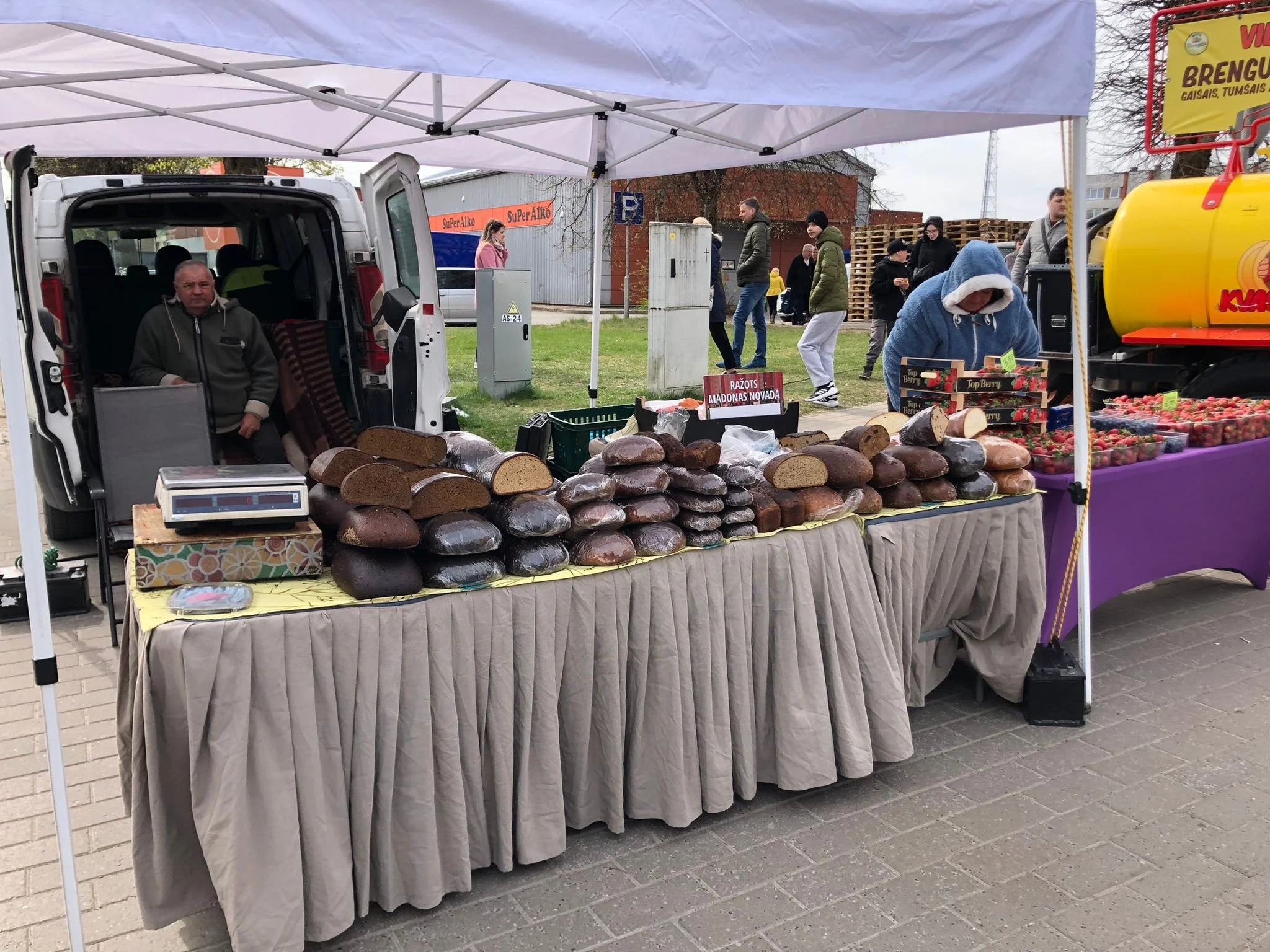
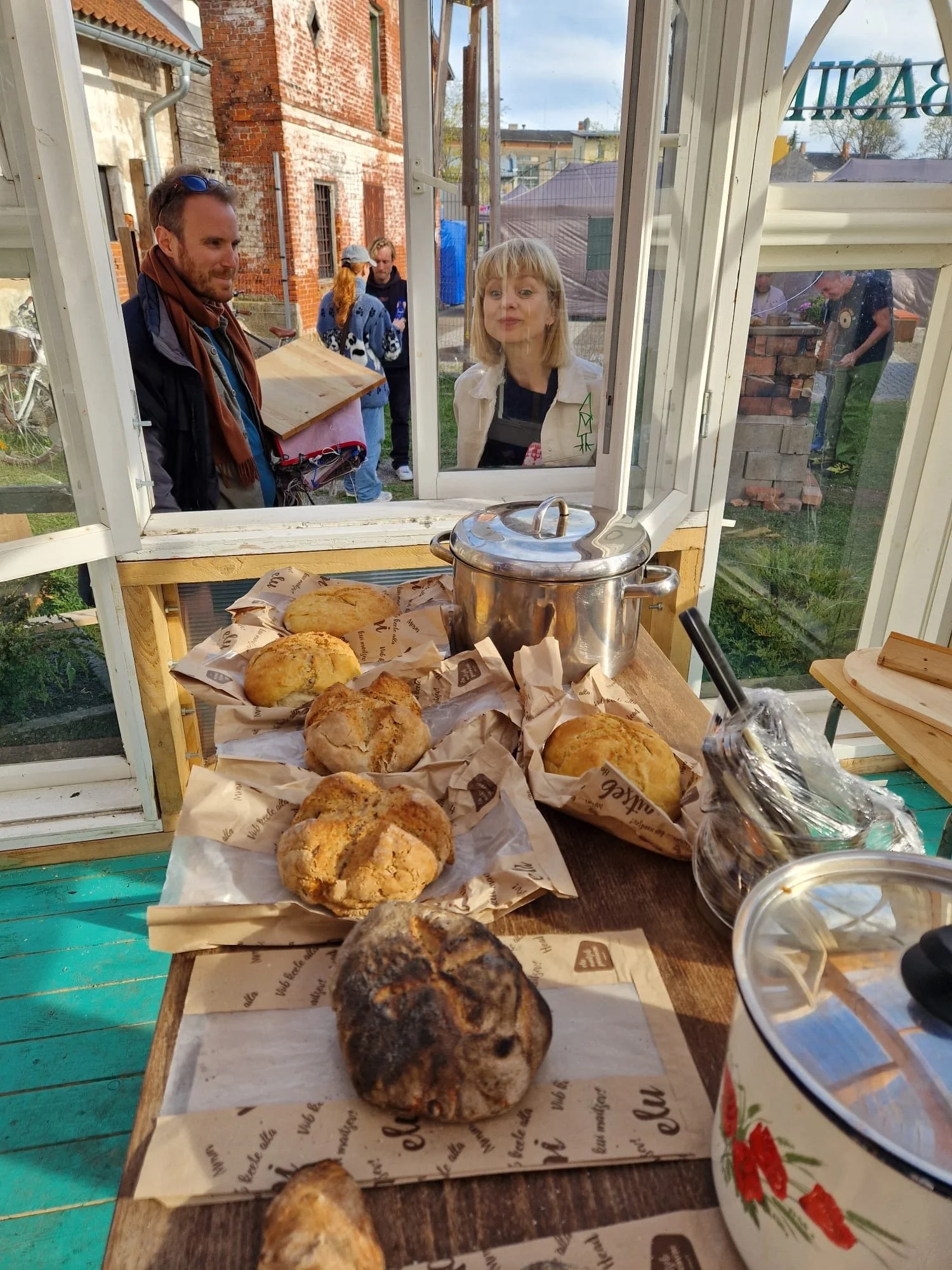
The Long Table will bring together Valga’s Estonian, Latvian, Russian, Romani and Ukrainian communities to share food, stories, cultures and traditions. CPPM’s temporary community of artists from twelve countries will join this celebration with processions through the streets of Valga, breads baked from their homelands, films created during the residency and songs carried from their own cultures. We warmly invite you to join us in Valga on Friday. Come walk with us, gather around the table, encounter the films, listen to the songs, taste the breads and experience how a town can become a shared performance. CPPM has been generously welcomed by VARES and by the people of Valga. This final sharing is our gesture of gratitude: part procession, part feast, part film event, part song, part spatial intervention and part gift.
As part of CPPM’s commitment to contemporary performance, professional development, postgraduate education and international performing arts education, this intensive residency supports students in developing artistic practices that are responsive, collaborative and deeply connected to context. Through physical performance, choreography, public space practice and performance making, Valga/Valka: Space × Architecture × Performance asks how art can move through a town, how strangers can become guests, and how performance can bring people to one shared table.
The project is supported by the Estonian Cultural Endowment.
Team
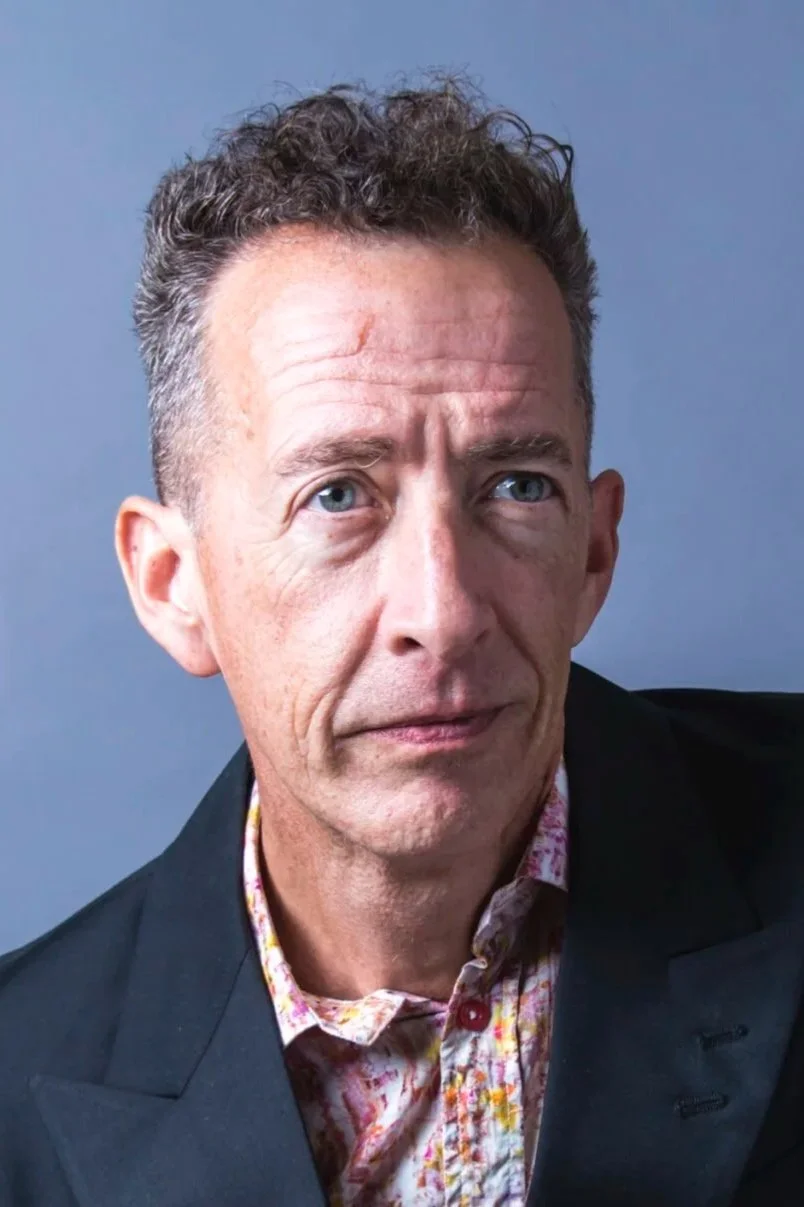
peader kirk
Peader Kirk is a renowned international artist and mentor who specializes in Performance and Sound Art. He has recently exhibited his work at the ICA in London, the National Theatre of Greece in Athens, and the Academy of Fine Arts in Turin. Peader’s work ranges from intimate encounters in small spaces to large-scale public works in urban environments, which he creates both independently and collaboratively with Mkultra.
At the heart of Peader’s work is an exploration of how we experience existence in the present moment, particularly within the context of our society and location. His site-responsive installations use the physical and social architecture of a location as a foundation, incorporating sound and object installation to develop a unique immersive experience that transcends traditional theatre conventions.
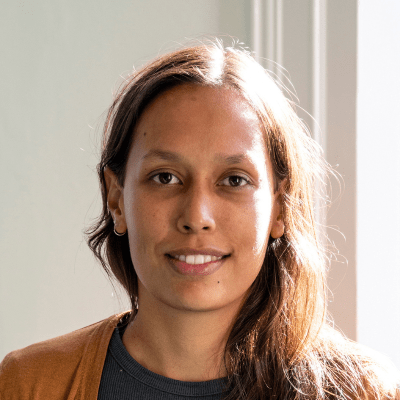
Mona camille
Mona Camille is a London-based, award-winning set and costume designer. She has designed for the West End and The Globe, amongst other theatres. Mona grew up in her native Seychelles — and is fluent in English, French and German. She works across theatre, dance and film in the UK and internationally.
Mona also teaches design at the Architectural Association School of Architecture in London.
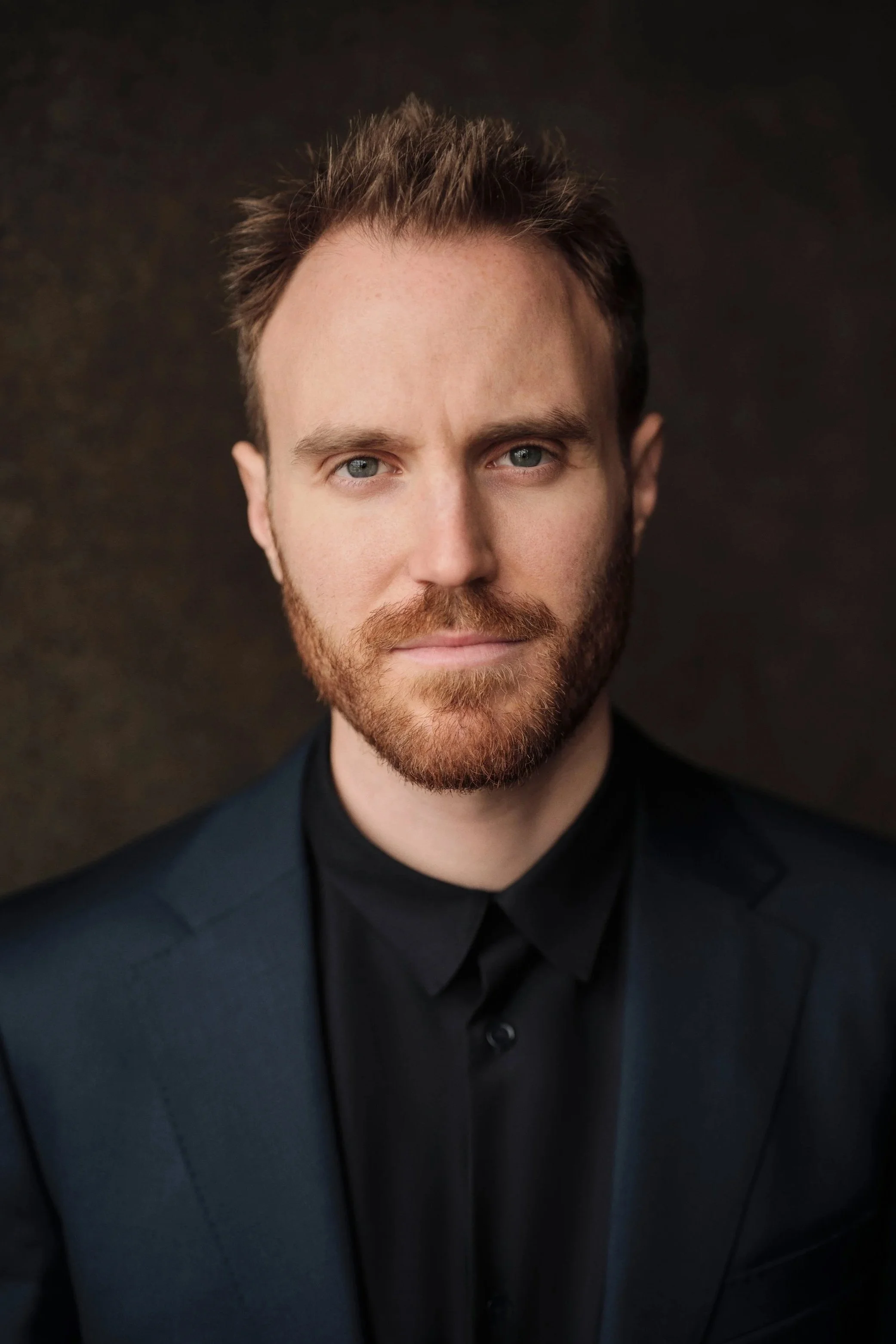
Olivier Van Den Hende
Olivier is a French-American actor best known for 13 jours, 13 nuits (Official Selection, Cannes Film Festival 2025) and his appearance in French TV shows Un si grand soleil and L'Or Bleu (FranceTV).
Olivier grew up between Paris and New York. He studied the cello at the National Conservatory of Paris for ten years before training as an actor at the Royal Academy of Dramatic Art in London.
VARES Valga Architecture Residency
VARES is an international interdisciplinary residency for spatial practice, whose main task is to seek, find and create alternative spatial practices that are not based on market logic, but rather on the desire to create spaces and places that enrich everyday life, empower the local community and town of Valga.
We are interested in finding ways to practice slow architecture, critically rethinking the discipline of architecture, learning and resurrecting vernacular and traditional crafts, gathering old and used materials and creating a place for lifelong learning for architects and spatial artists.