Resistenze e Metabolizzazion Residency
About
This side of TЯA holds more than 20 artists' voices and testimonies from a residency in Melpignano, in the south of Italy, where they worked in deliberate proximity with a local community.
Gathering these voices is not merely documentary — it is a repositioning: when artists enter a peripheral place, their very presence performs a narrative, and that narrative, left unattended, is rarely theirs, and rarely the community's. Staying close to practice itself — to what artists do and notice and carry, to the strategies and the moments that are usually left unnamed — is how that changes; it is the discipline of voicing experience from the inside, with curiosity and self-criticism, rather than leaving it to be spoken by other agendas.
TЯA website:
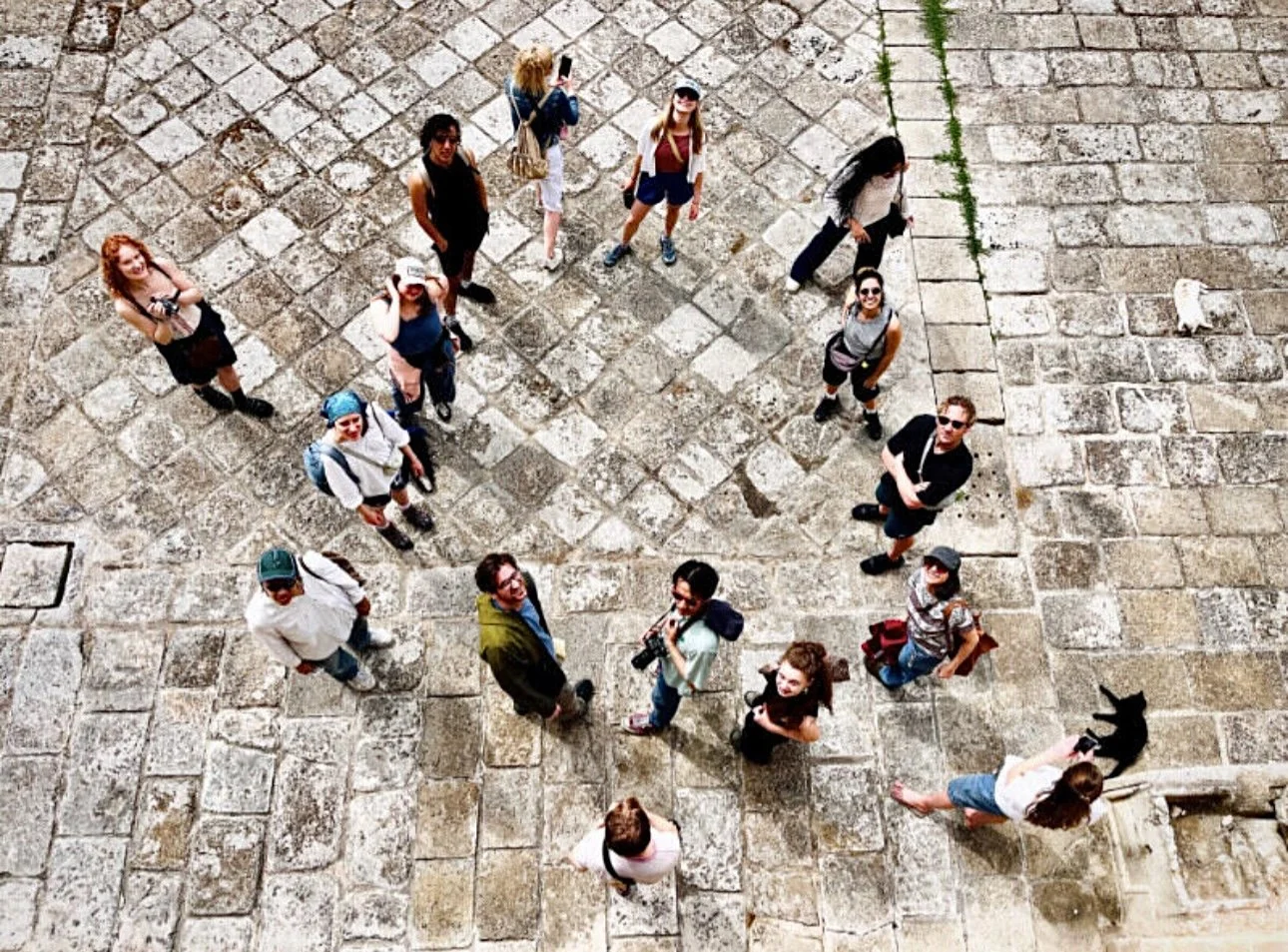
Resistenze e Metabolizzazioni is a four-week artistic residency in Melpignano, a small town in the Salento region of southern Italy, bringing together twenty three performance makers, researchers, and local collaborators from across Europe. It is the fourth iteration of a practice that began in 2021, and the first to operate within a fully articulated research framework.
The residency is structured around the practice of tasking — short, declared explorations sent into the village each morning, held by a peer, documented, and brought back at the end of the day for collective reflection. Tasks are not the work; they are the conditions under which something can happen. What they are designed to produce is encounter: with the place, with its people, with the limits of one's own artistic habits.
The conceptual frame for this iteration is drawn from two terms held in deliberate tension: resistenze — what refuses to be assimilated, in a culture, in a body, in a practice — and metabolizzazioni — the slow conversion of experience into capacity to act. Neither is privileged over the other. The work lives at the crossroads between them.
MELPIGNANO, PUGLIA
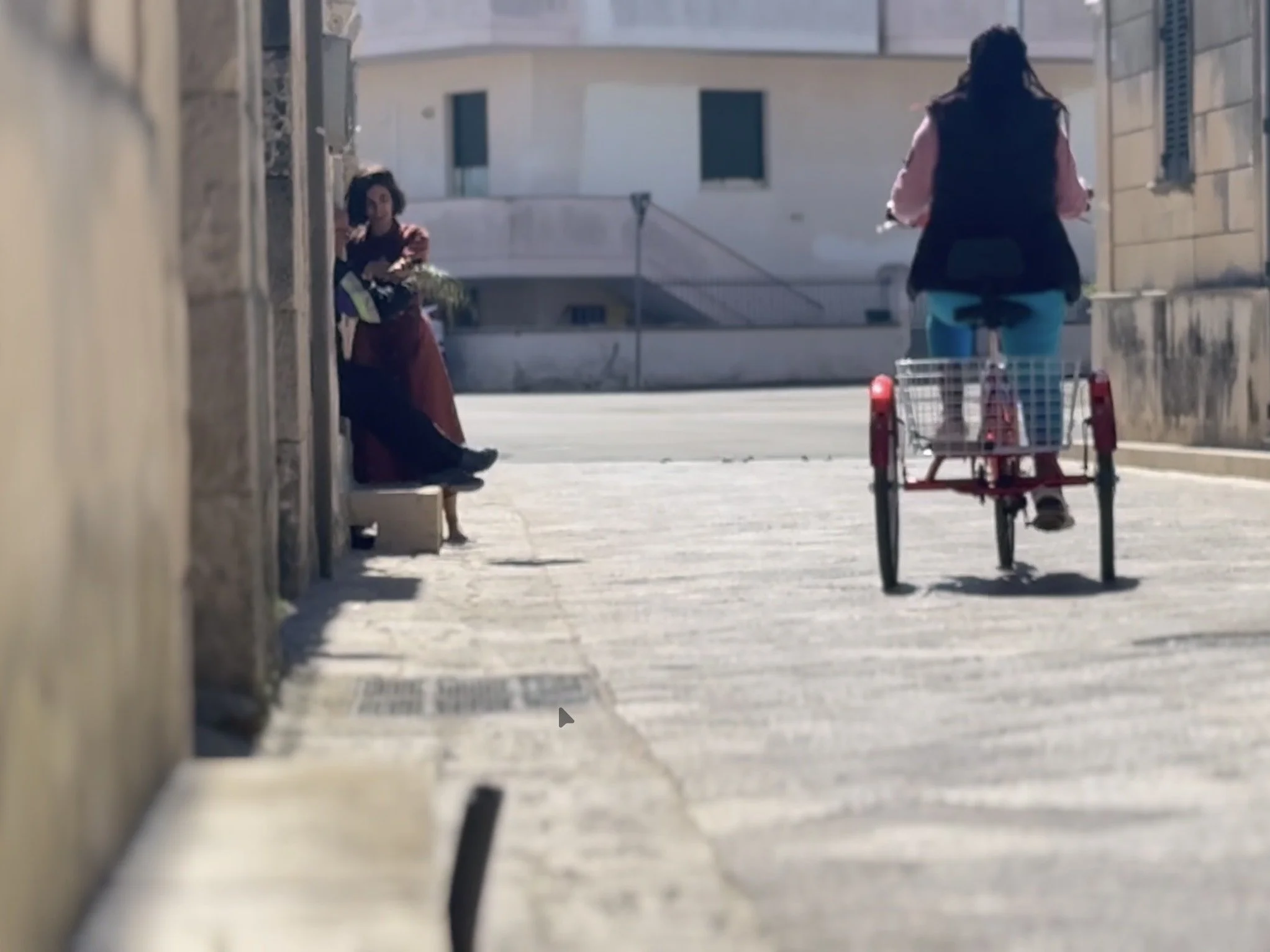
Melpignano is drawing me down a path which is unveiling to me that the most alive material arrives before you know what to do with it, and that the only thing required during the encounter is to be in motion when it does.
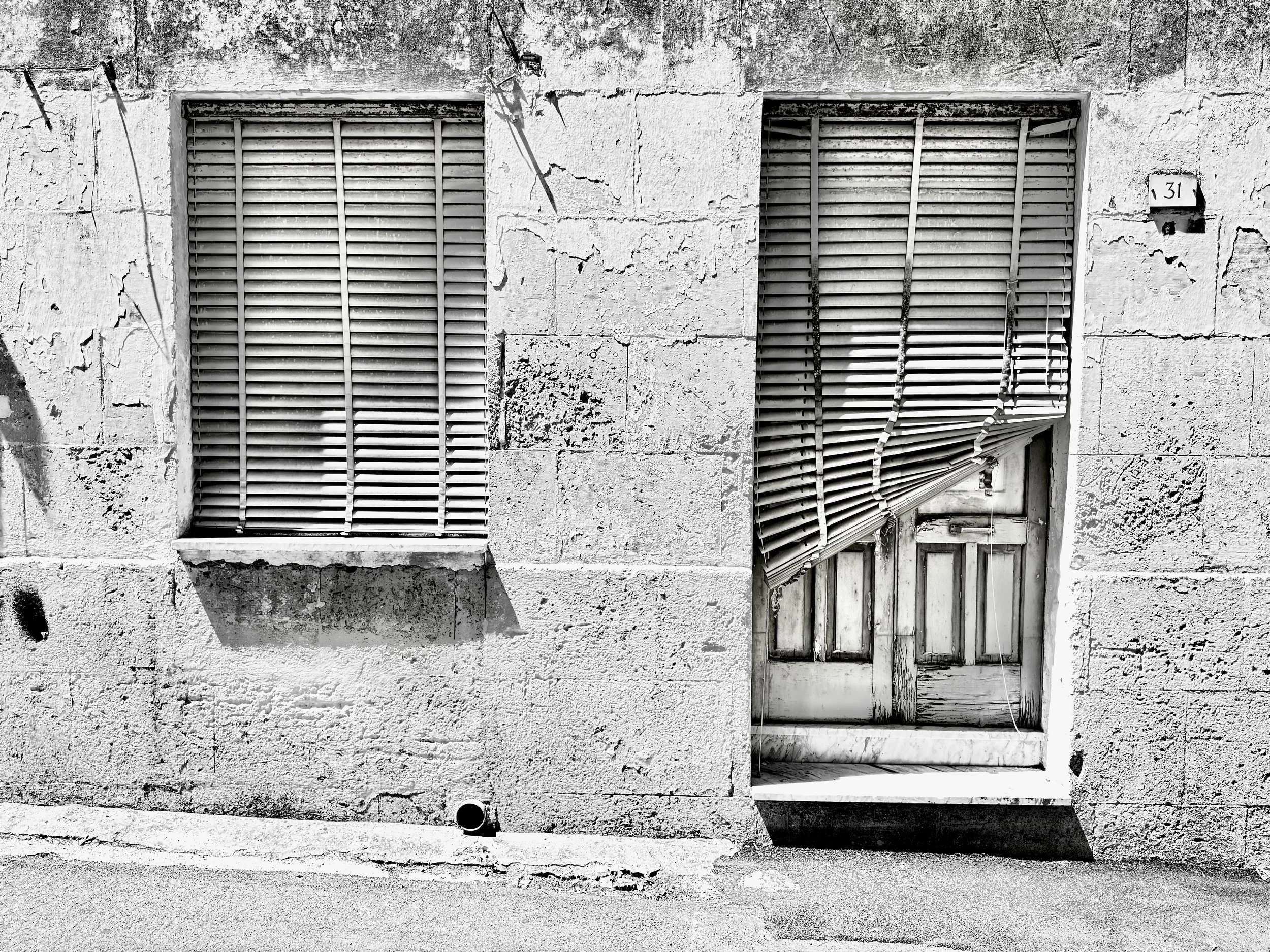
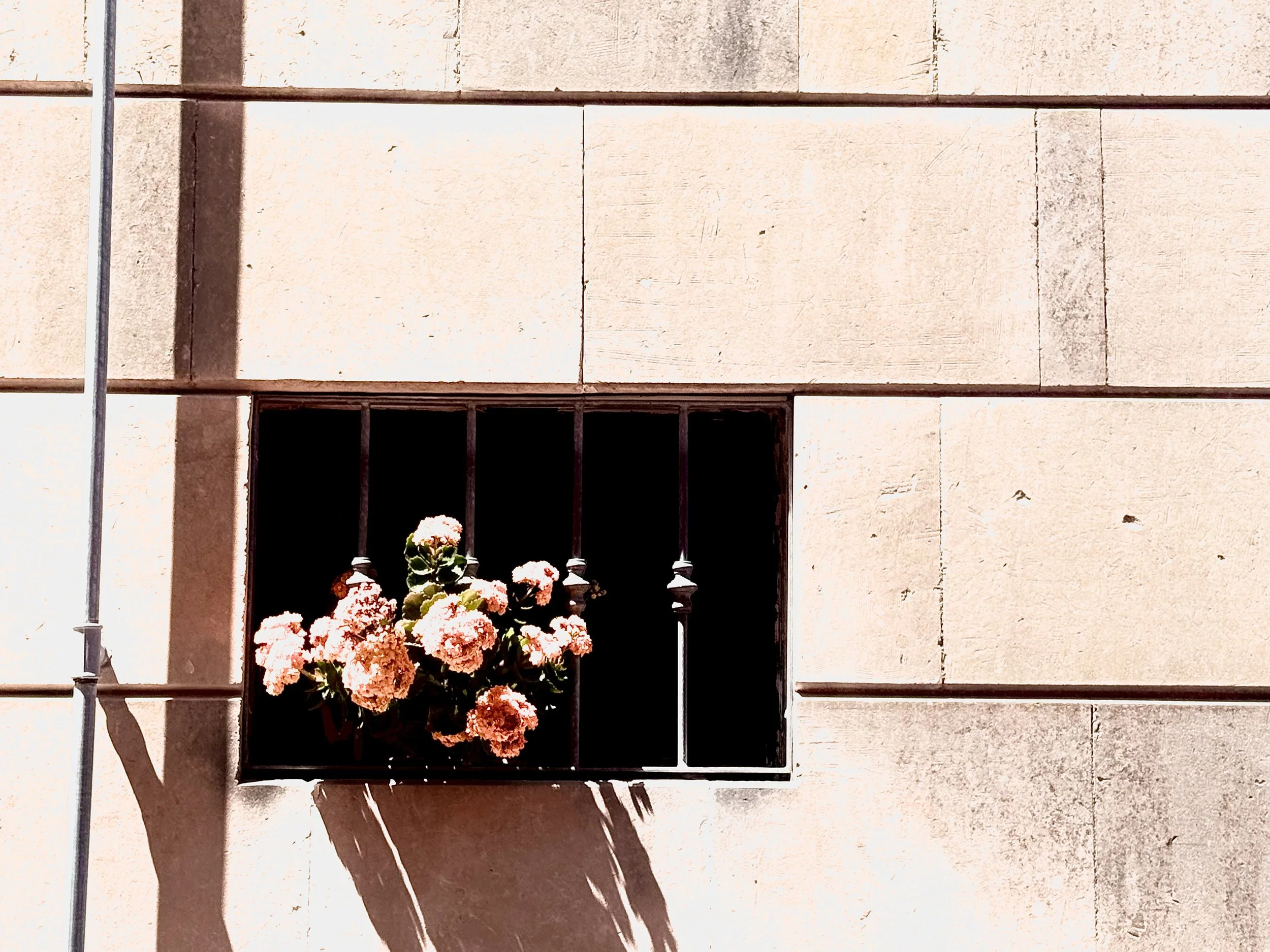
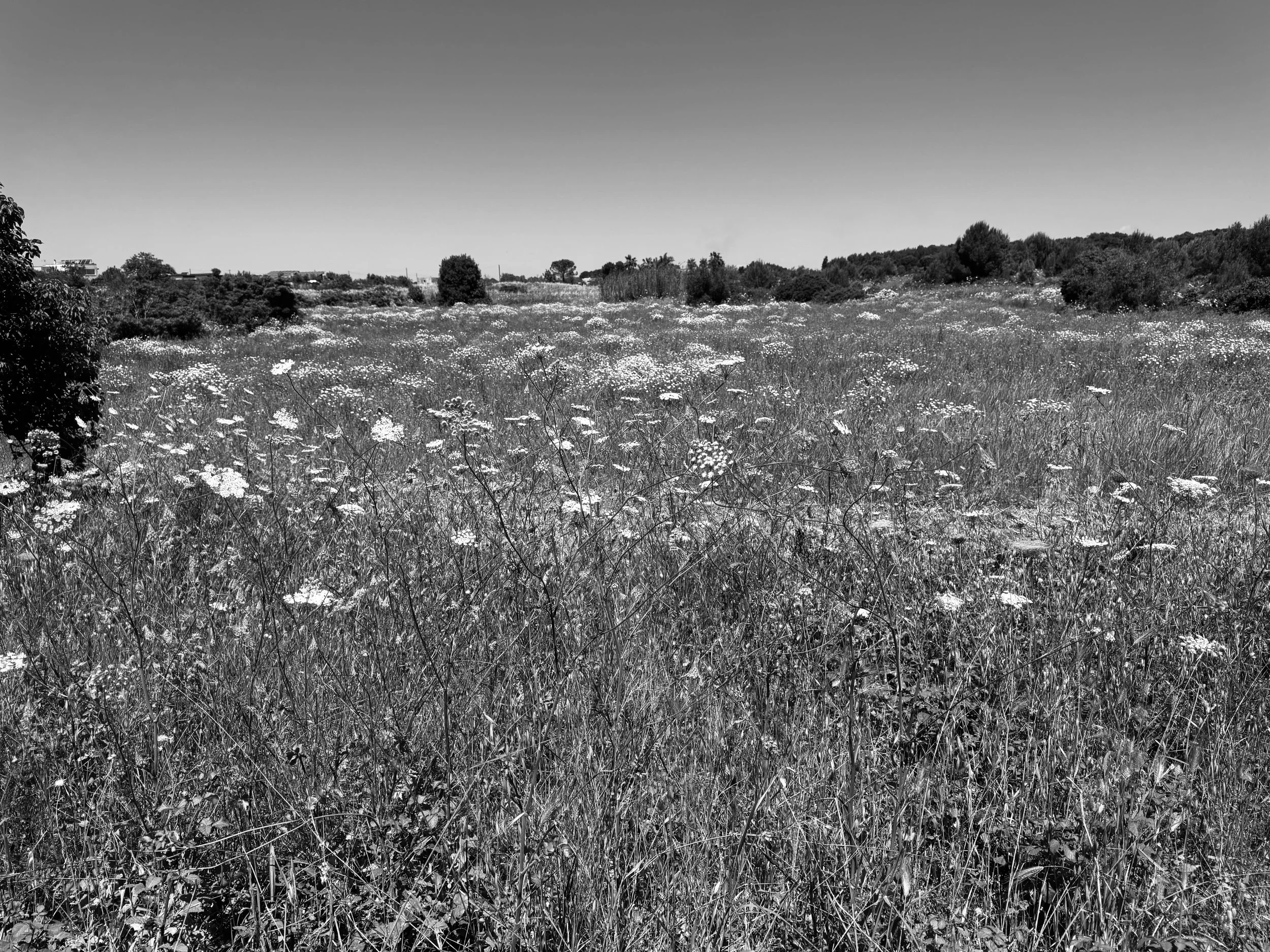
I arrived in Melpignano without a grammar for the place. No previous visit. No already negotiated relationship with its light or its heat or the particular weight of Salento history pressing up through the stones. The only way to proceed is to continue to allow this landscape to pass be me by and to collide with what it has to say to me each day.
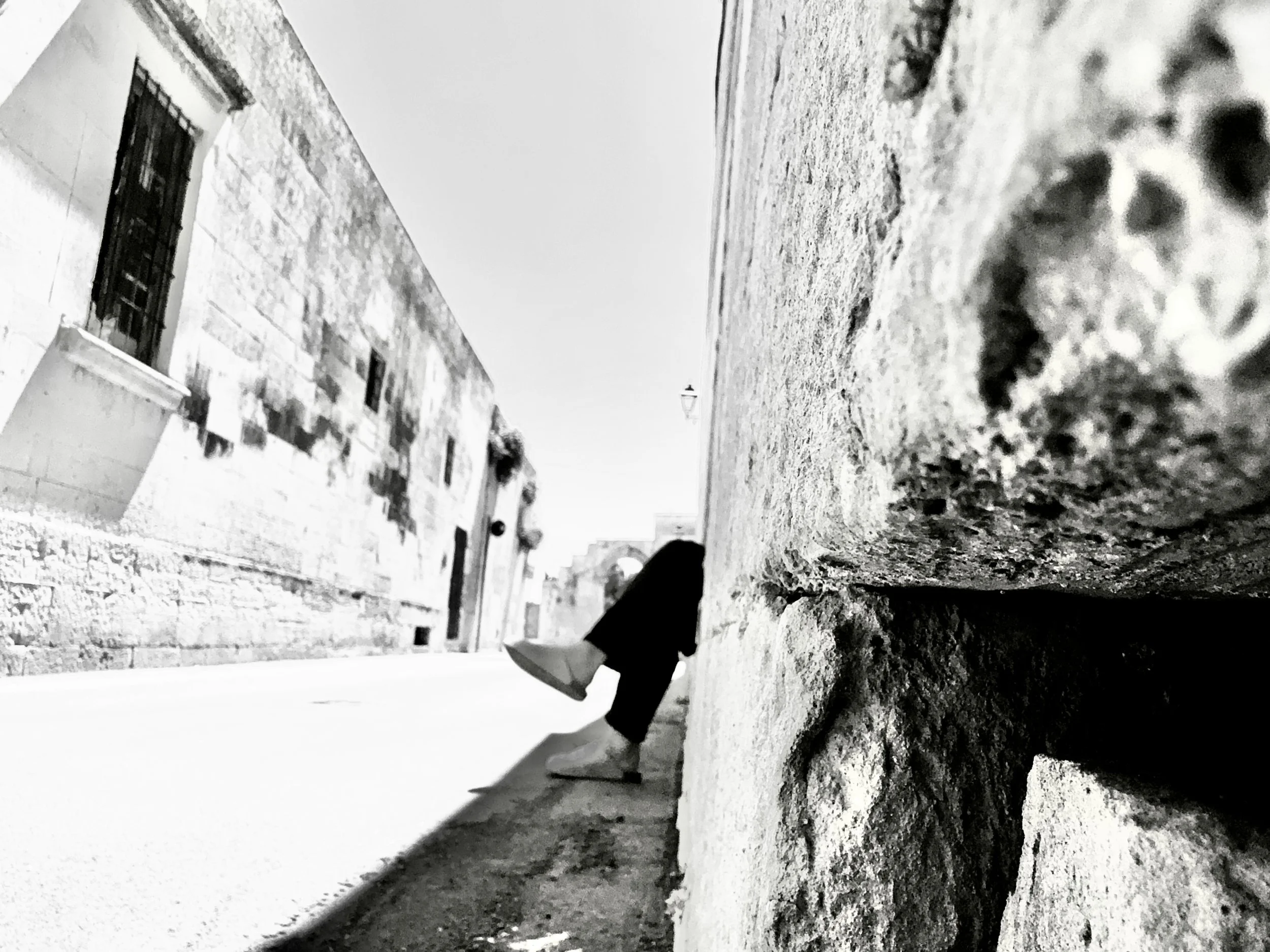
Daily practice
V1.
6am wake up
Morning coffee
Work and create for two hours in the morning sun
Run to the forest - Pull ups and Dips - Run home 4km
V2.
6am wake up
Morning coffee
Work and create for two hours in the morning sun alone
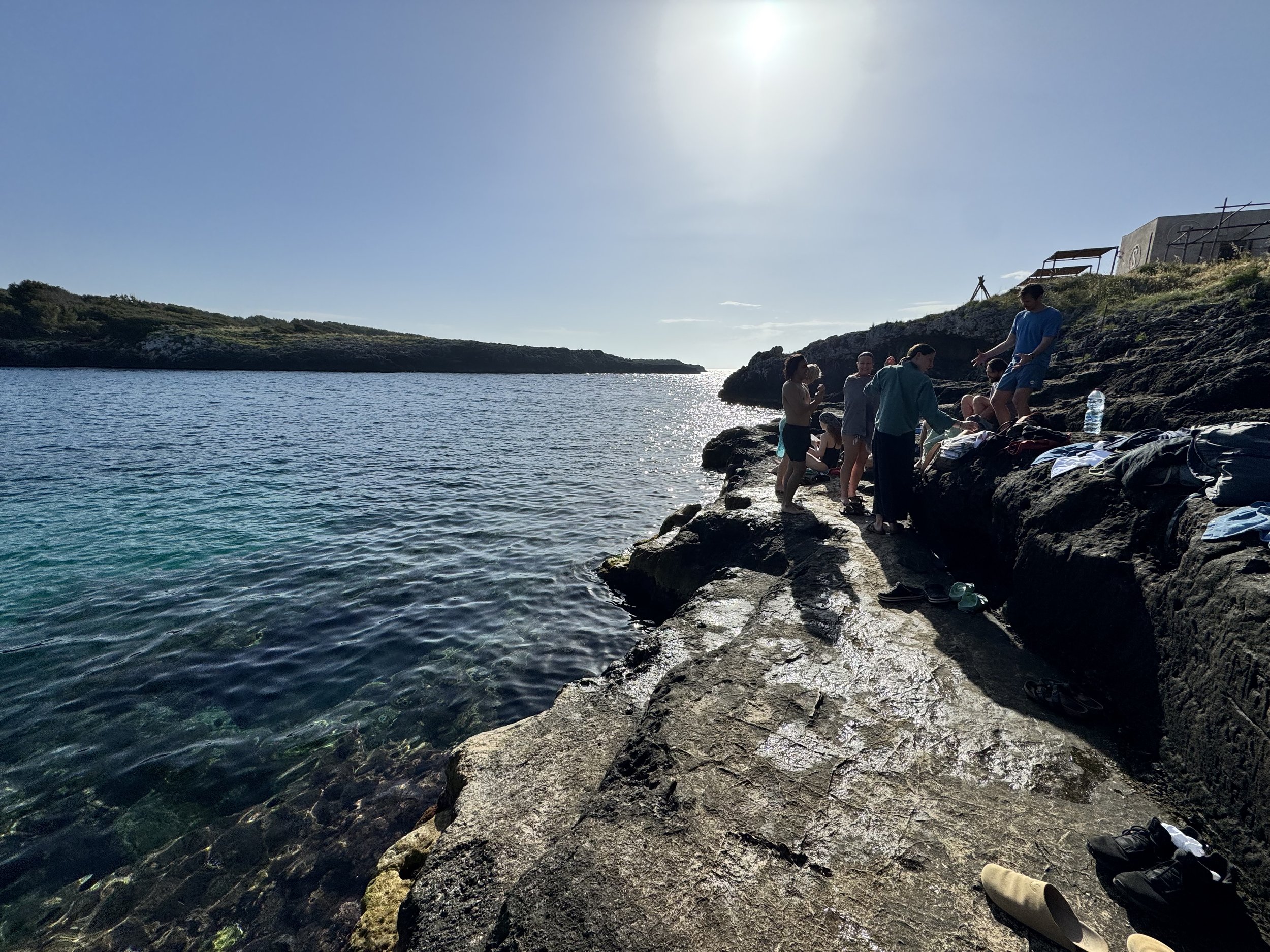
Drive to Porto Badisco beach with Juuli
Creative tasks = Keep exploring this ‘open world’ that is Melpignano
Dinner - Wine, gorgonzola and olive bread
Sleep
Repeat
-
I’m an international performance maker from Australia based in Tallinn, Estonia, working across physical theatre, devised theatre, live art, contemporary performance making and clowning.
I originally trained as an actor at Actors Centre Australia (2012), building a foundation in classical and contemporary text based performance and working across stage and screen in Australia and the United States. In 2022 I made a deliberate career shift, relocating to Paris to pursue a new artistic path in original performance making.
This shift toward contemporary performance making was not a departure from traditional theatre - it was a return to the body, and an expansion of what I believe theatre is. I went looking for new practices, new physical languages, new ways of making for myself, to push the boundaries of what traditional forms are capable of, and to find what lies beyond the obtainable.
The desire to interrupt and deconstruct inherited theatrical structures and rebuild them into something new - landscapes that could open a doorway into the imagination, into worlds that sit just beyond the reach of the everyday. And beneath that, a fundamental question about the nature of experience itself: what it means to experience, to be changed by it, and how performance can create the conditions for that to genuinely occur. I am not seeking to represent a state - but inhabite one. What happens to my body is actually happening. A body in genuine intensity, under genuine duress, existing in real time within a shared ecology of performer and audience, creates the same involuntary transmission as the greatest psychological drama. Not because it has been crafted to feel real, but because it is real. This is what I keep coming back to: the possibility of real states - work that does not portray experience but generates it, for the artist and the audience, simultaneously, in the same room.
-
This is my first residency in Melpignano. I arrive without any grammar of previous visits here - no muscle memory of the space, no shortcuts, no pre negotiated negotiated relationship with the territory. Only the unfamiliar which is both the difficulty and the gift of this moment.
There is something clarifying about beginning somewhere new. The absence of precedent makes every choice deliberate. I cannot rely on what worked before, because before doesn’t exist here. What I have instead is the discomfort of the present tense - and the question of what my practice looks like when stripped of its familiar scaffolding.
I am still learning what I came here to find out.
There is something to do with arrival itself as a condition of work: not settling, but staying in that threshold state long enough to see what it produces. The first residency is always the first draft - provisional, unresolved and honest in ways that later versions sometimes cannot be. The unfamiliarity of Puglia, its light, its particular weight of heat and history, doesn’t yet belong to me. But I am beginning to let it work on me.
St. Padre Pio -
In Melpignano I encountered the phenomenon of stigmata once again - specifically through the figure of St. Padre Pio of Pietrelcina, a man born in this region of southern Italy, who bore the wounds of Christ on his body for fifty years.
What interests me is the miracle itself, and the ecstatic states that accompanied it. Padre Pio did not simply receive wounds. He received them inside experiences of overwhelming intensity - visions, raptures, states in which the ordinary boundaries of the self appeared to dissolve entirely. The body in these moments, was not a passive surface. It was the site where something invisible became undeniably and irreversibly physical. Where love, understood not as sentiment but as a total consuming force - pressed through the skin.
This is what I keep returning to: the intimacy between ecstasy and flesh. The stigmata are inseparable from the trance states that produced them. The wound is the ecstasy made visible. And what precedes both - decades of prayer, fasting, suffering, a life given over completely to an invisible material - suggests that the body, under conditions of absolute dedication, becomes capable of things that exceed ordinary understanding. That sustained interior states can reorganise the flesh from the inside.
I hold this miracle as the question - one that the body understands before the mind does.
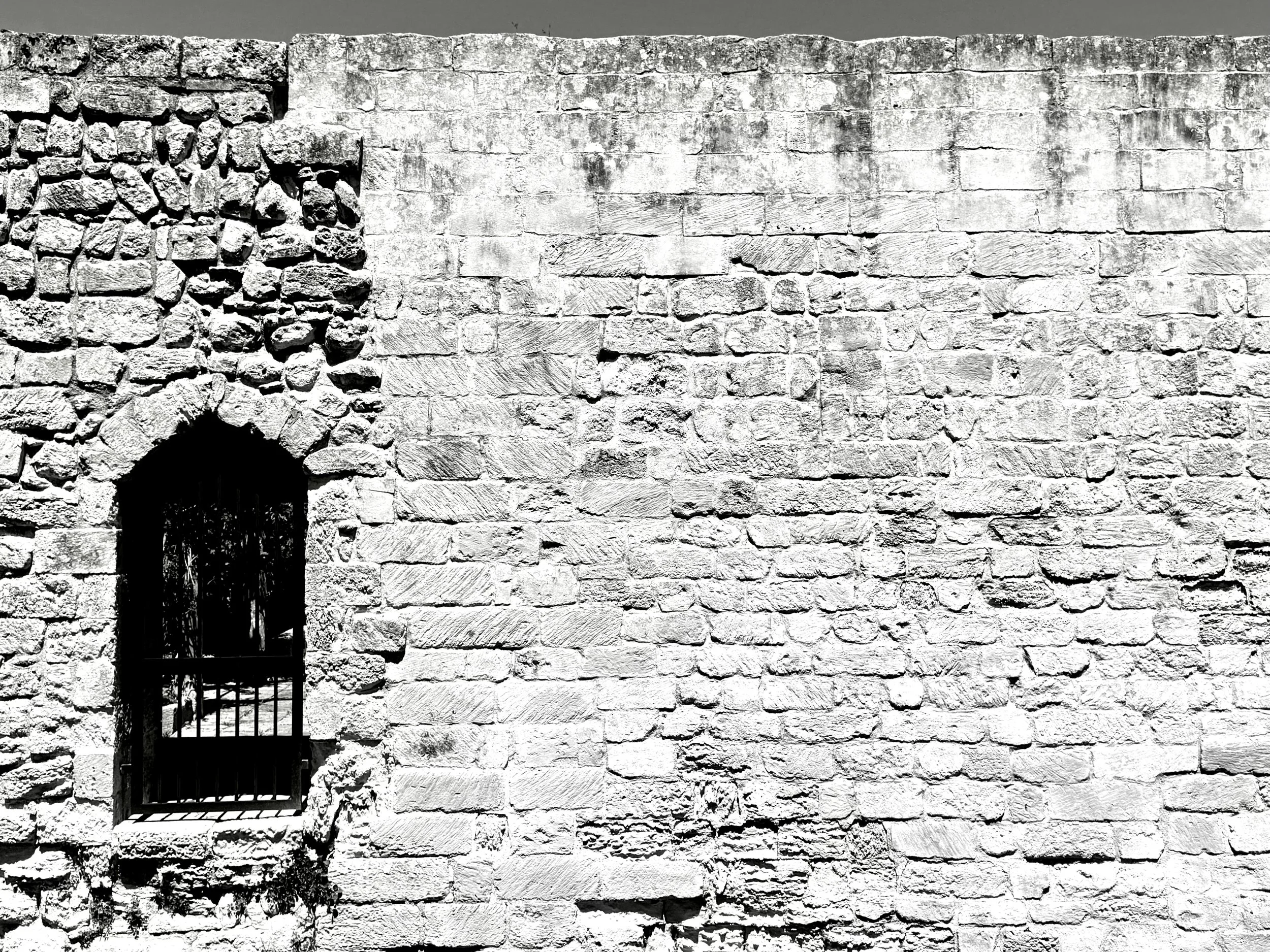
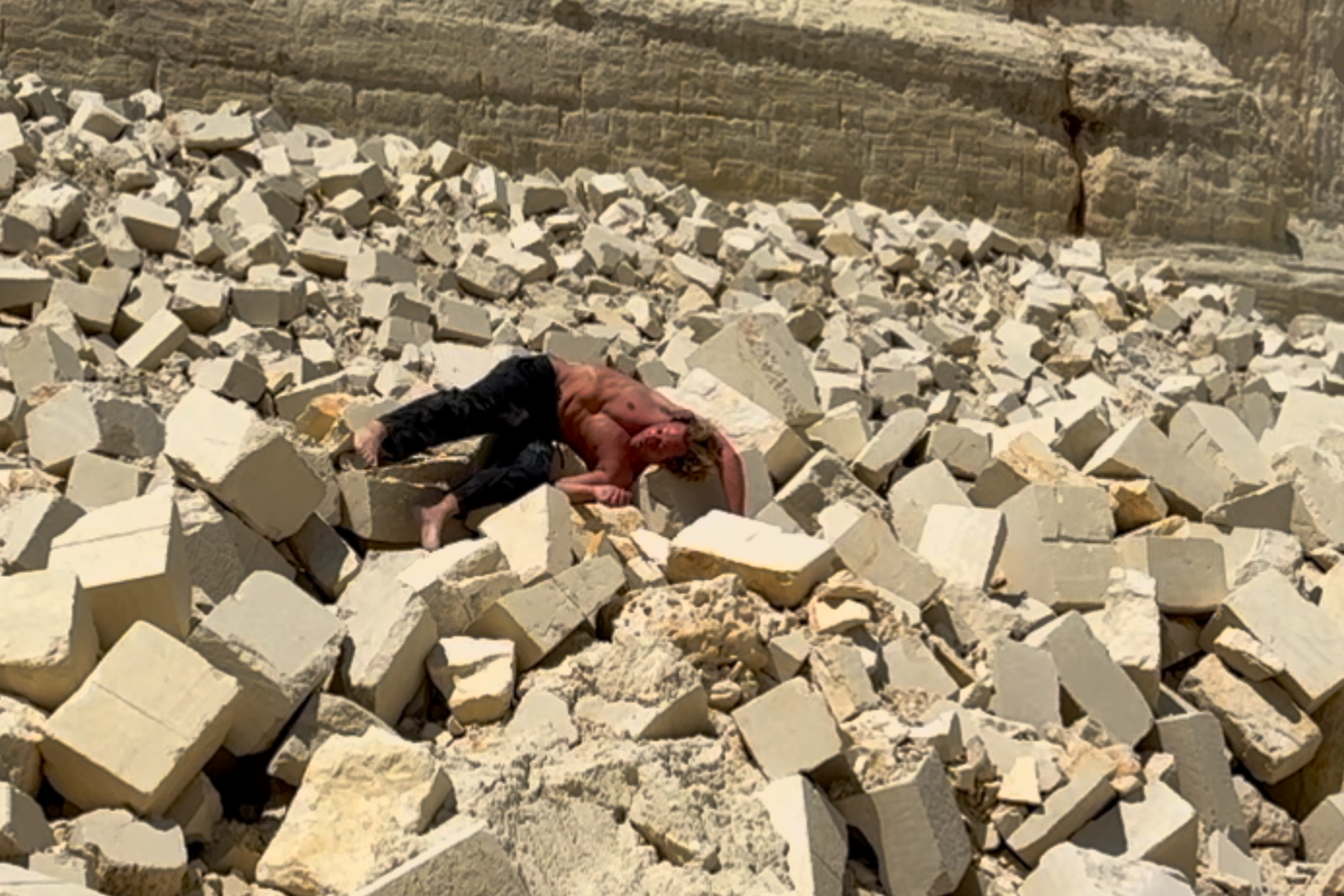
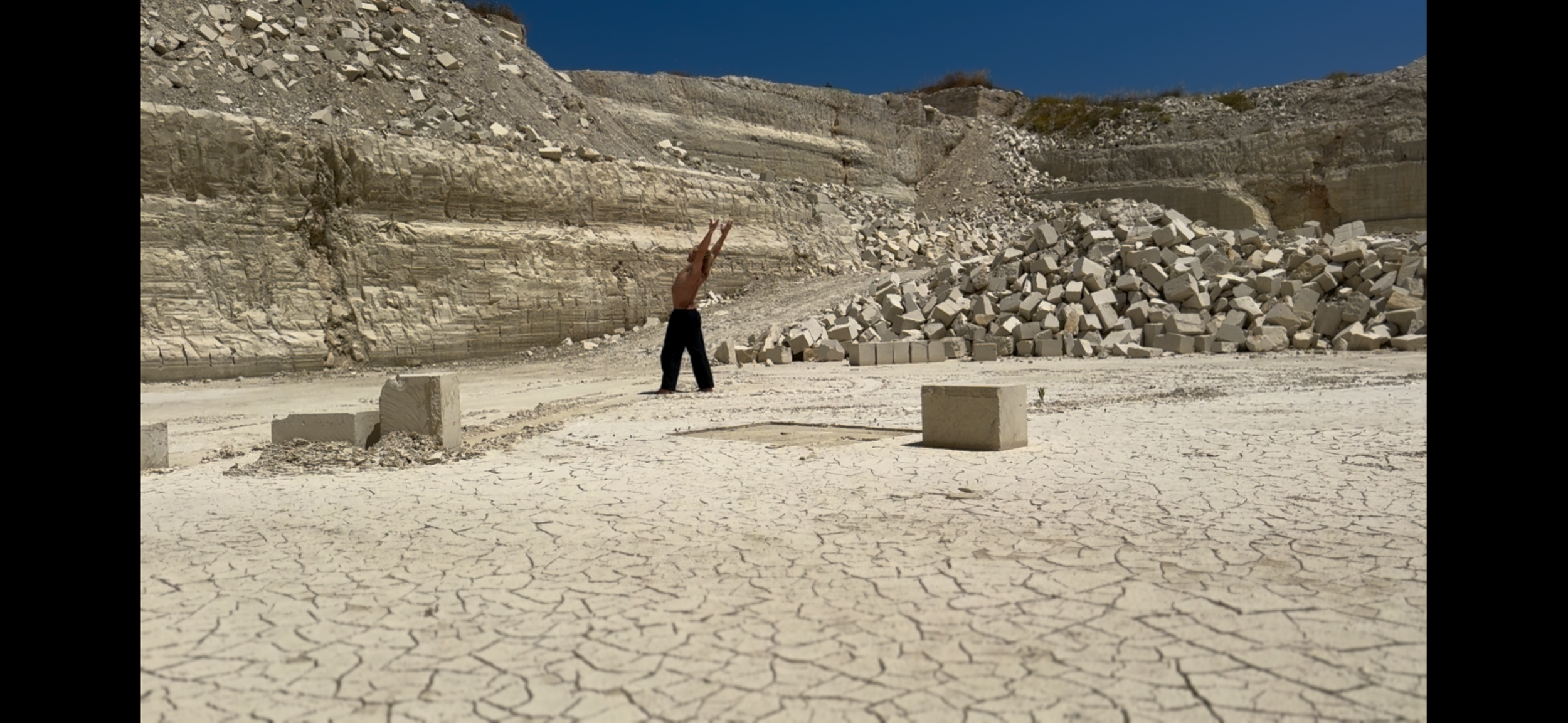
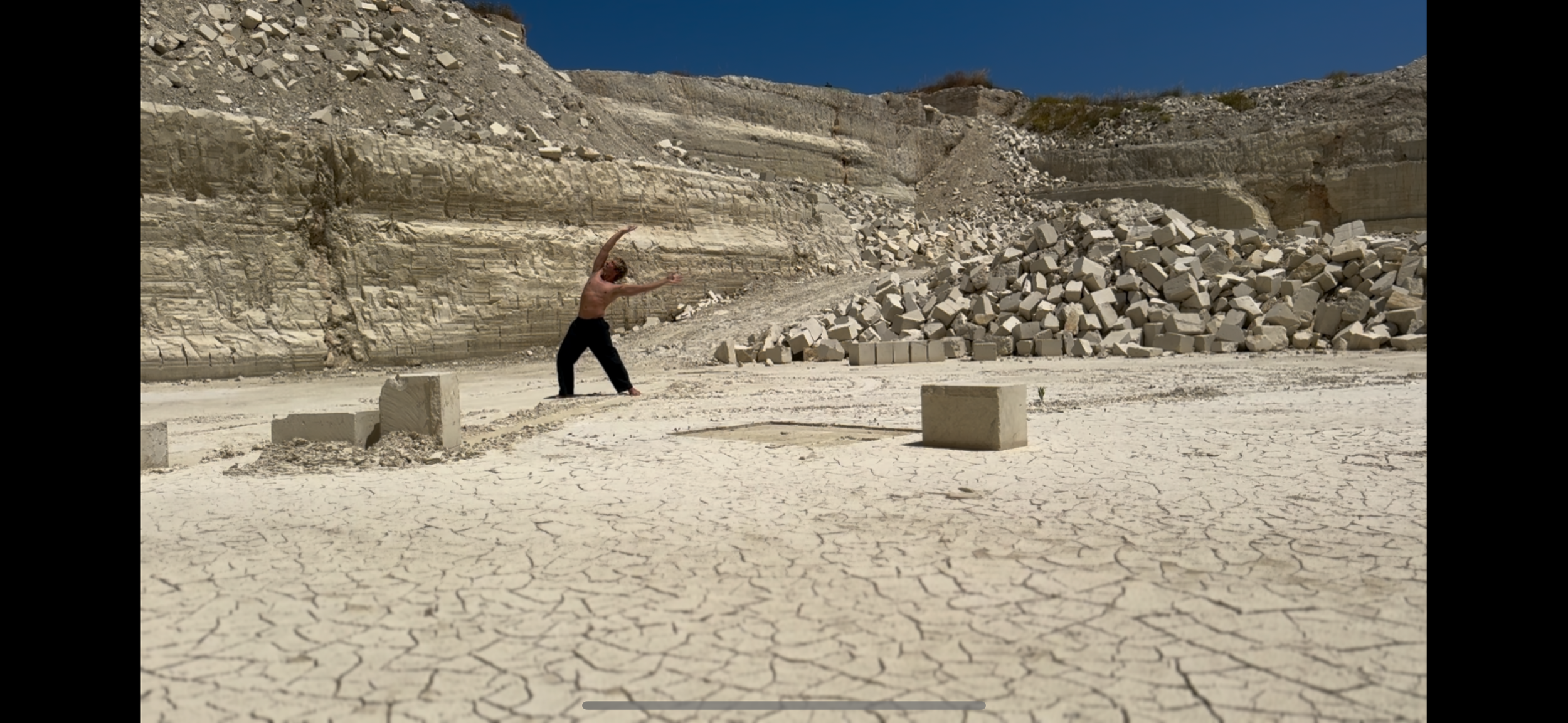
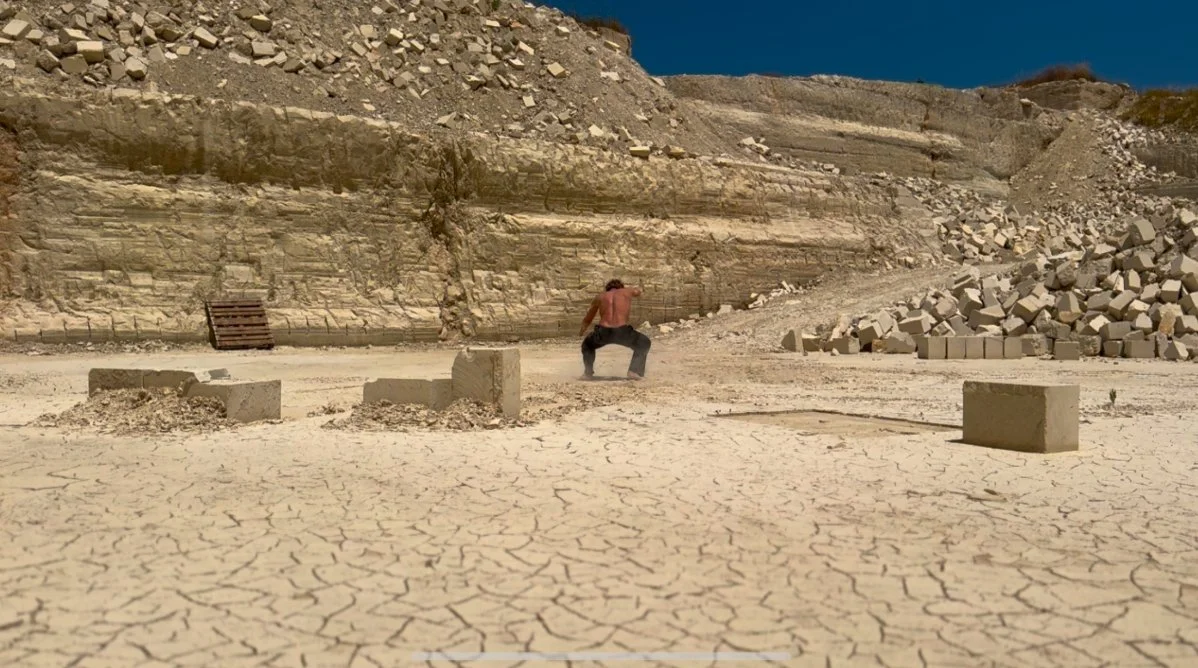
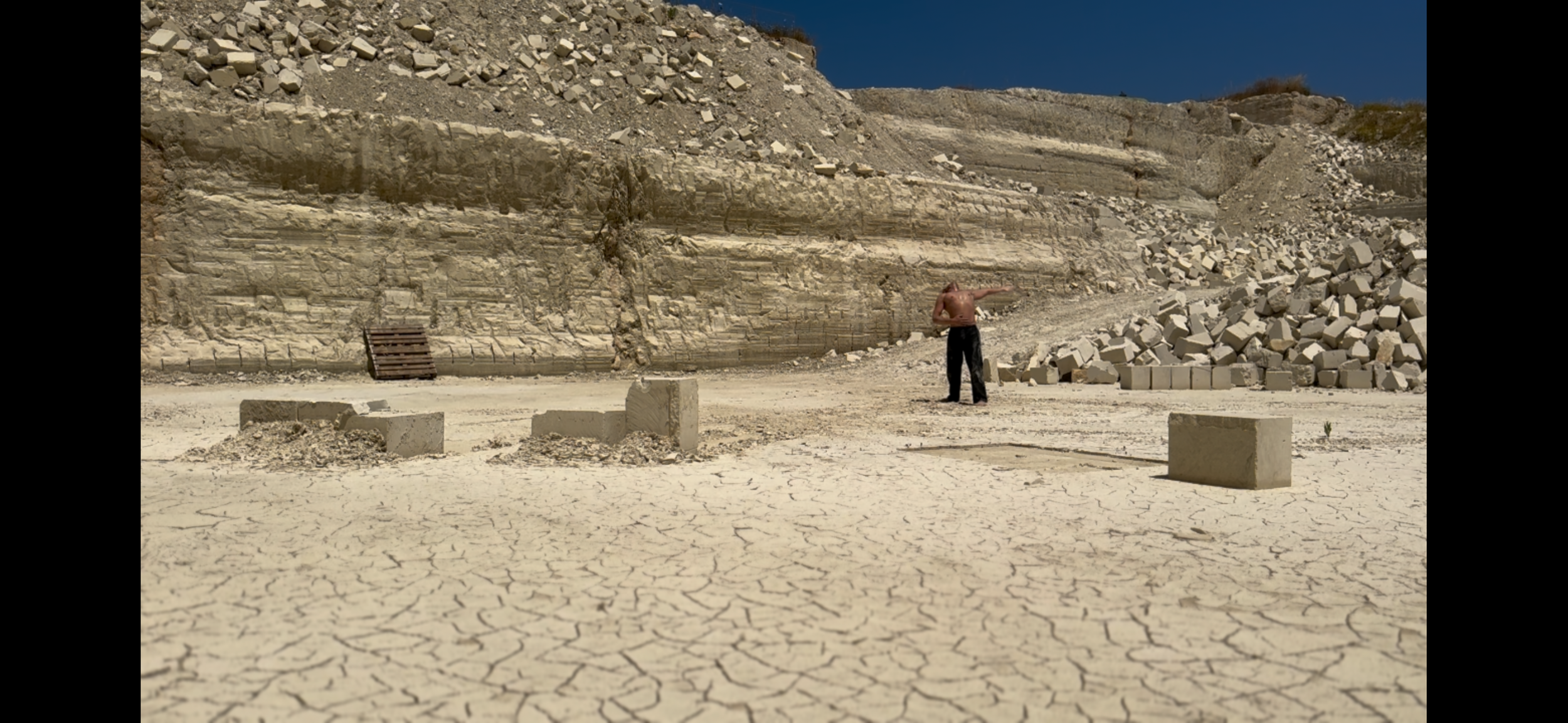
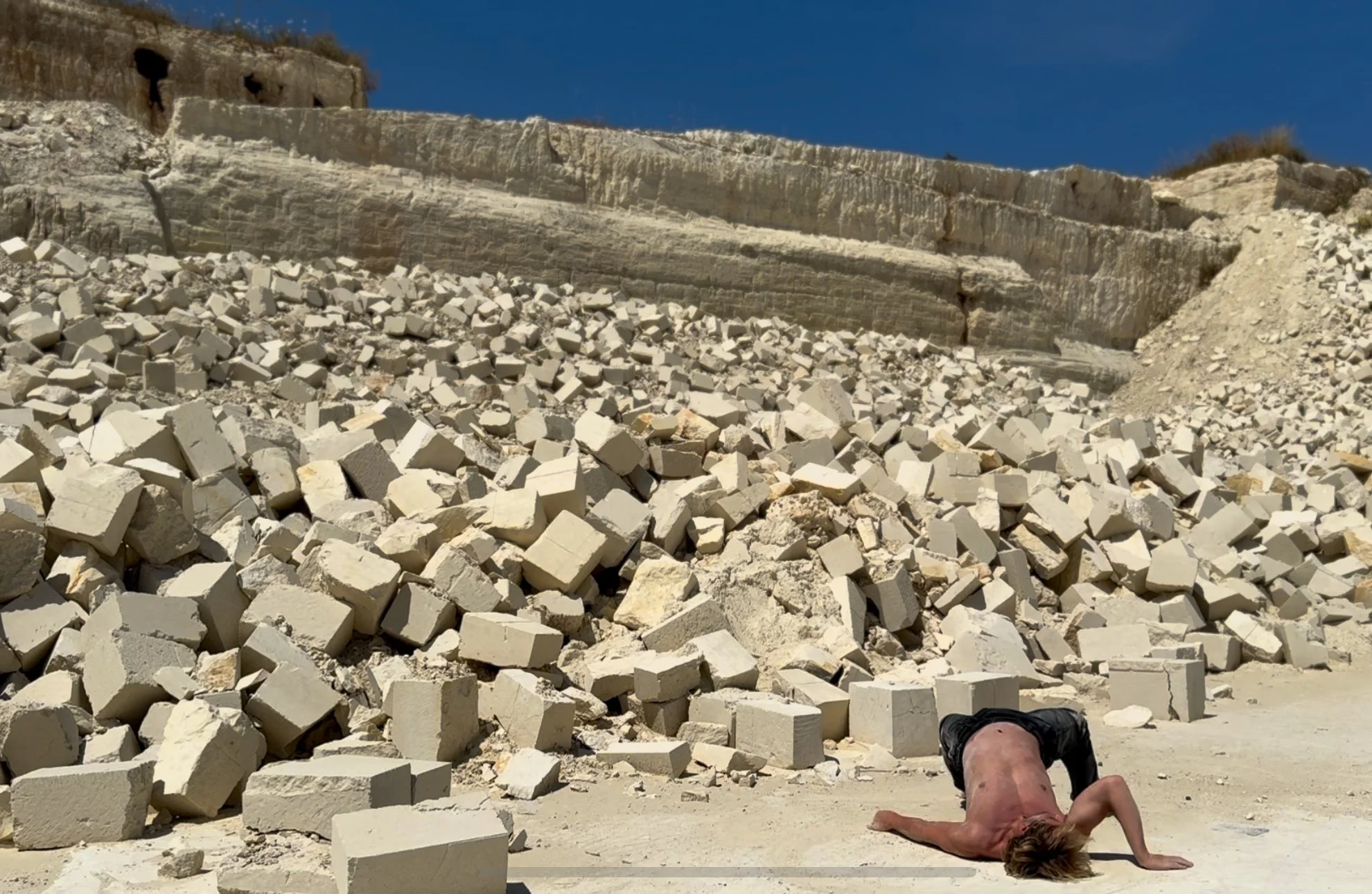
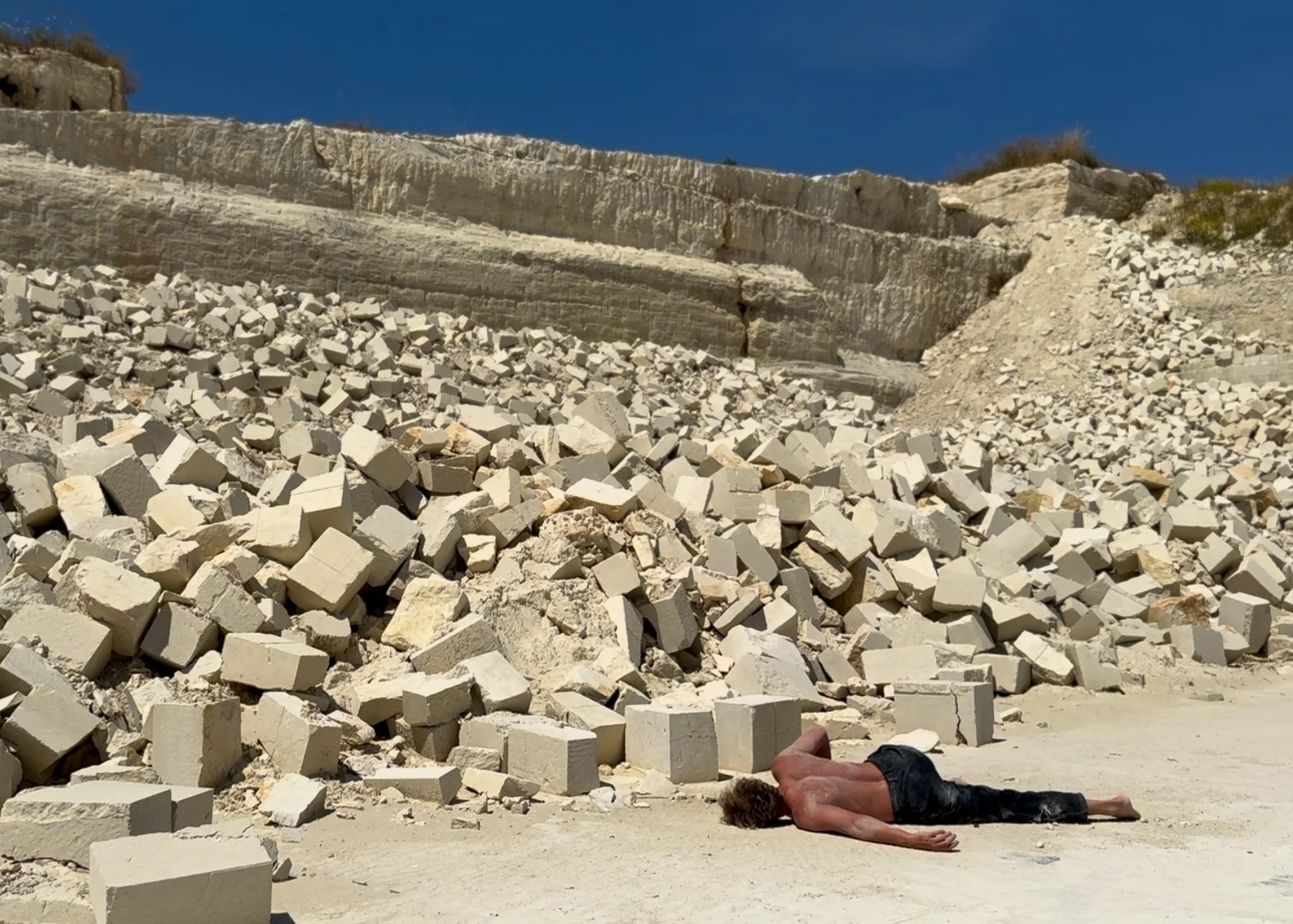
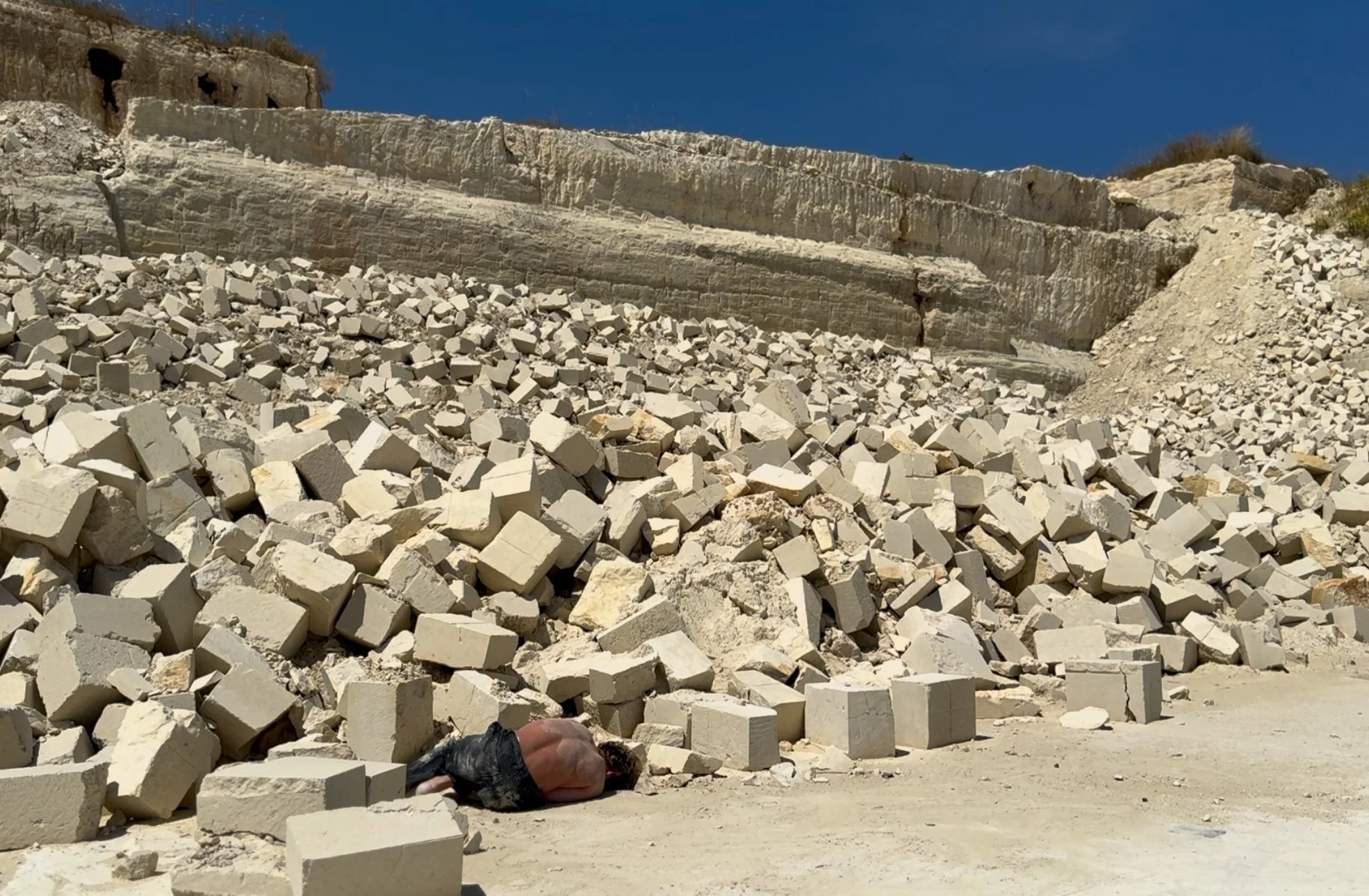
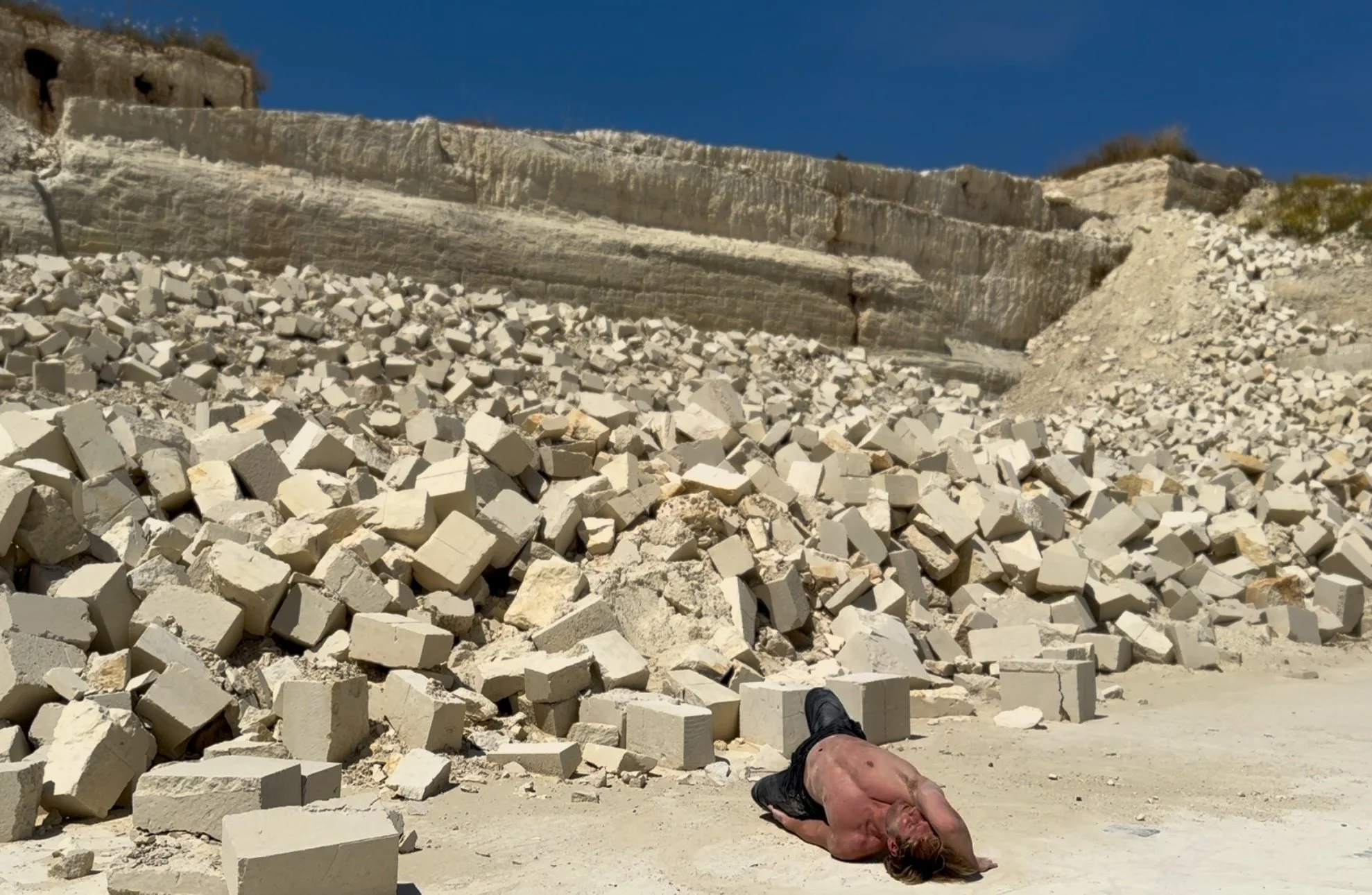
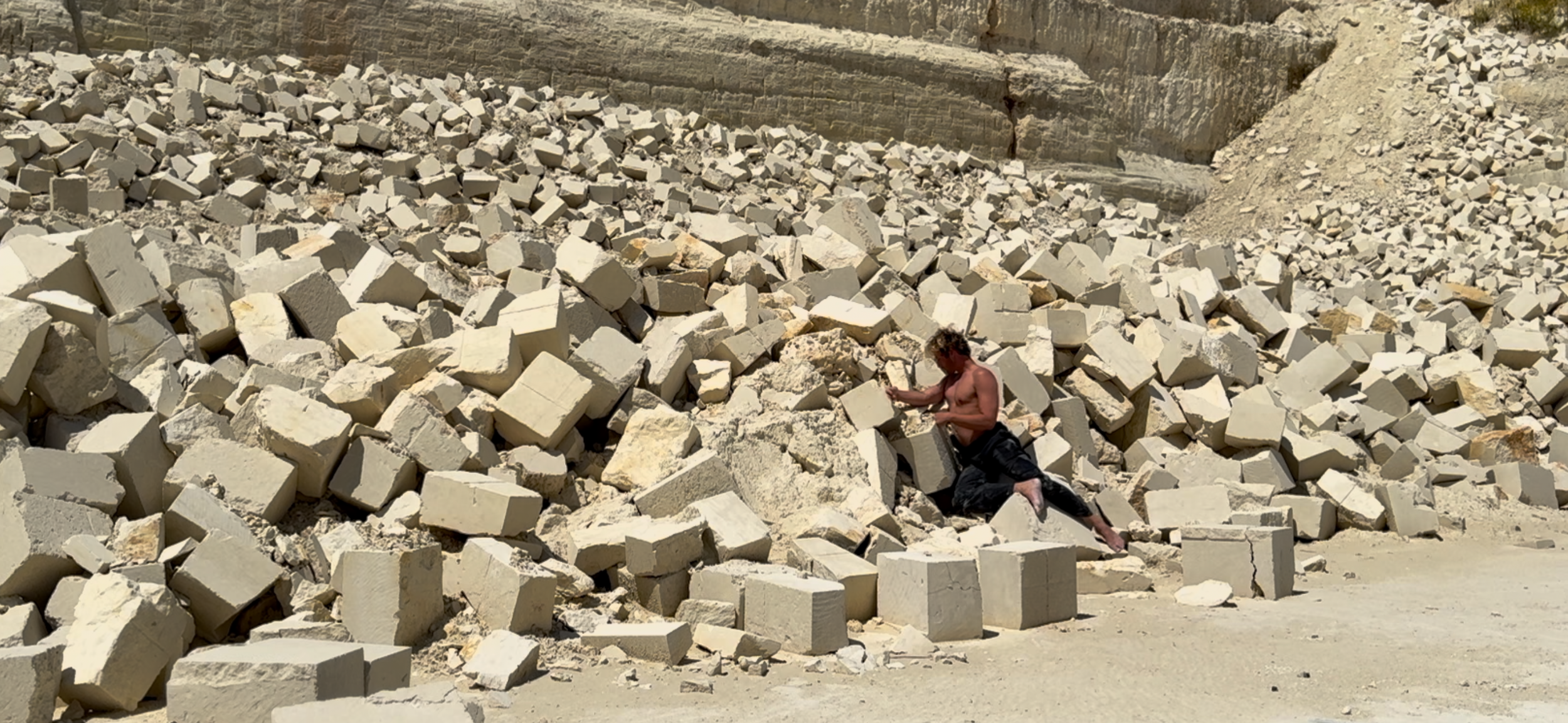
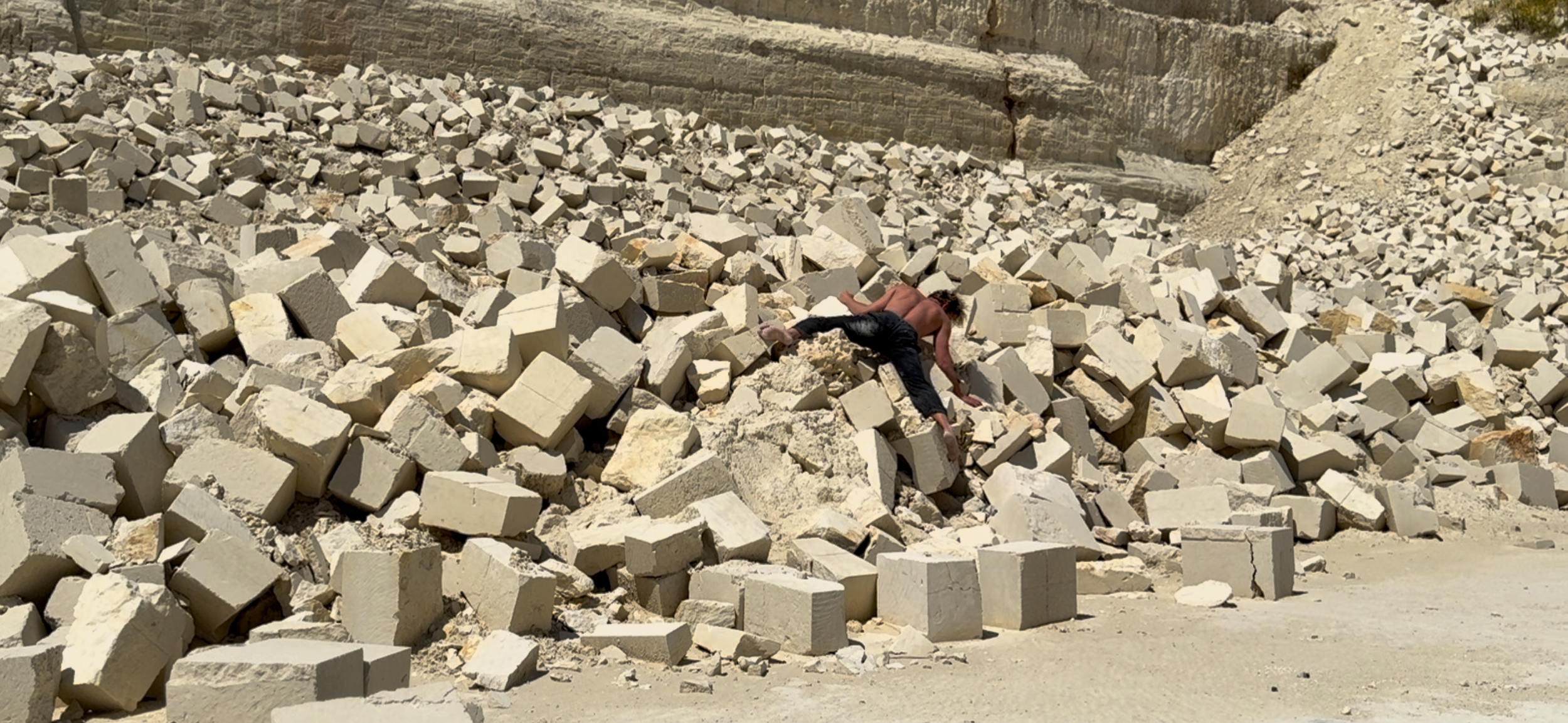
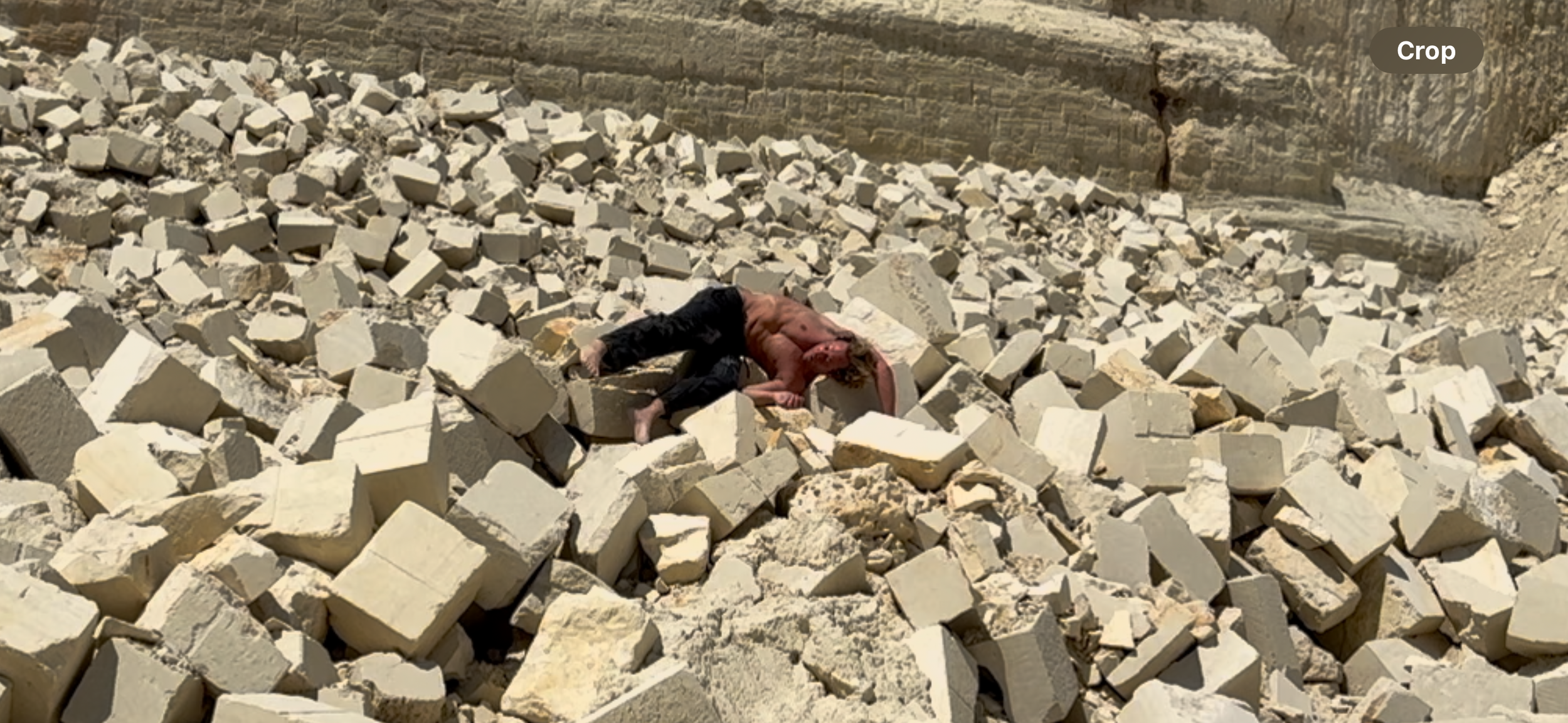
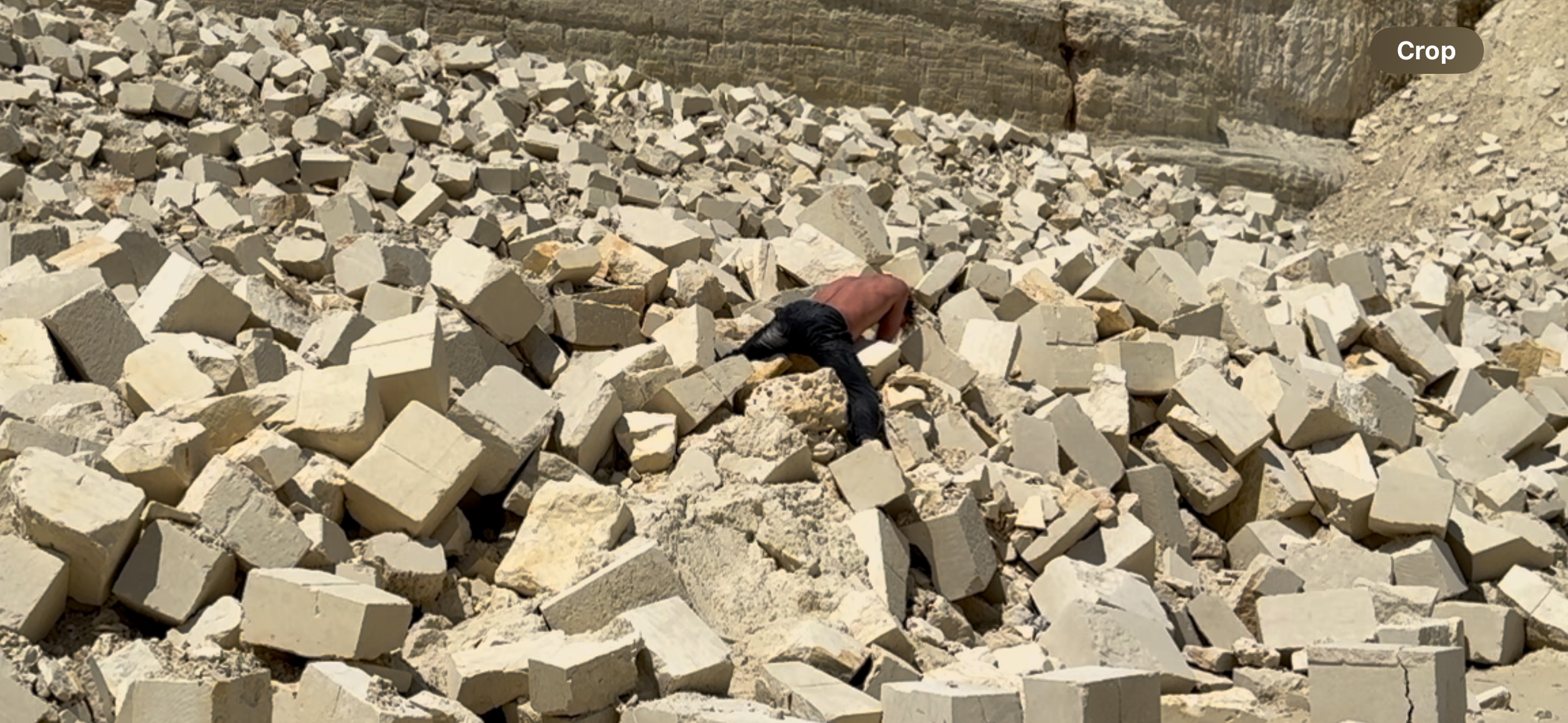
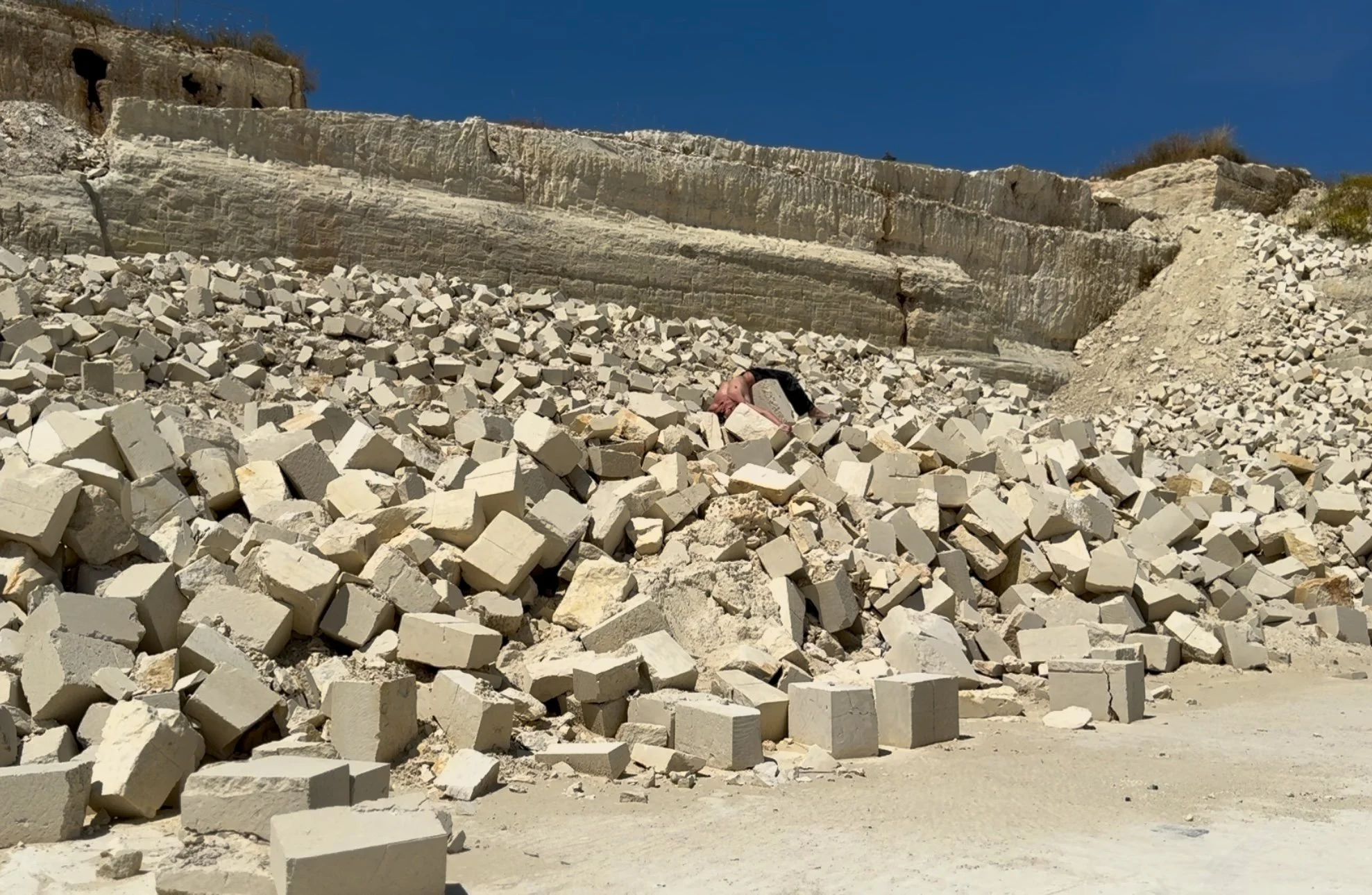
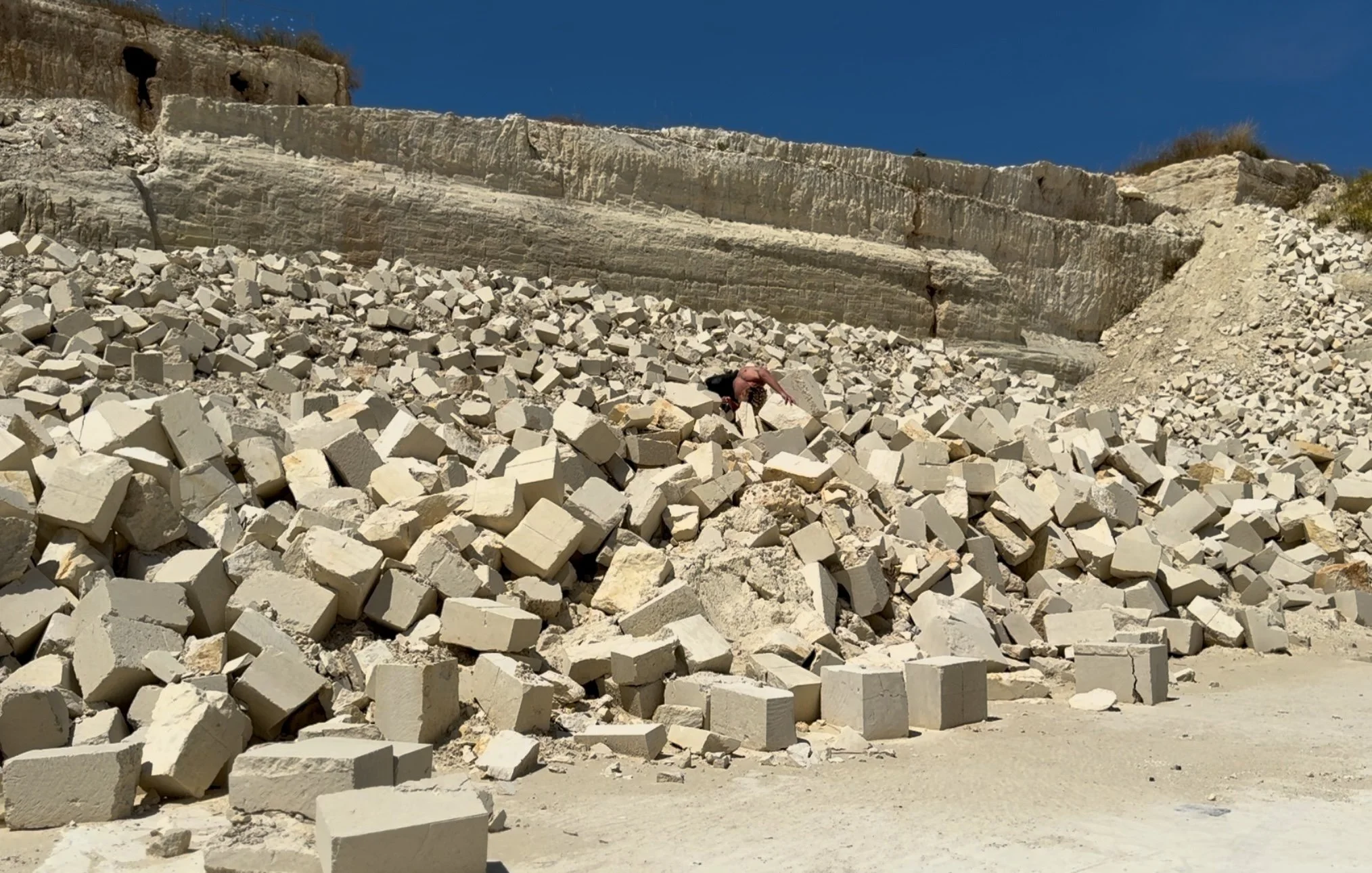
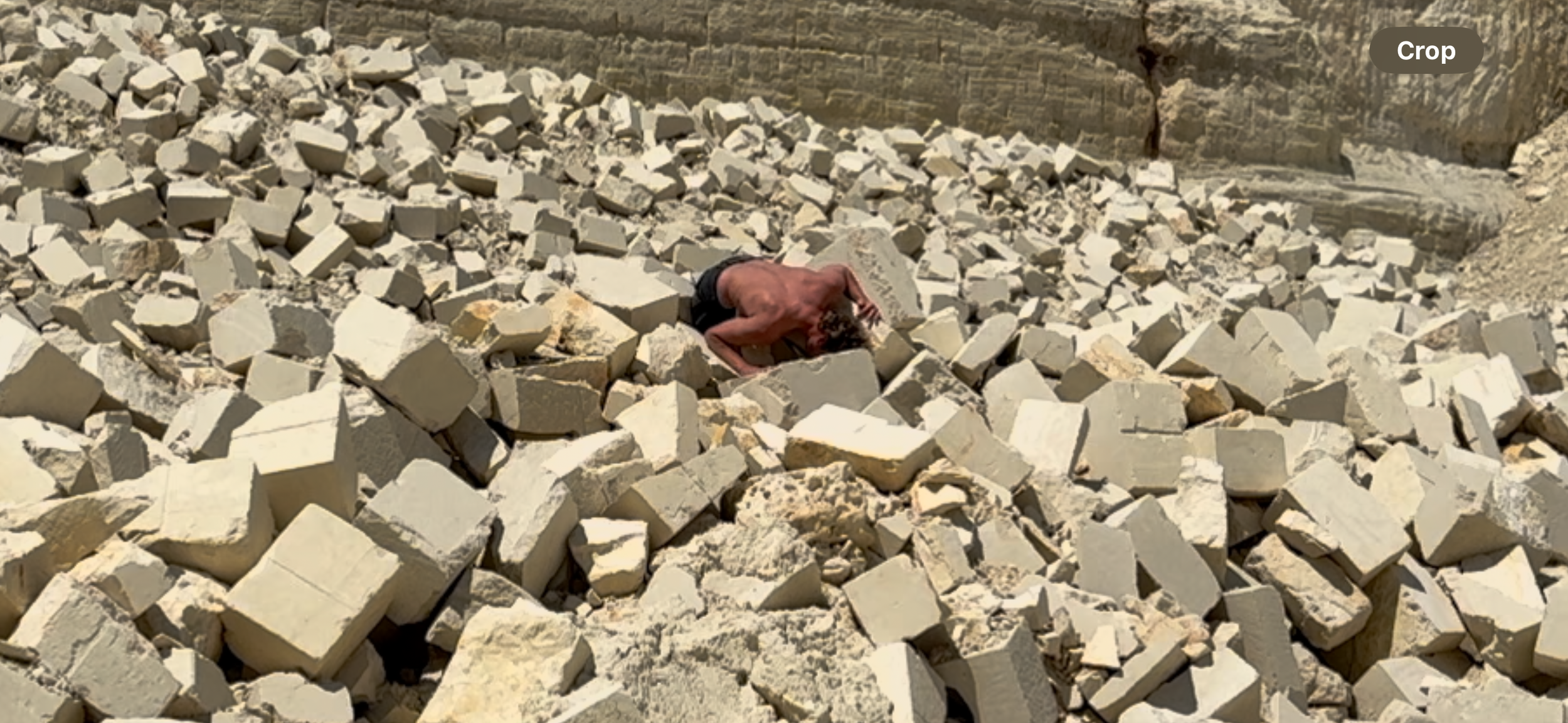
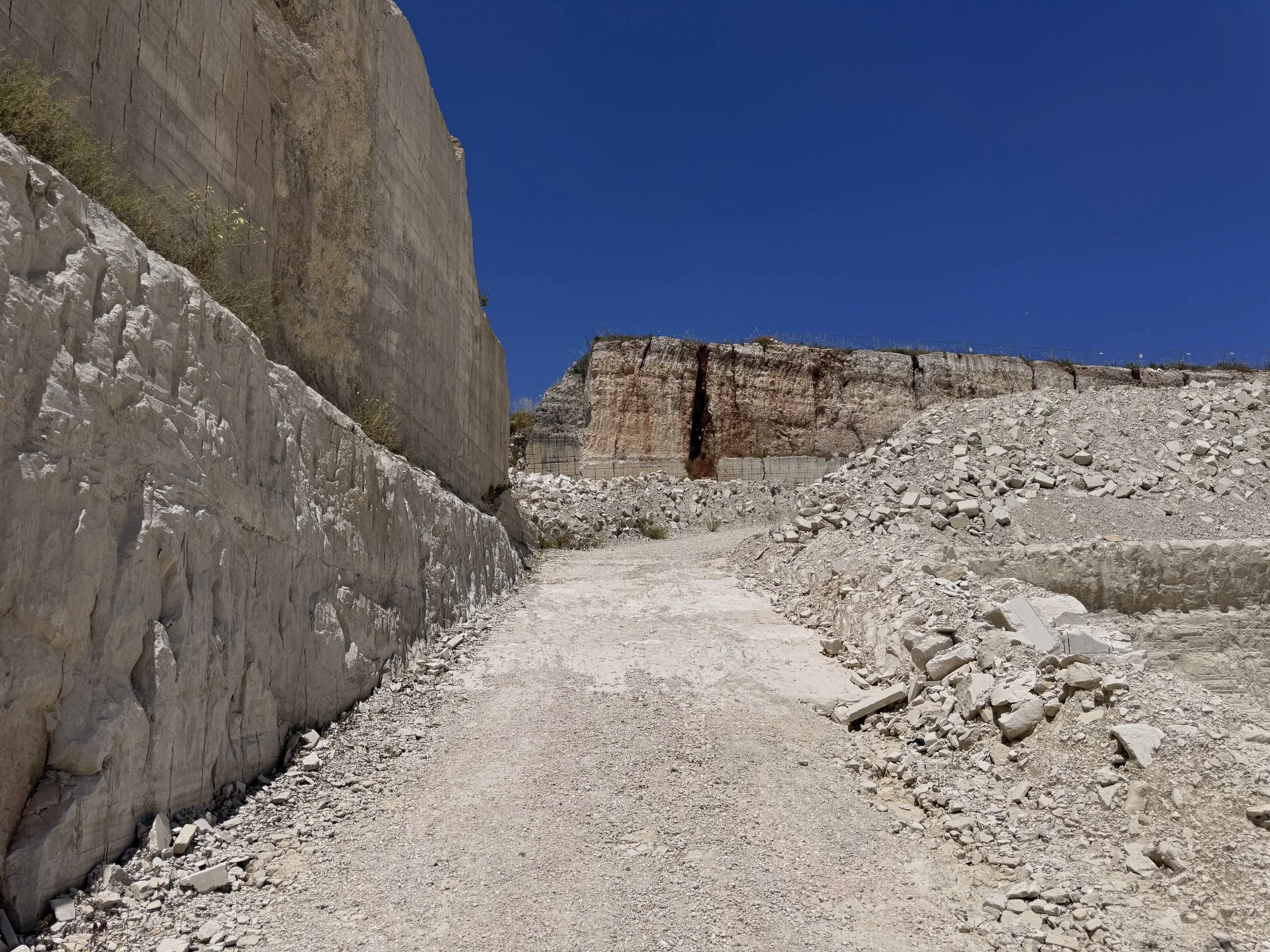
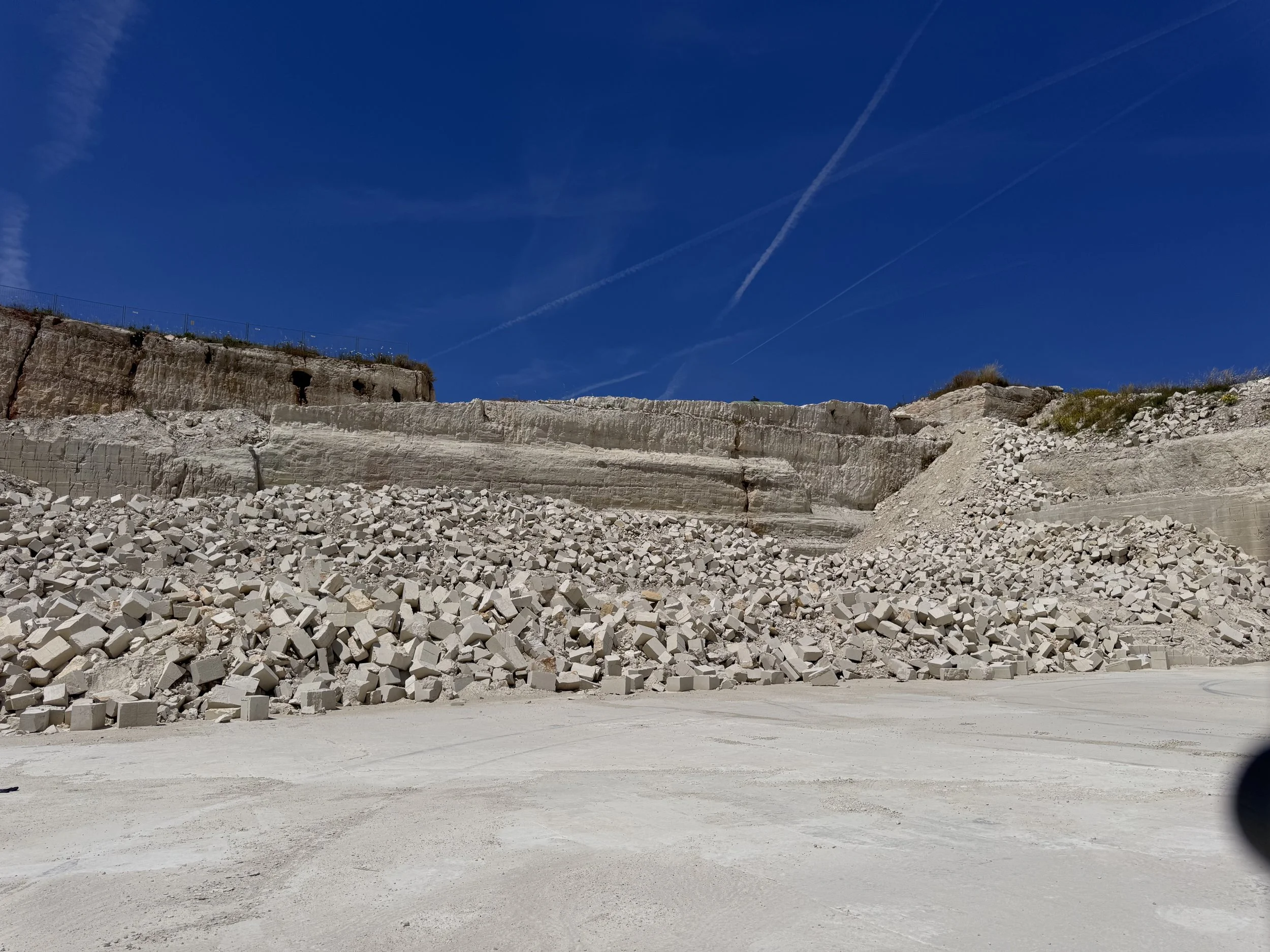
In response to this investigation I have been performing a prayer task above and in the local stone quarry - developing movement in solitude in the direct heat and stillness of Puglia. The material is being archived and developed into a contemporary movement film.
My practice prior this is rooted in psychophysical training, clown, the ecstatic, the durational and film making - has always demanded a threshold state before work could start.
Melpignano has proposed something different: that the threshold or frame itself creates the conditions, and that the body responds to the frame rather than the other way around. Melpignano has sent me material I couldn’t have planned for - a child’s story about a saint’s wounded hands that looked like lasagna, a fox under an oak tree, falling asleep in a church pew mid-prayer. I didn’t manufacture any of it.
Beato Angelico
Lecce, historic centre — 4 hours
First day. Half the group blindfolded, half taking care without guiding. Lecce as a territory never seen before, inhabited sensorially through movement and contact. The constellation as a form of presence — never losing touch with at least one other person. Care as a membrane between the experience and the outside world.
X-to-One
Private houses — one-to-one performances
Election period: everyone stays inside, in the houses. Small groups per house, one audience member at a time. The starting point: what happens when a normally inhabited space is radically reorganised — moving things that have been still for a long time, emptying, starting from zero. Not the pursuit of intimacy, but intimacy as a side-effect: one performer, one person, ten minutes in a space. What does the space already suggest? What does it invite before anyone decides to do anything? The dramaturgy of spatial agency as compositional starting point. In the evening, house-by-house return
Creative response
Spontaneous collective response to previous responses.
Rooftop Festival
Rooftop of the core group house
A step back from the intensity of the previous day, without documentation. On the rooftop of the core group's house, a microfestival: each person finds a non-human companion — an object, a material intuitively chosen within the Melpignano context — and works in listening to this partner to create a small performative act in dialogue. The theme of the day: eros and composition. What does it mean to put oneself in a receptive mode, to stay patiently with a physical practice, to let the object guide as much as the body. Strategically, the day prepares the individual practice days that follow — introducing the idea that performative work need not always tend towards something. No precise order, no expectation: the rooftop as a space of integration, where every step is already necessary in itself.
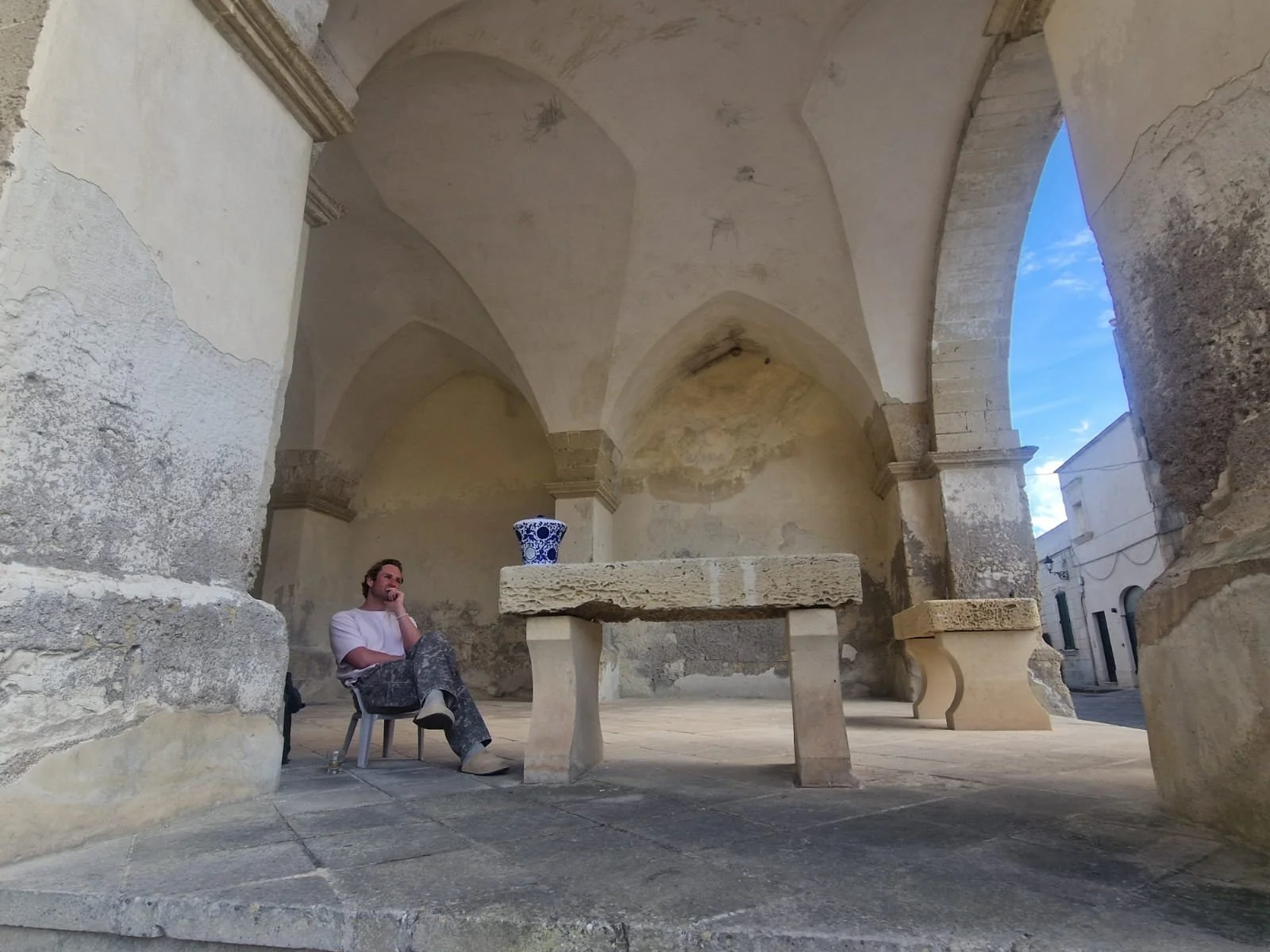
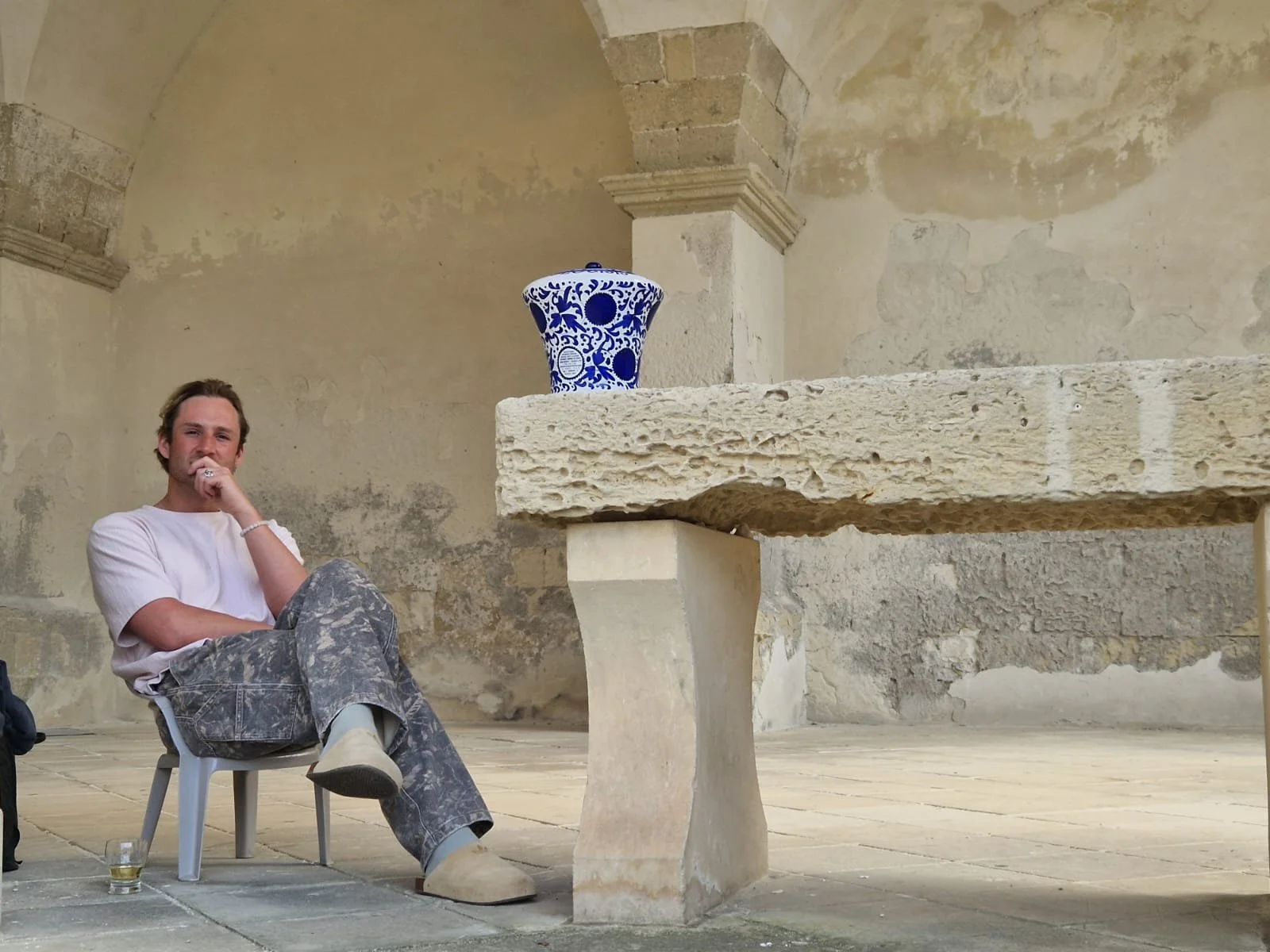
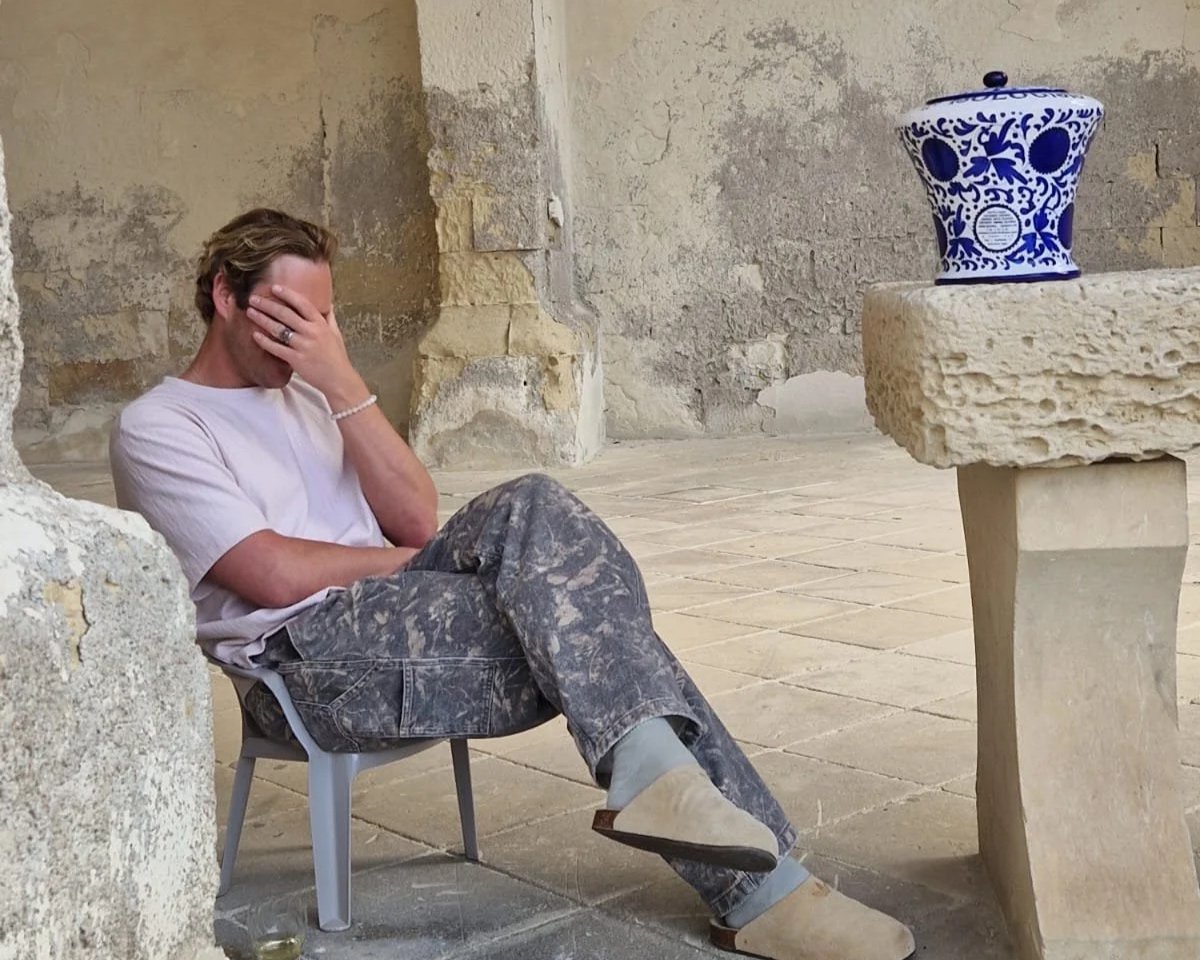
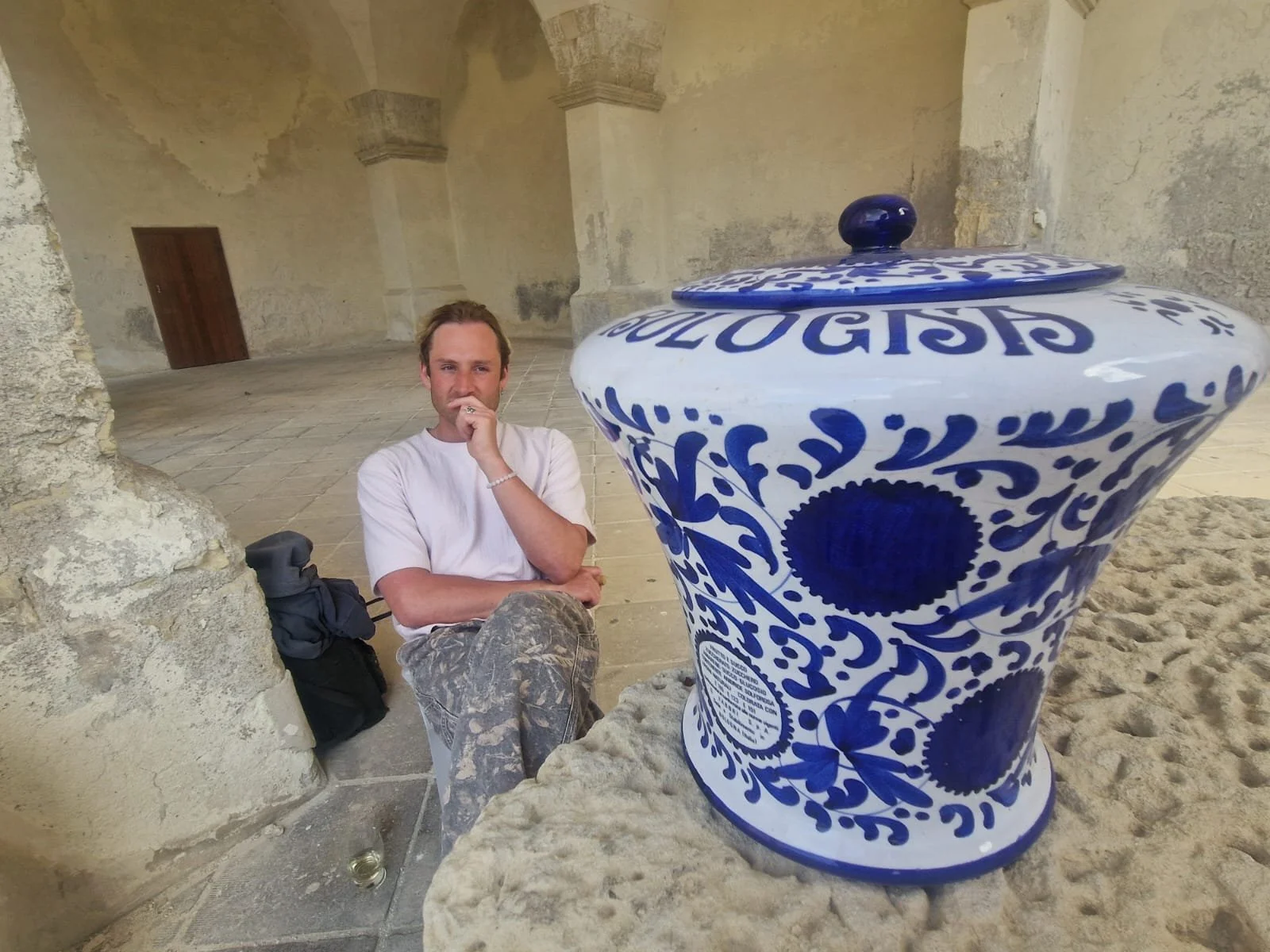
Angel task
Melpignano, Piazza San Giorgio — pilgrimage + evening editing
A blindfolded angel with large realistic wings at the centre of the piazza. Eight performers taken to eight different peripheries of the village, each with a documentarist. The task: you know there is an angel, and you know it is a colleague — what must you do to yourself so that, when you arrive, you are in an interior territory where that angel can actually land? The emphasis not on the climactic encounter, but on the pilgrimage: duration, the small minor moments that create the fabric on which the encounter becomes possible. In the evening, each performer-documentarist pair works on editing their own material. Editing as a further practice - seeing what could not be seen during the performance.
Performer: Maria Papachristodoulou
Cinematography & Edit: Edward
Quarry film
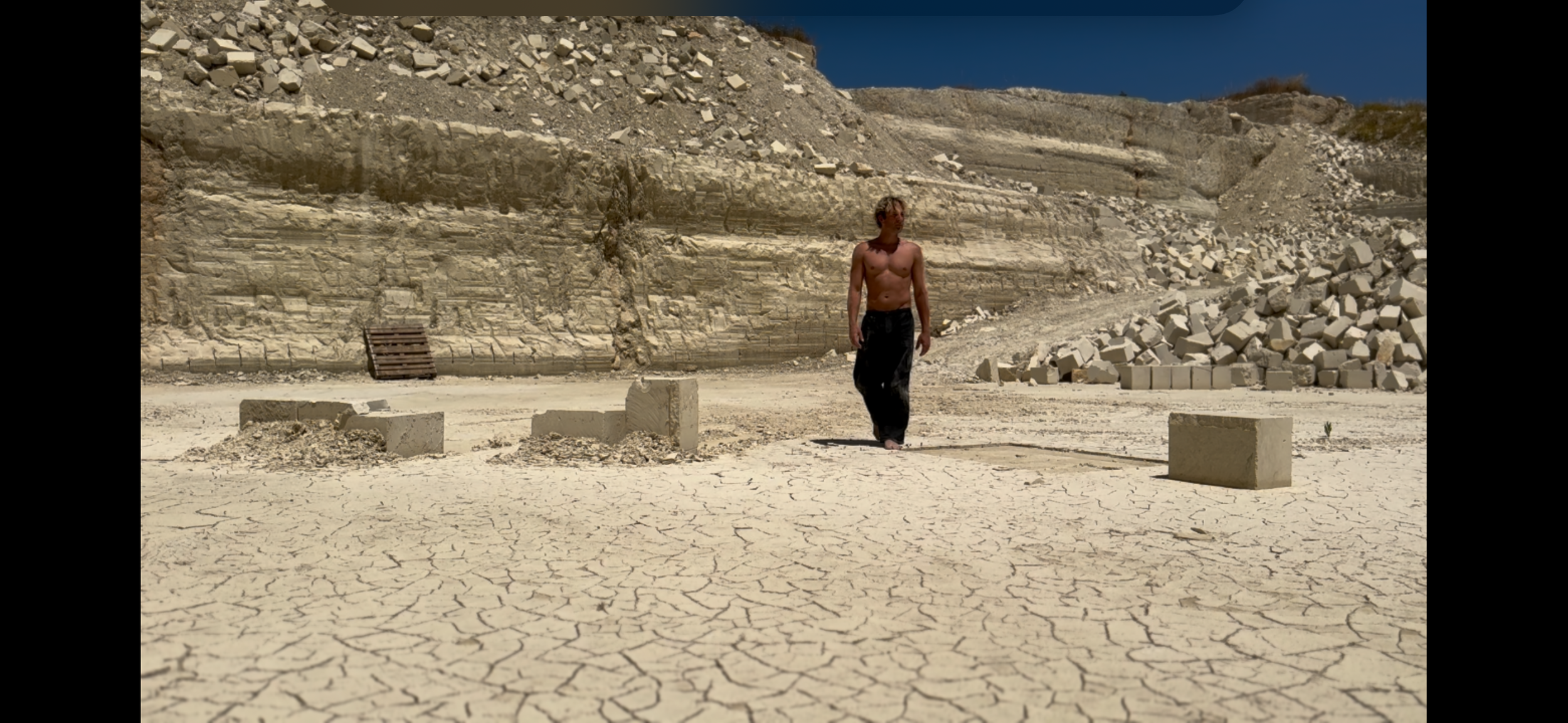
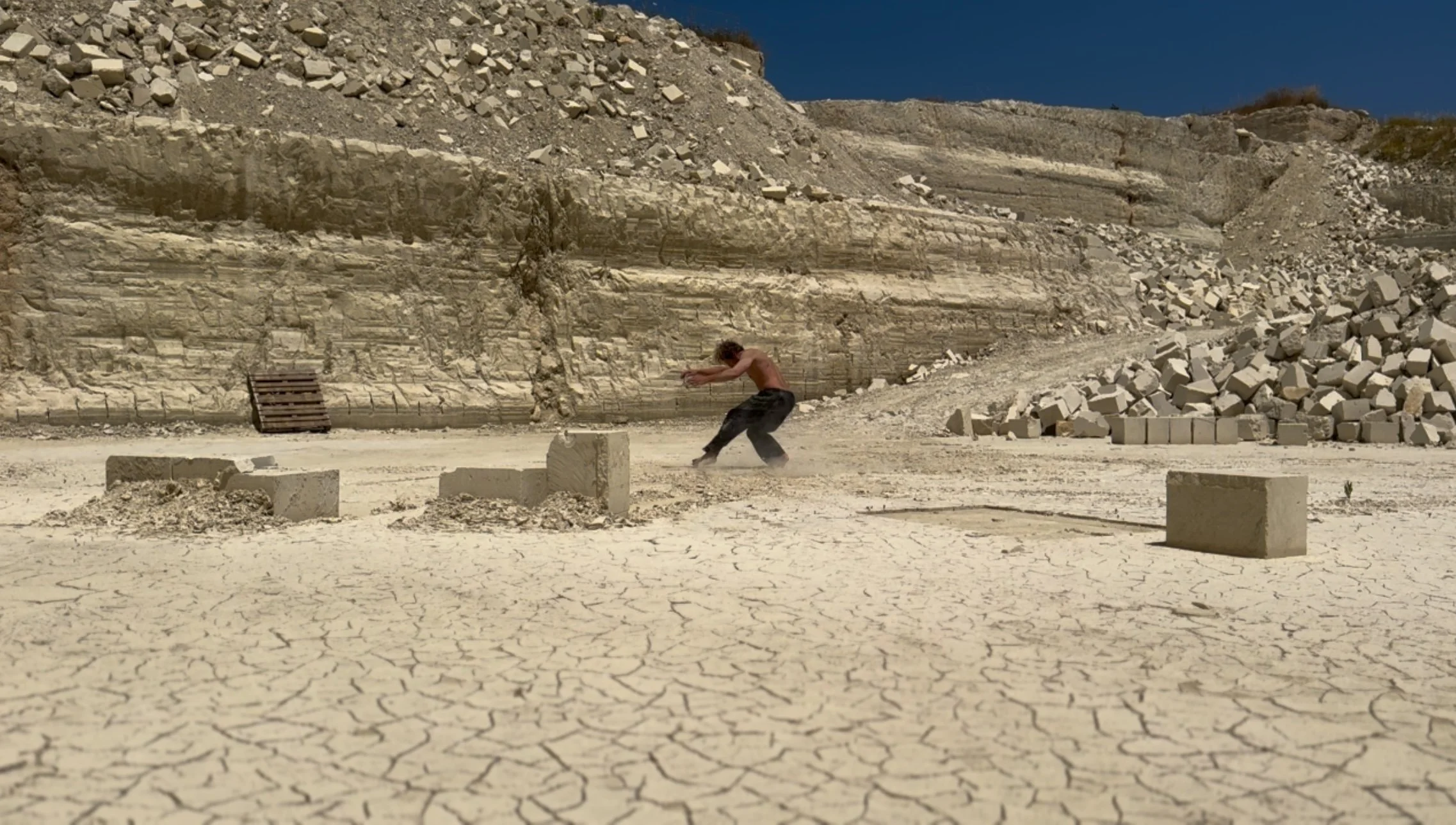
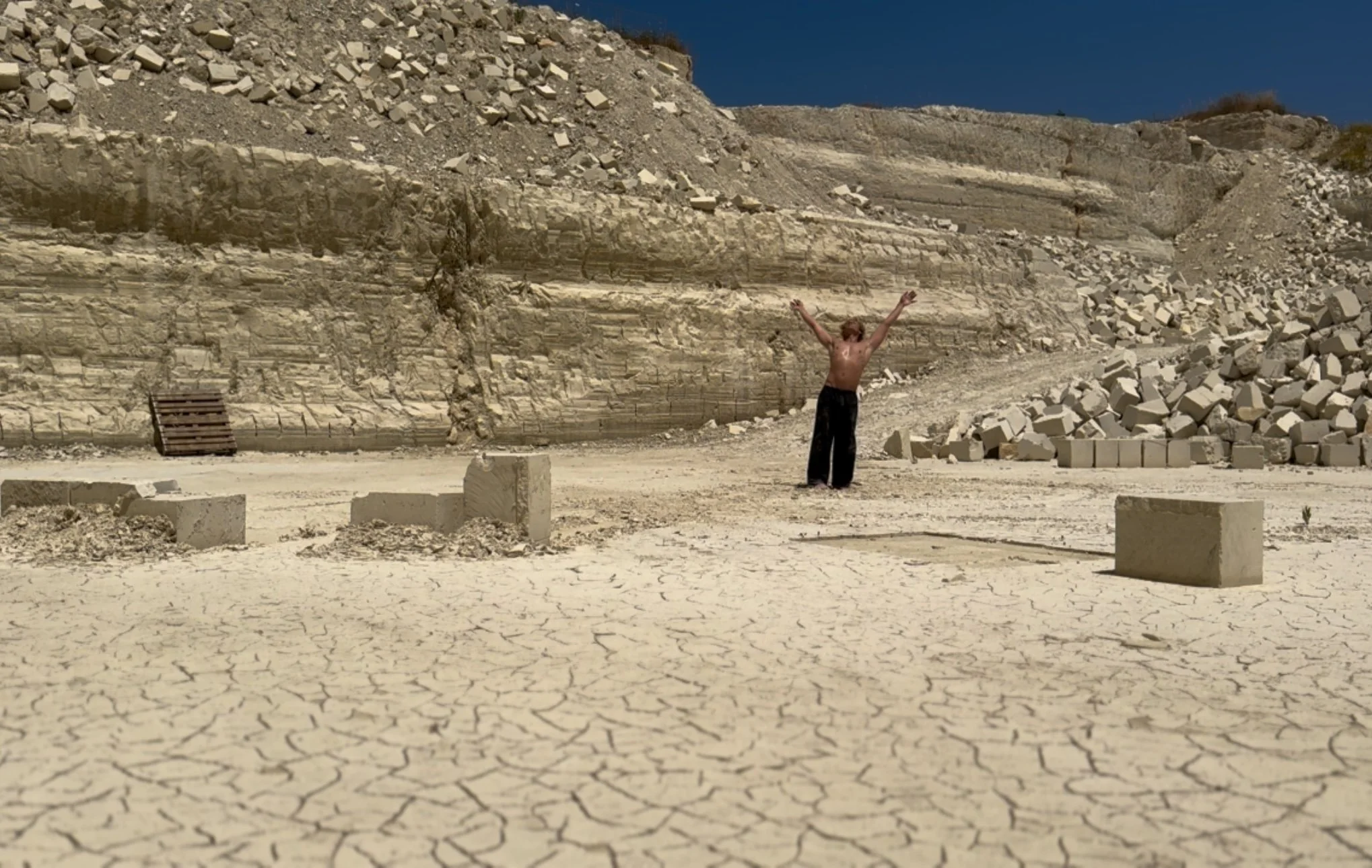
Self-Portrait task
Melpignano — 4 hours + collective screening
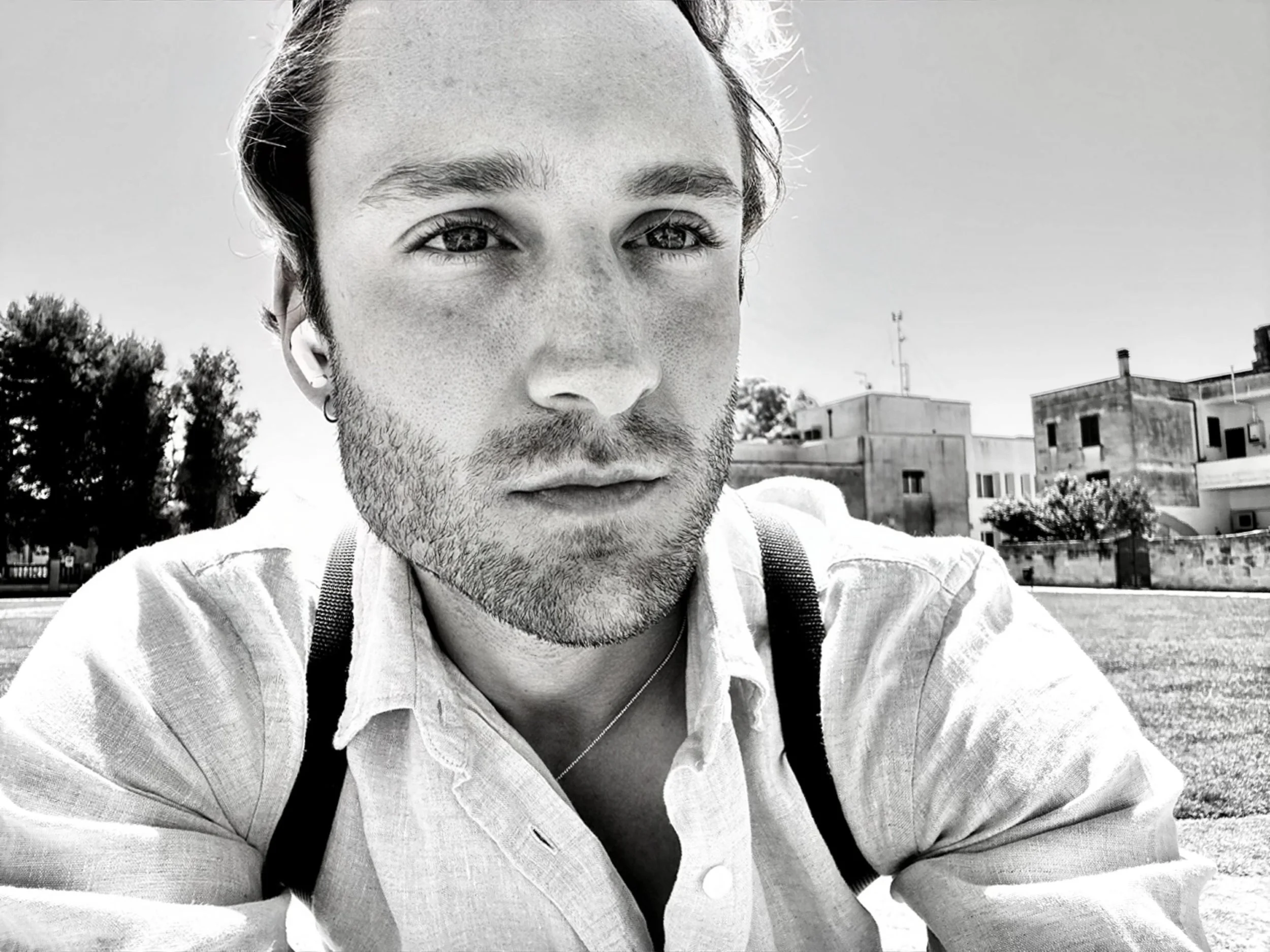
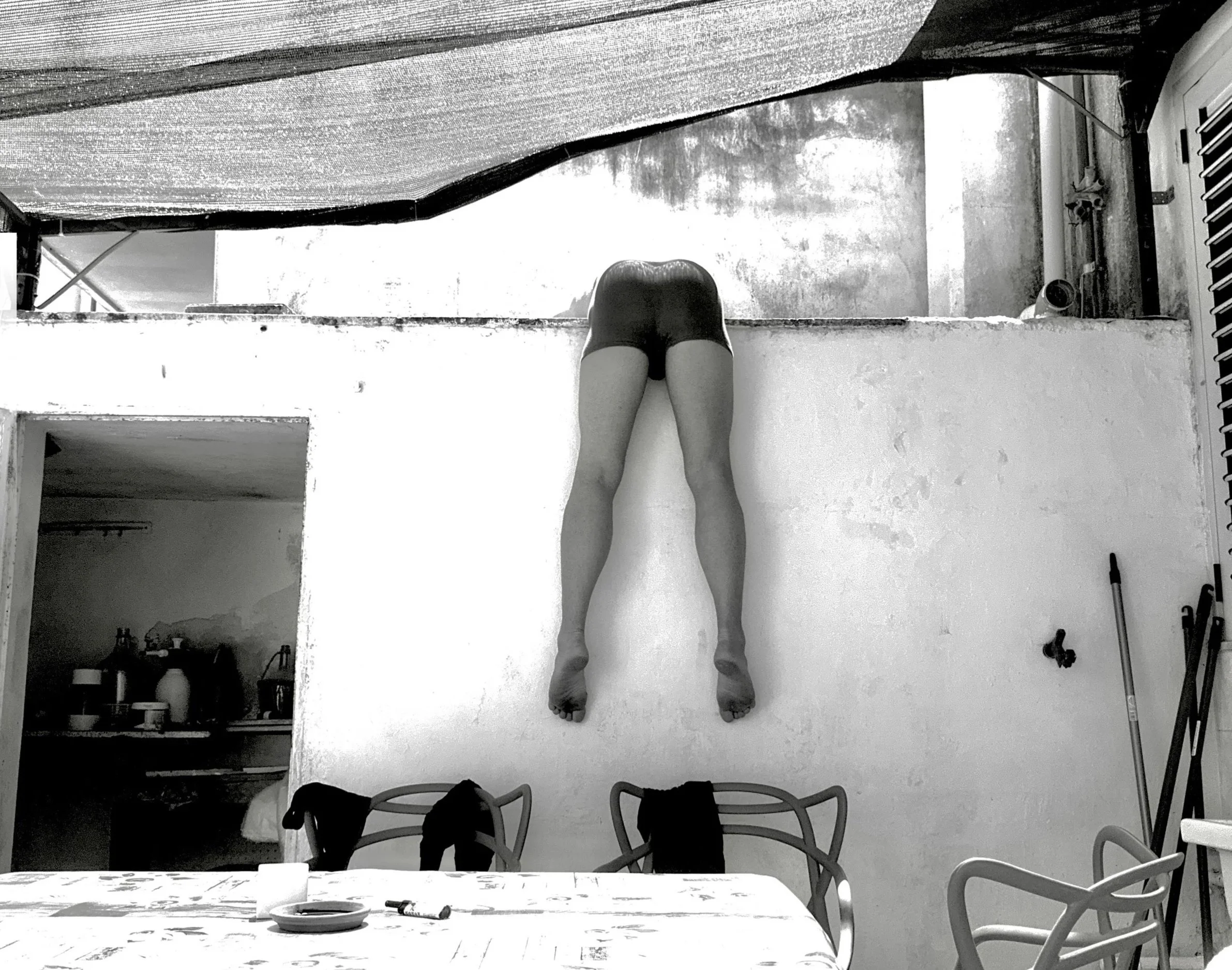
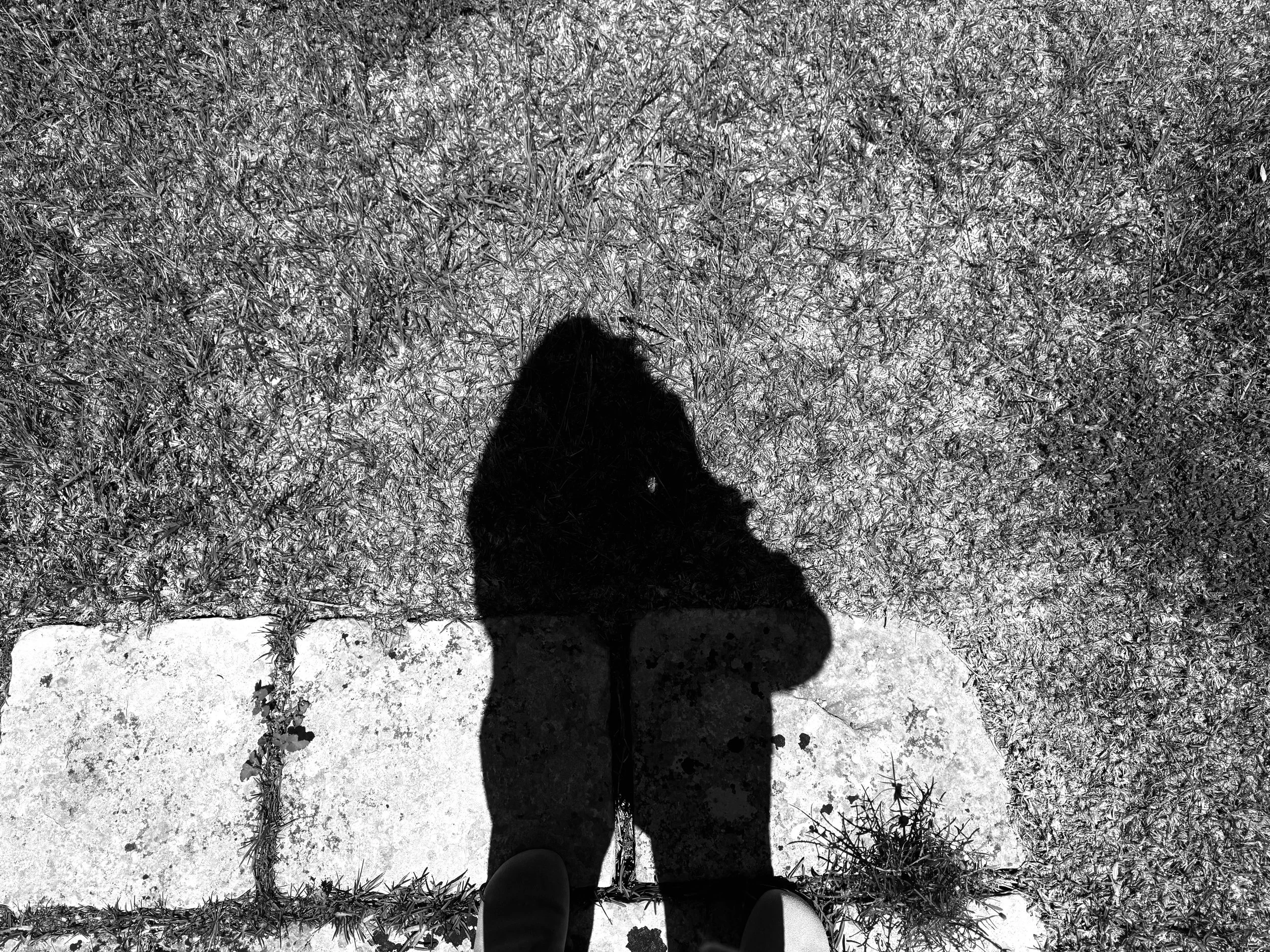
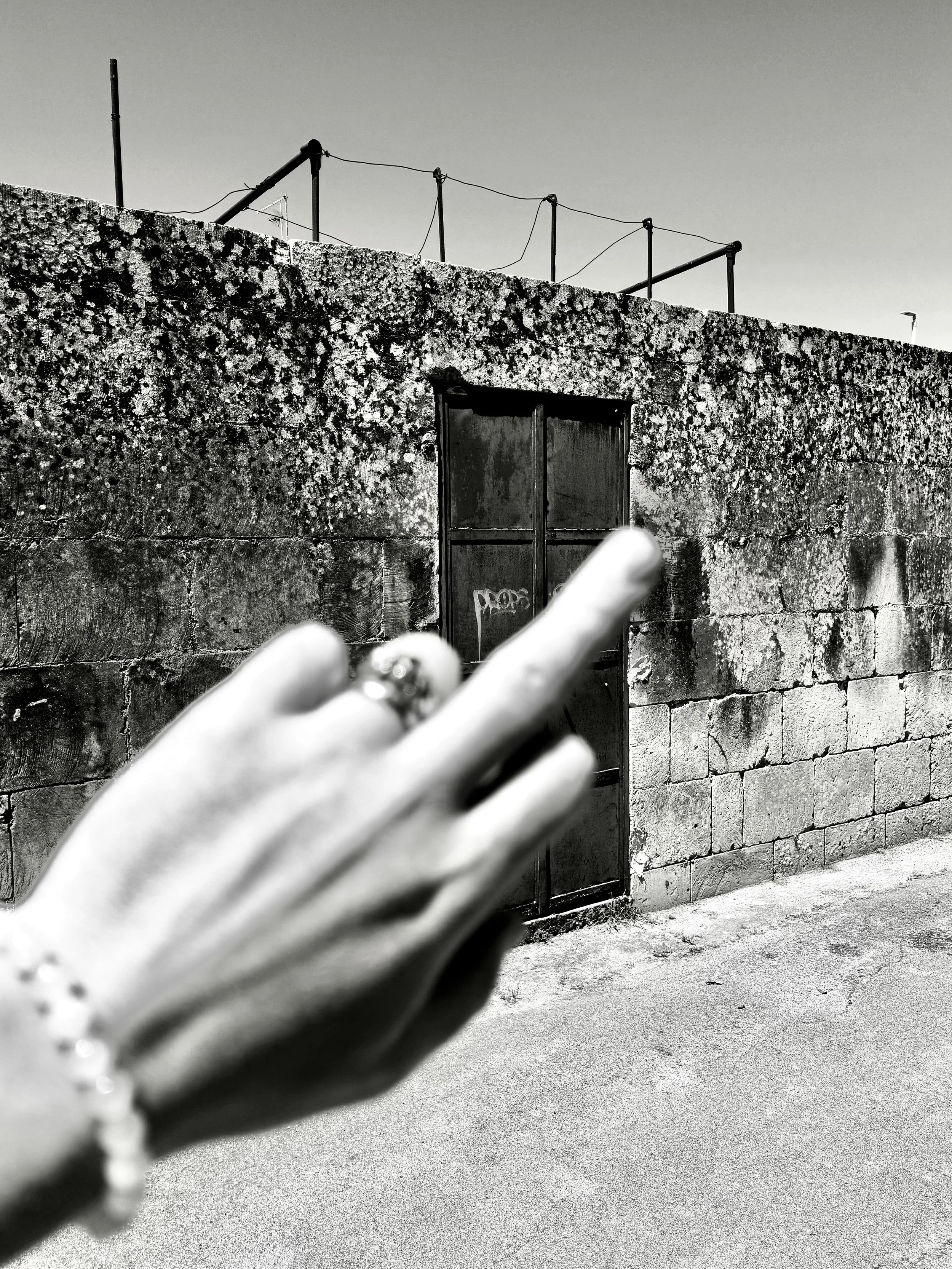
From the group to the individual. Each person with a camera, a defined number of shots, and Melpignano as field: the bedroom, the cemetery, an abandoned house, the street. Not portraying something of oneself, but letting the reaction with the tool and place produce something unexpected. Composition as discovery, not control. In the evening, a collective screening in sequence. Feedback as a space of sensation — not technical commentary, but a horizontal listening to what the work continues to generate